
Gray Hair with Lowlights Over 50: The Ultimate Style Guide
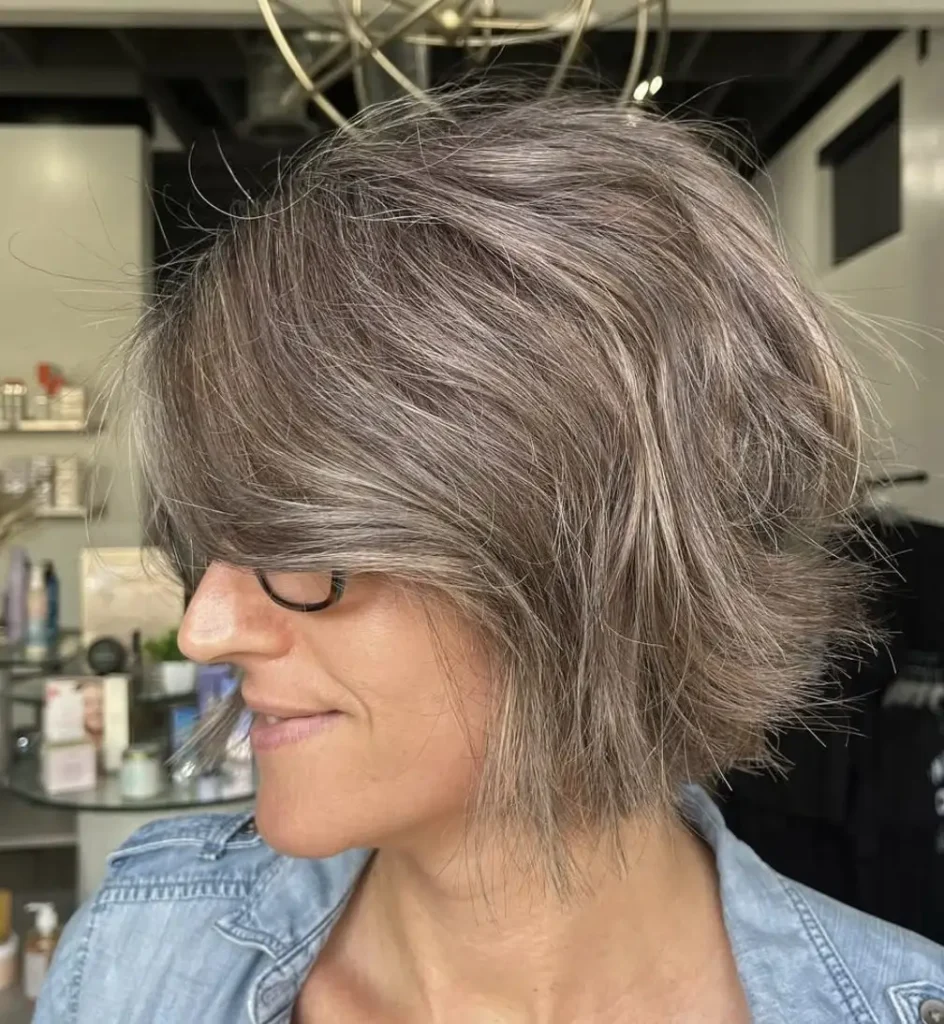
If there’s one color technique I recommend more than any other to the women who walk into my chair after 50, it’s lowlights on gray hair. After more than two decades behind the chair, I’ve seen firsthand how a few well-placed, slightly darker strands can completely transform silver and gray hair — adding richness, movement, and the kind of natural-looking depth that takes years off without screaming “I’ve been to the salon.” If you’ve been wondering whether gray hair with lowlights over 50 is right for you, I’m here to walk you through everything: the best shades, the smartest techniques, how to care for your color, and which styles suit different face shapes and life stages.
📌 Love what you see? Save this natural gray hair over 50 collection to come back to it anytime — there’s so much inspiration here you’ll want to revisit it.
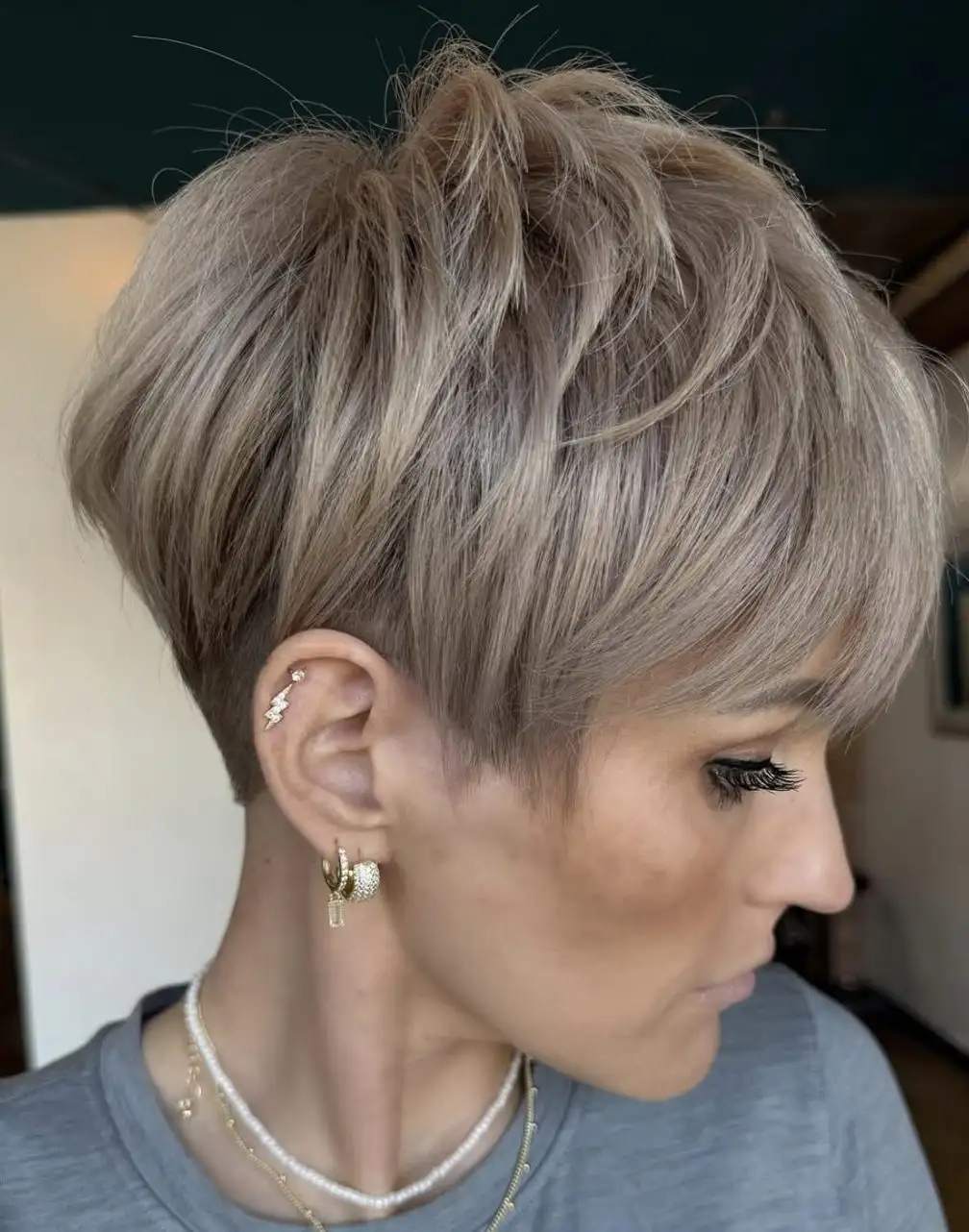
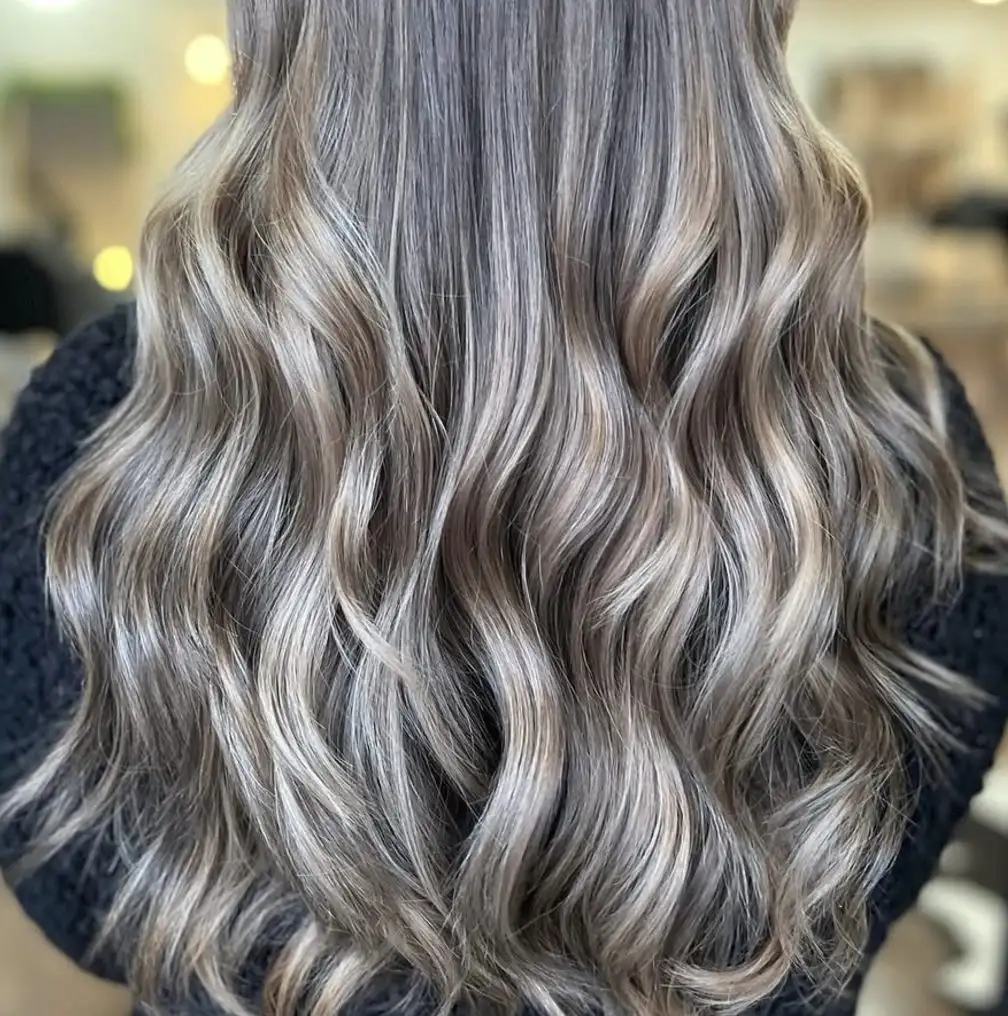
Why Lowlights Work So Well on Gray Hair
Let me explain the science first, because understanding why this technique is so effective will help you make smarter decisions at the salon. Gray and white hair is essentially transparent — it has lost its melanin pigment, which means it tends to reflect light flatly, without the nuance and variation you see in naturally pigmented hair. The result can sometimes look one-dimensional or, in certain lighting, a little harsh against the skin.
Lowlights change that completely. By weaving in strands that are one to three shades darker than your dominant gray, your colorist creates the illusion of shadow and depth — exactly what naturally pigmented hair has built in. The contrast makes the lighter strands appear brighter and more luminous, while the darker pieces anchor the look and prevent that flat, washed-out effect. The overall result is hair that looks multi-tonal, healthy, and incredibly natural.
And here’s the part I find most exciting: lowlights don’t fight your gray — they enhance it. You’re not covering anything up or pretending your hair is something it isn’t. You’re simply giving your natural silver more dimension and personality. For women over 50 who have embraced or are embracing gray, this is a game-changer.
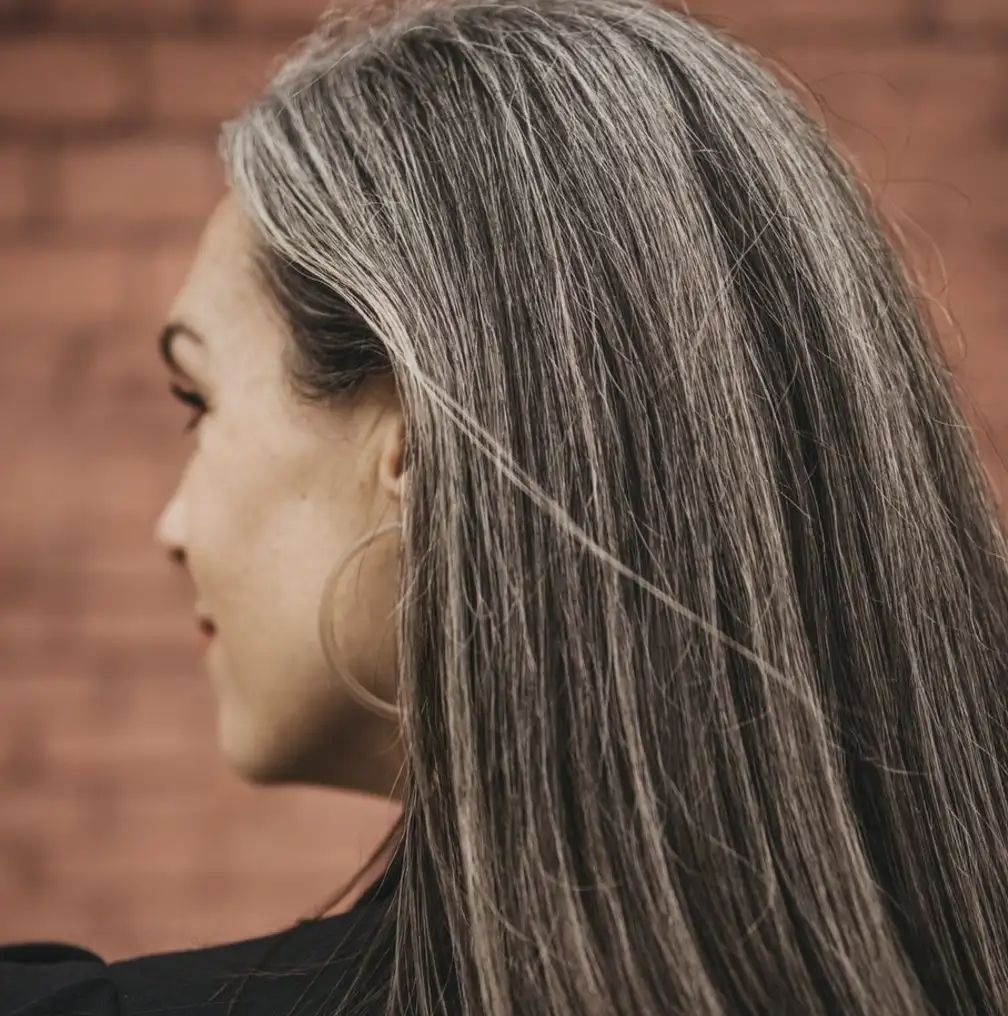
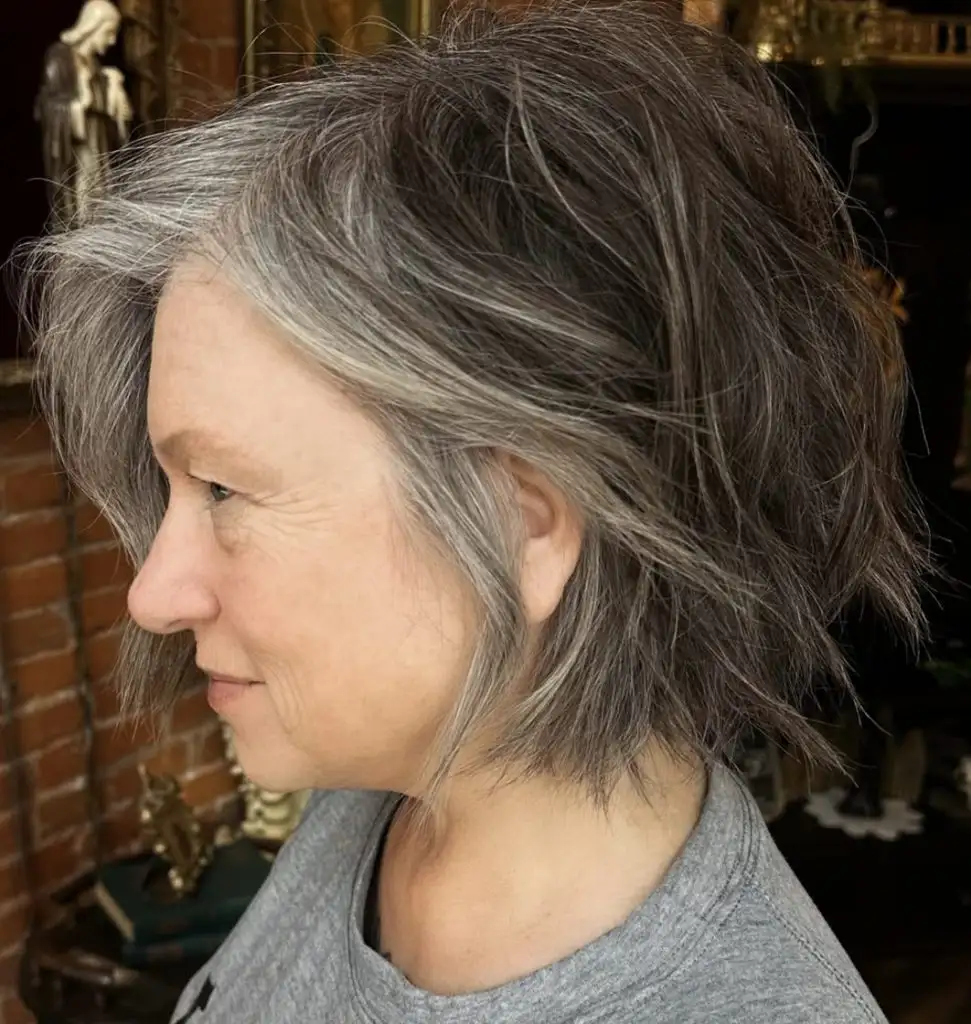
The Best Lowlight Shades for Gray Hair Over 50
One of the most common questions I get is: “What color should my lowlights be?” The answer depends on a few things — your skin tone, the warmth or coolness of your natural gray, and the overall vibe you’re going for. Here are the shades I reach for most often in the salon.
Ash Brown — This is my top recommendation for most women with cool-toned gray hair. Ash brown has no yellow or red undertones, so it blends seamlessly with silver without introducing unwanted warmth. The result looks effortlessly sophisticated and very modern.
Soft Espresso — For women who want more visible contrast, a rich espresso or dark chocolate lowlight creates a beautiful, dramatic effect. This works particularly well if your gray is lighter or predominantly white, because the depth is striking but not harsh. I love this on women with warm or olive skin tones.
Warm Taupe — If your gray has warm, golden undertones (sometimes called “dirty gray” or “greige”), a warm taupe lowlight is your best friend. It echoes those natural warm notes without clashing with the cooler strands, creating a beautifully blended, cohesive look.
Silver-Black — This one is for the bold ladies! Introducing near-black lowlights among a base of bright silver or white hair creates a stunning, high-contrast look that is absolutely striking. It photographs beautifully and turns heads in the best possible way. If you love salt and pepper hair over 50, think of this as its most elevated, intentional version.
Chestnut and Auburn — These warm, reddish-brown tones are wonderful for women with naturally warm skin. They introduce a subtle glow that reflects light beautifully and prevents the cool, sometimes steely quality that pure gray can have. Used sparingly, auburn lowlights add life and vibrancy without overwhelming the gray.
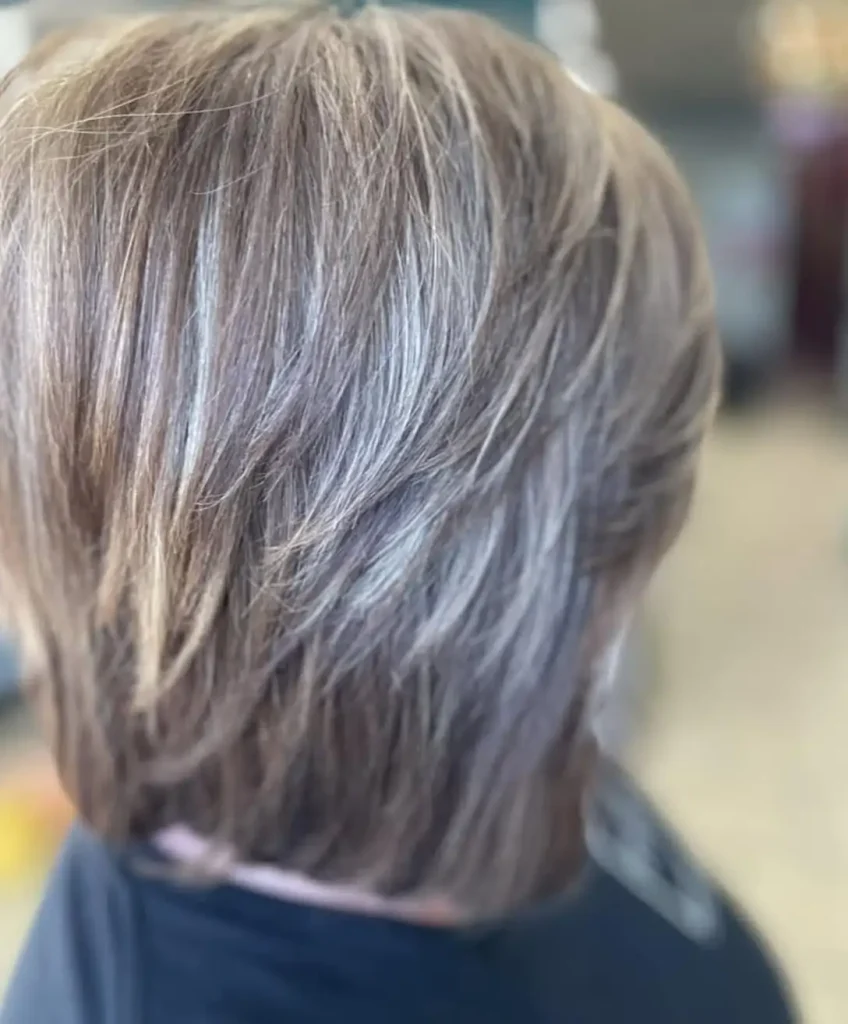
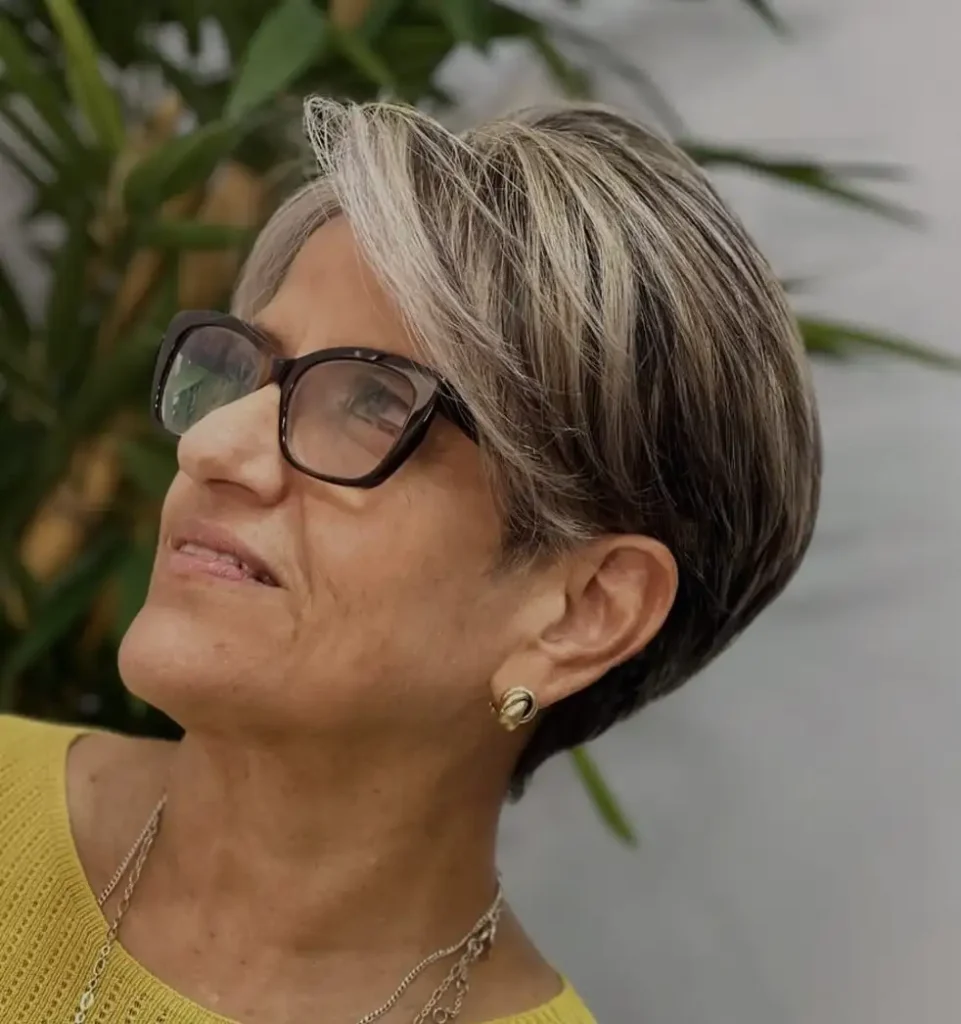
Lowlight Techniques: What to Ask Your Colorist
Not all lowlight applications are created equal, and knowing the difference between techniques will help you communicate exactly what you want in the salon. I’ve used all of these over the years and each has its own strengths.
Foiling is the most precise method. Your colorist separates small sections of hair and wraps them in foil with the lowlight color applied inside. This gives maximum control over placement and intensity, and it’s ideal when you want defined, uniform lowlights throughout the hair. The results are consistent and long-lasting.
Balayage-style lowlights (also called “reverse balayage”) are painted freehand onto sections of hair without foils. The edges are softer and blend more naturally, giving a less structured, more organic look. I often use this technique when a client wants her lowlights to look as though they grew in naturally — perfect for low-maintenance women who don’t want to return to the salon every six weeks.
Babylights are ultra-fine, delicate lowlight pieces that create incredibly subtle dimension. Think of them as the opposite of chunky highlights — these are whisper-thin strands that you almost have to look for. They’re beautiful for women who want just a touch of depth without anything obvious.
Shadow roots with lowlights is a technique I love for women transitioning from dyed hair to natural gray, or for those who want a more grounded, rooted look. A slightly deeper shade is applied at the root area and blended outward, while lowlights are added throughout the lengths. It creates gorgeous, intentional contrast that feels very current.
When speaking to your colorist, don’t be afraid to bring photos. I always tell my clients: pictures speak louder than words. Show two or three images of the depth and placement you’re after, and a good colorist will be able to translate that vision to your specific hair.
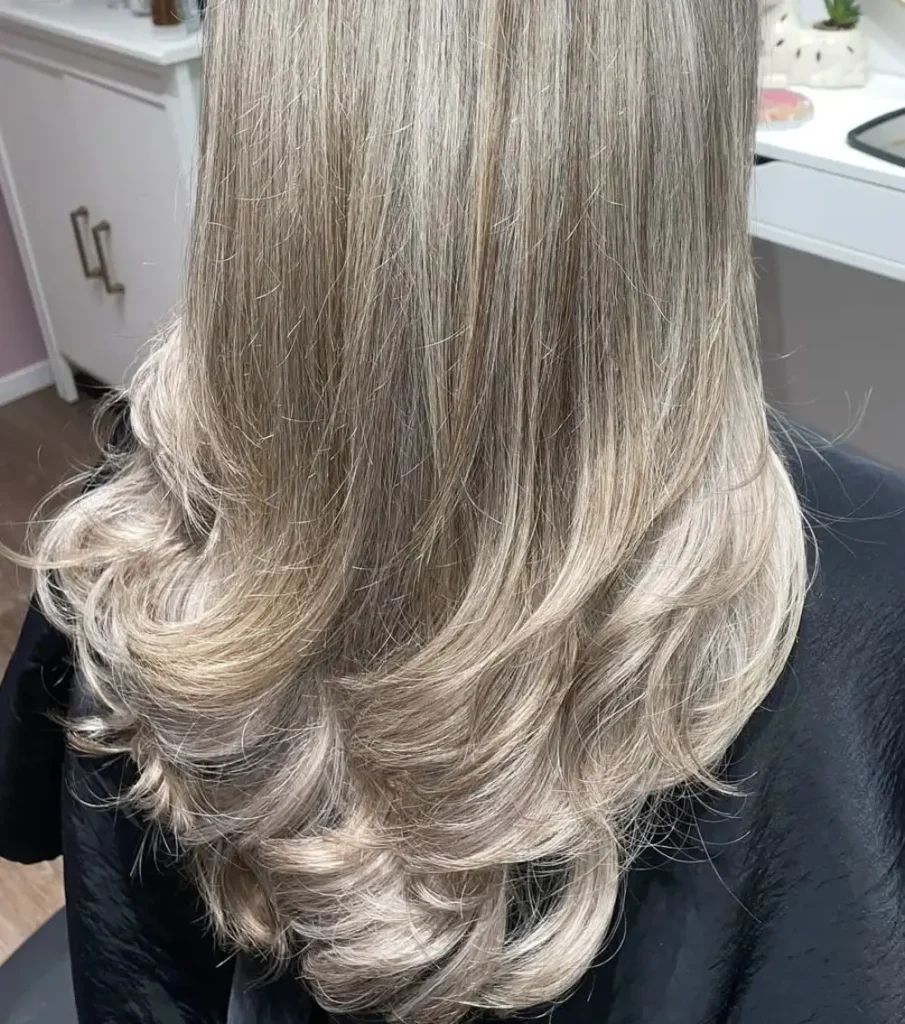
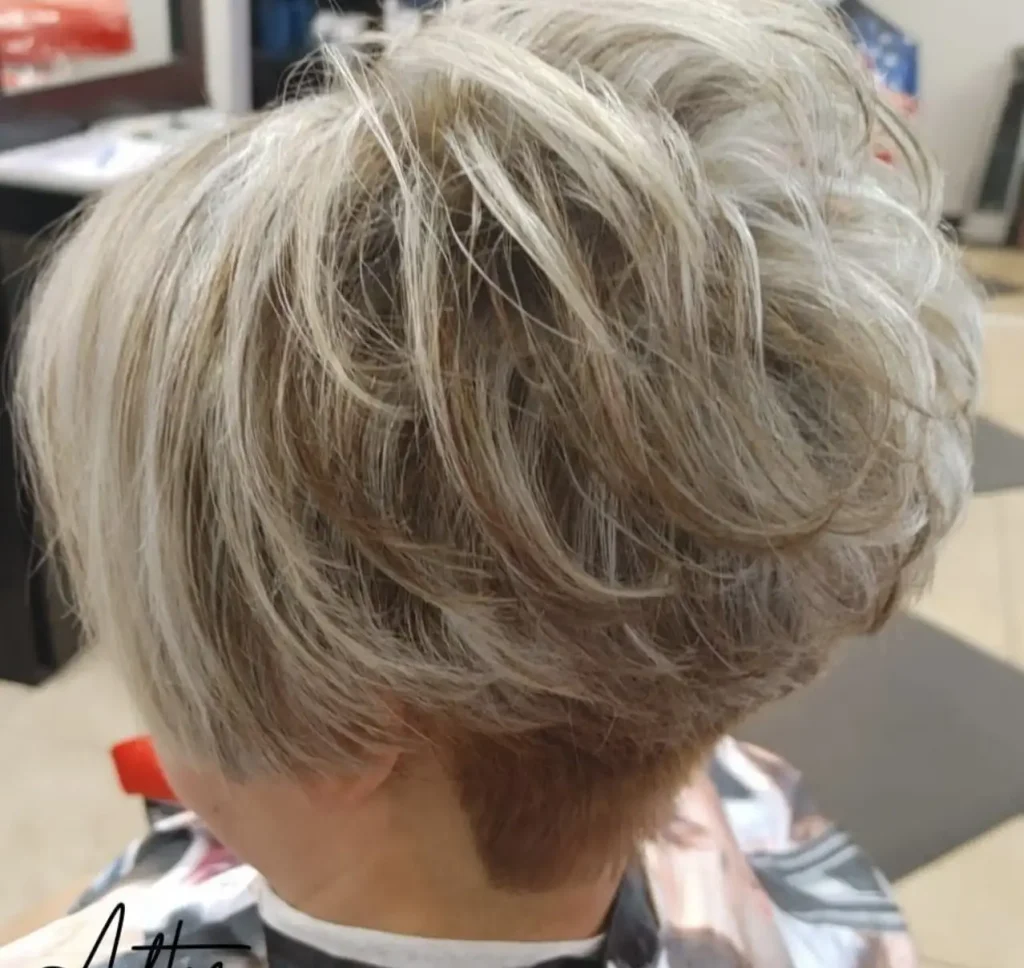
Gray Hair with Lowlights by Age: 40s, 50s, and 60s
In Your 40s: Embracing Early Gray with Confidence
Many women in their 40s are just beginning to see significant gray appear — or are actively transitioning away from years of full color. This is a wonderful time to start experimenting with lowlights, because they serve double duty: they create beautiful depth on your gray while also softening the demarcation line between dyed and natural hair during the grow-out process.
In your 40s, your hair is likely still fairly dense, which means you can carry richer, more contrasting lowlights without the look feeling heavy. I often recommend a mix of lowlights and fine highlights together — a technique called “dimension coloring” — to create a multi-tonal effect that looks youthful and dynamic. Think soft chestnuts, warm brunettes, and smoky ash tones woven together with your emerging silver. Beautiful, and surprisingly low-maintenance once established.
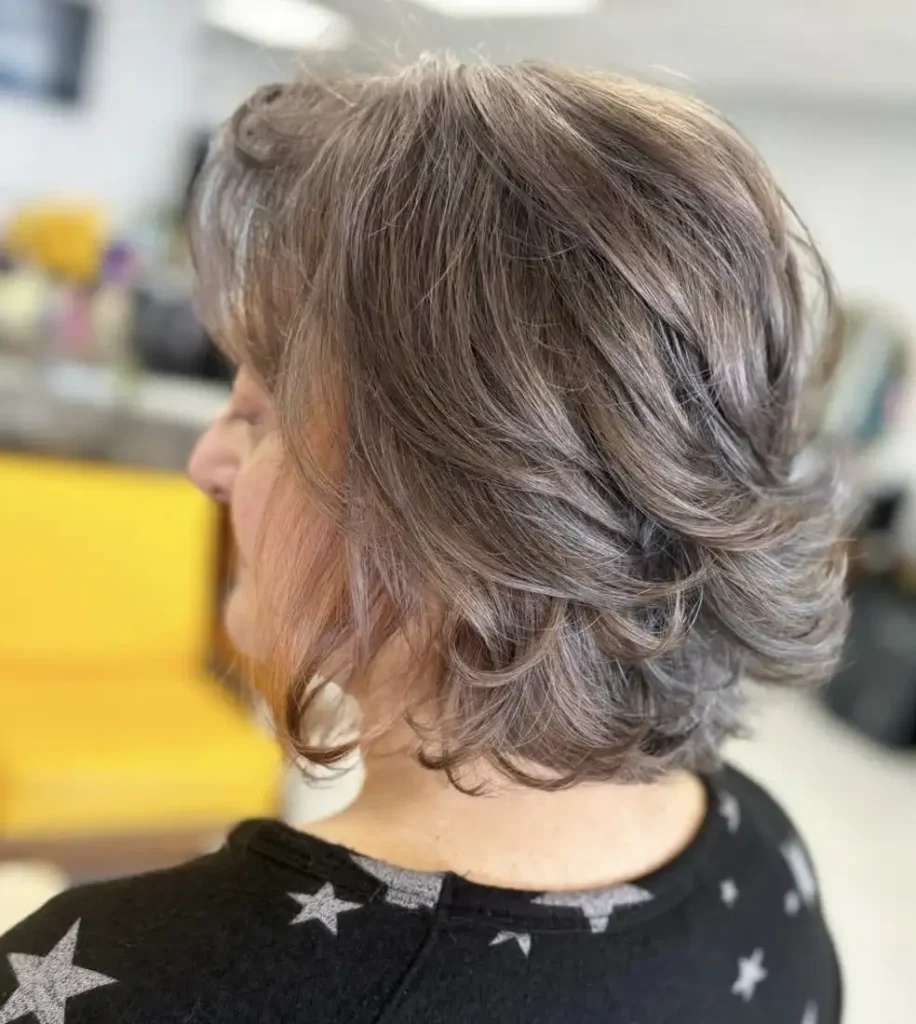
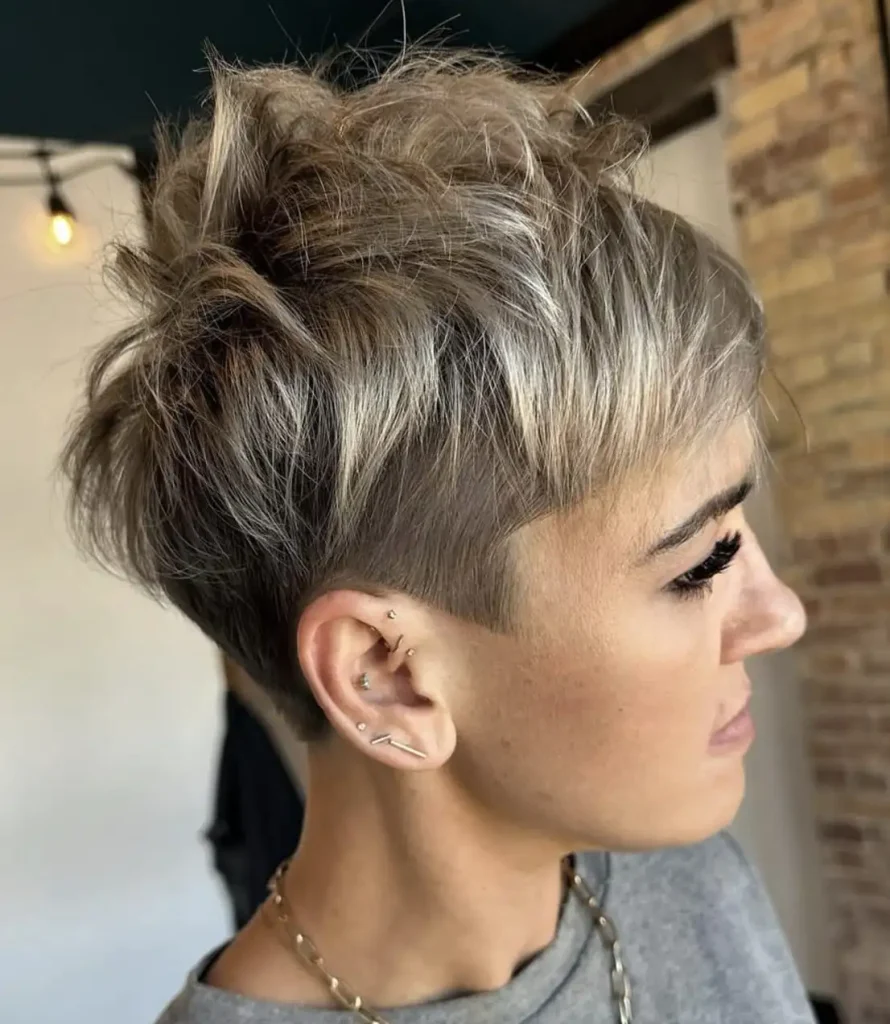
In Your 50s: The Perfect Time for Gray with Lowlights
This is honestly where I see the most dramatic and rewarding transformations. Women in their 50s often have a beautiful blend of silver, white, and remaining pigmented strands — a naturally complex base that lowlights can elevate to something truly extraordinary. You’re no longer fighting the gray; you’re working with it.
One thing I pay close attention to in this decade is hair texture. Many women notice their hair becoming finer or less dense after 50, which is completely normal. For women dealing with thinning hair, I recommend placing lowlights strategically — focusing on the mid-lengths and ends rather than too close to the scalp. This creates the illusion of thickness and volume without adding weight that could flatten fine strands.
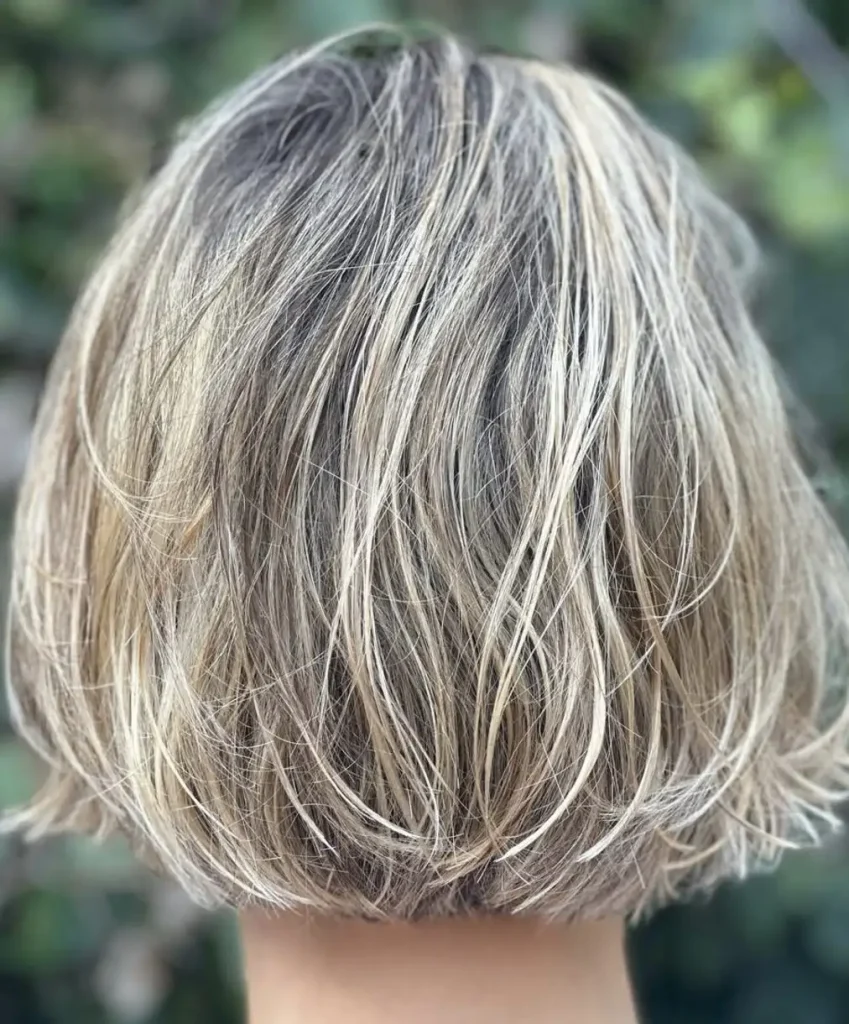
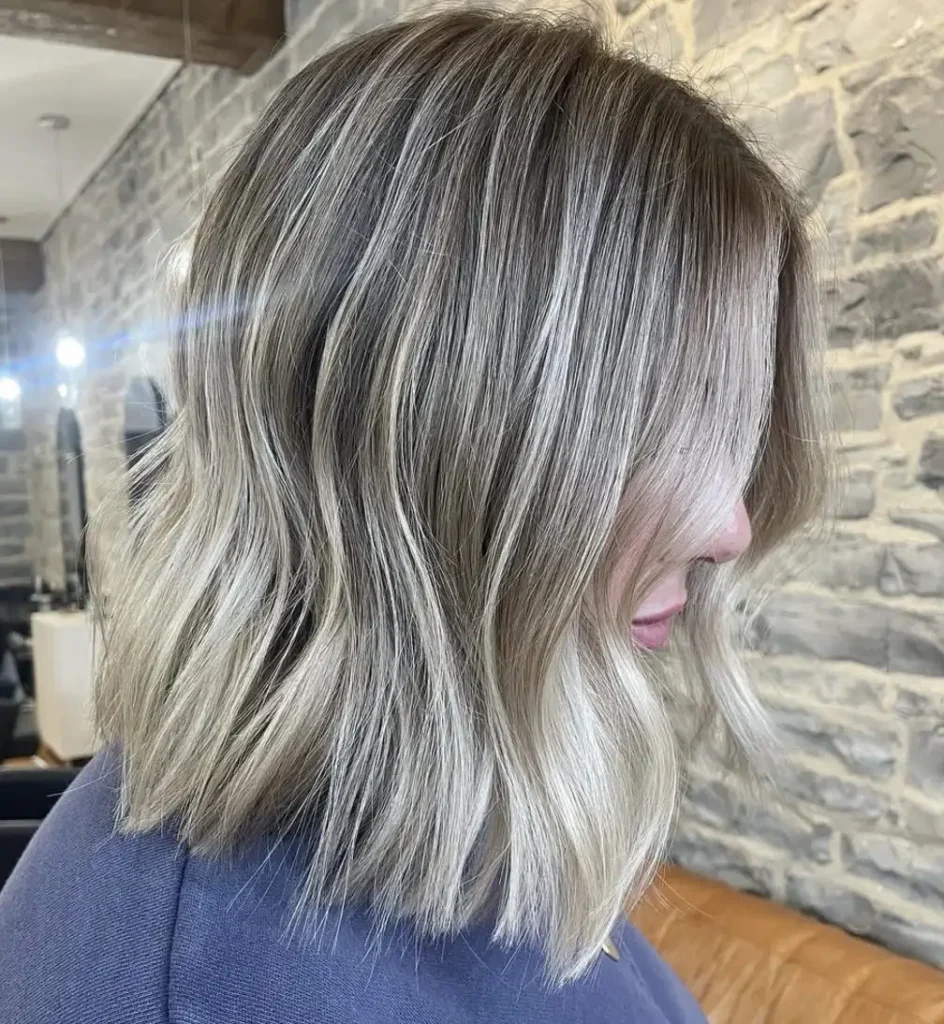
Hairstyle is also part of the equation. Lowlights look particularly stunning on bob hairstyles for women over 50, where the clean lines of the cut allow the color dimension to really shine. A textured bob with ash-brown lowlights and silver highlights is one of my absolute signature combinations — classic, chic, and completely modern.
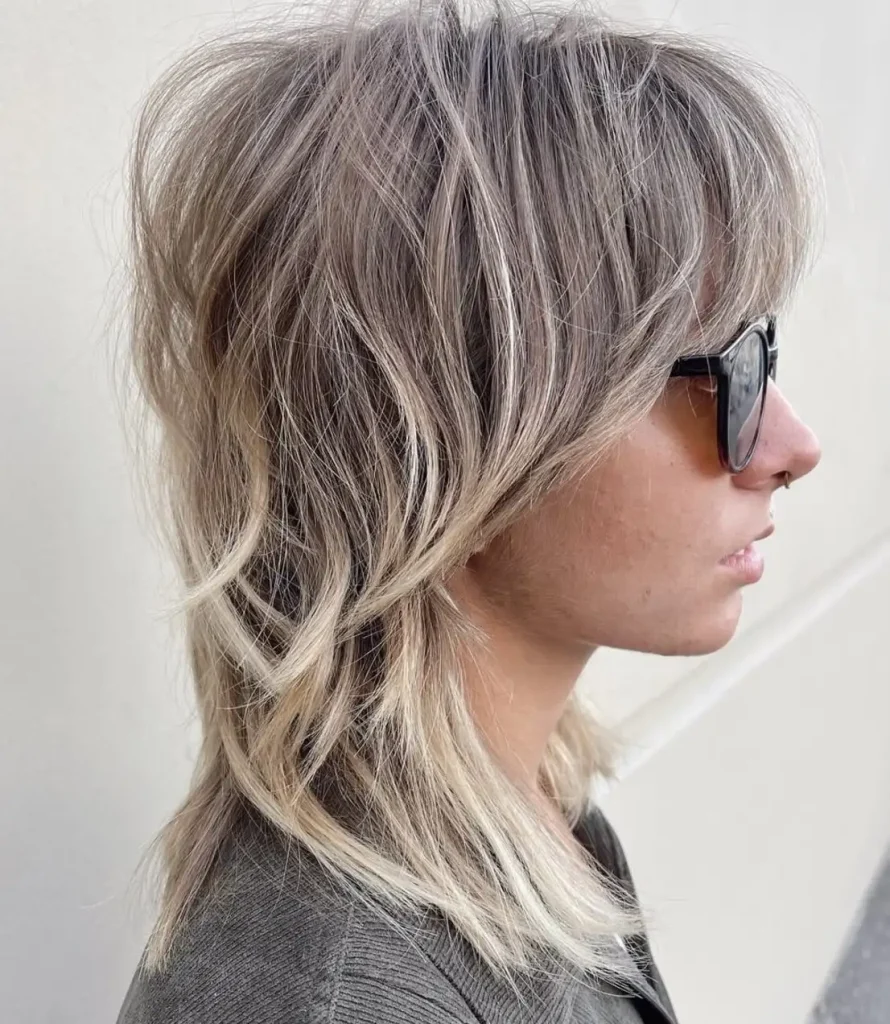
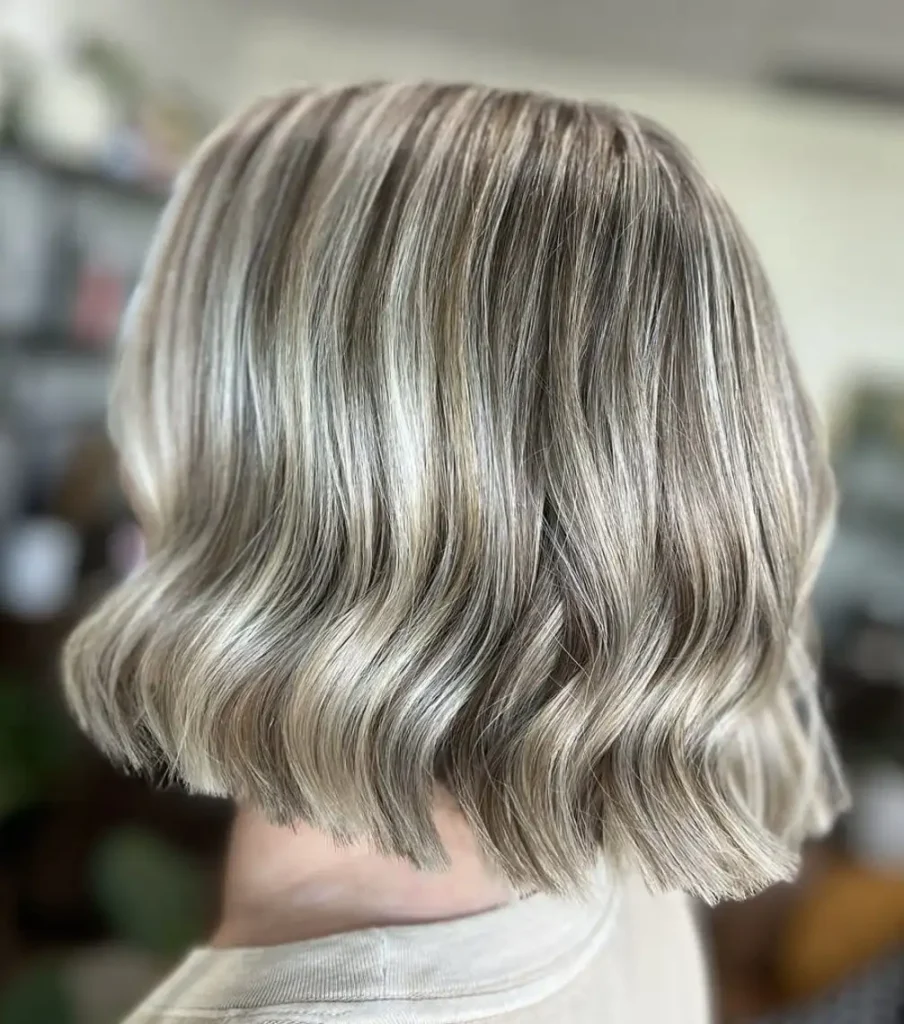
In Your 60s: Soft, Luminous, and Effortlessly Elegant
In your 60s, the goal with lowlights shifts slightly. Most of my clients in this decade have predominantly white or silver hair, and the priority is warmth and softness — avoiding anything that looks stark or ageing against the skin. I tend to reach for very soft, diffused lowlight shades: light ash brown, cool taupe, or even a muted lavender-gray for something more unexpected.
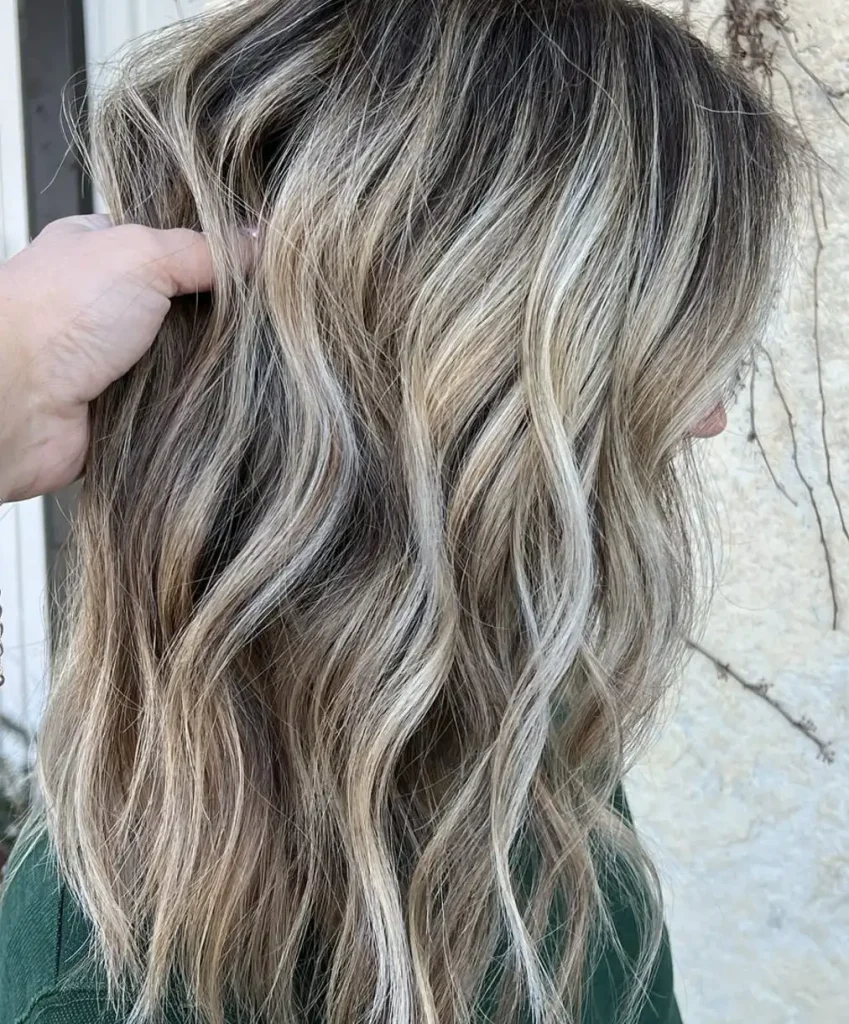
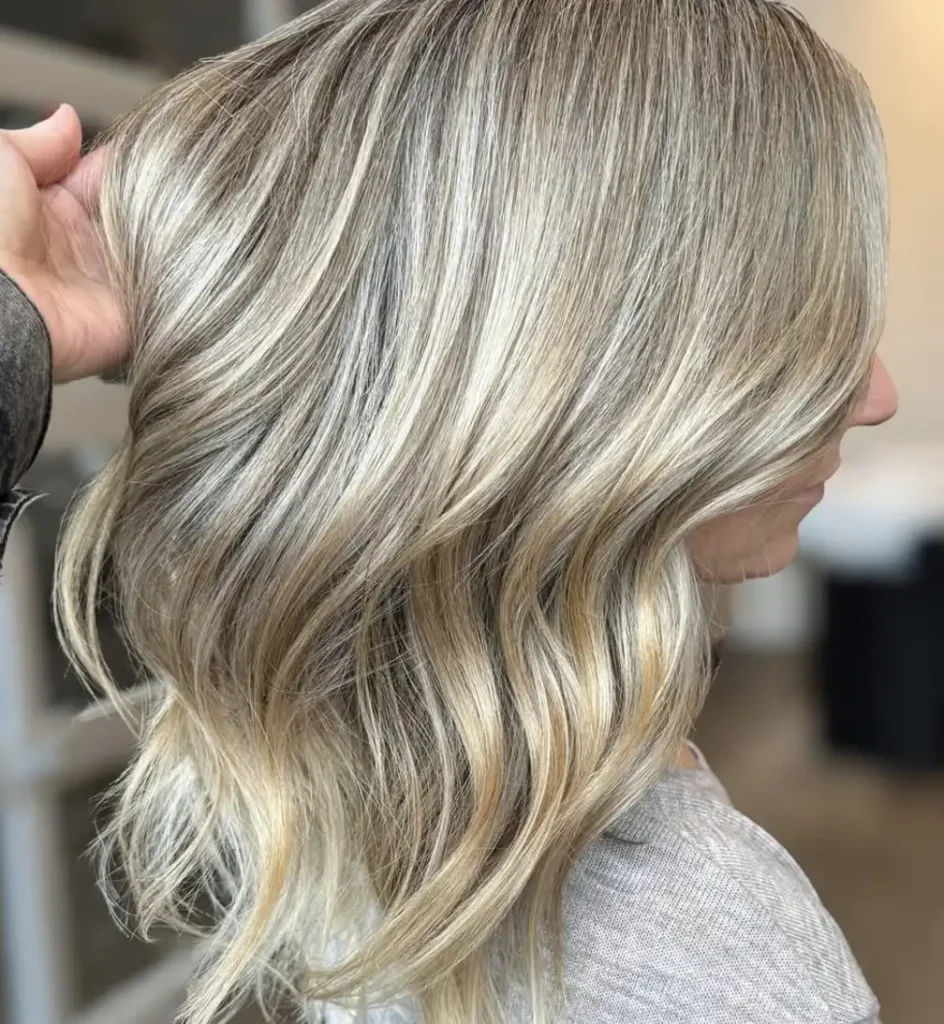
I also think about the cut at this stage. Lowlights on a beautifully shaped pixie cut for women over 50 can be absolutely breathtaking — the color dimension reads even more intensely on short hair, where every strand is visible. For women with longer styles, I love placing lowlights in a cascading pattern from root to end, which creates the effect of hair falling in waves of light and shadow.
One important note for women in their 60s: always ask your colorist about the formulation being used. As hair gets finer and more porous with age, it can absorb color more quickly, sometimes resulting in lowlights that come out darker than intended. A good colorist will use a gentler developer and check the color frequently during processing.
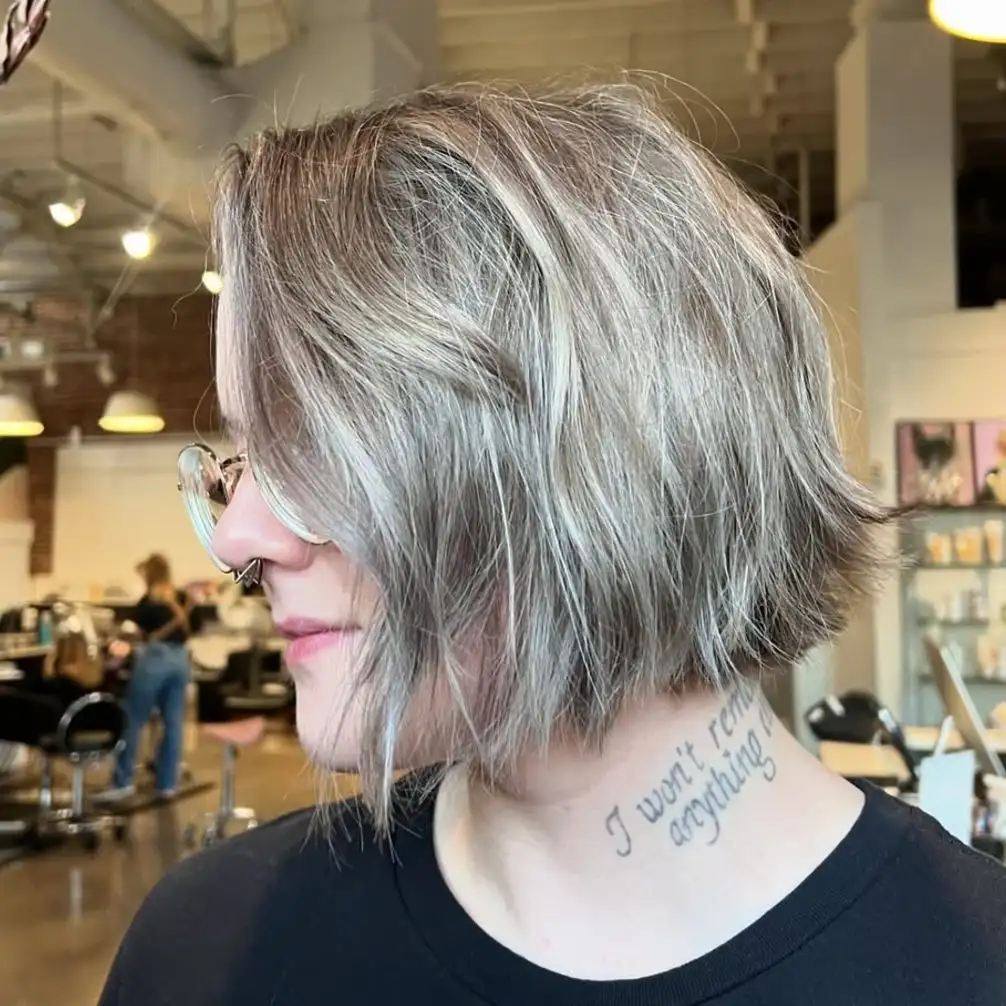
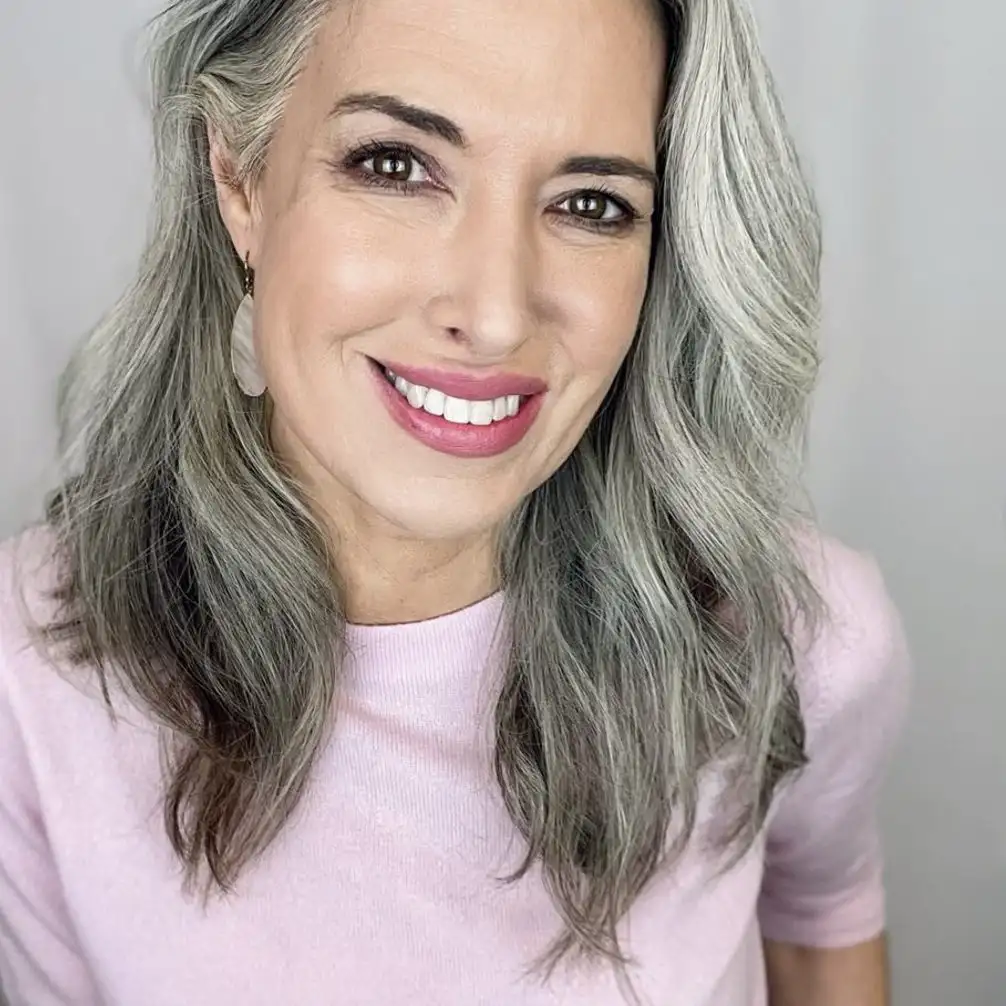
Face Shape Guide: Which Lowlight Placement Suits You Best
One of the most underrated aspects of lowlight application is placement — and it can make a significant difference in how the final result flatters your features. Here’s how I approach different face shapes.
Oval Face: Lucky you — almost any lowlight placement works beautifully. You can go for all-over dimension, concentrate lowlights at the temples, or opt for face-framing pieces. The naturally balanced proportions of an oval face can handle more contrast and variety.
Round Face: I recommend placing lowlights along the sides of the face and avoiding them across the forehead and crown, where they can add visual width. Vertical placement and longer, flowing lowlight pieces help elongate the face and create the illusion of length. This is especially lovely on layered styles where the lowlights follow the natural fall of the hair downward.
Square Face: For a square or angular face, softer, diffused lowlights placed toward the center of the hair (away from the jaw and temples) help soften the corners. I love a wavy or curled style with this placement — the movement draws the eye inward and upward rather than across the jaw.
Heart-Shaped Face: Women with a wider forehead and narrower chin benefit from lowlights placed at the sides of the face toward the chin area. This visually widens the lower half of the face and creates better balance. Avoid heavy lowlights at the forehead, which can make it look even wider. This is also worth keeping in mind when considering hairstyles for women over 50 more broadly — the right cut and color work together to frame your features beautifully.
Long/Oblong Face: To shorten and add width to a long face, place lowlights horizontally — across the crown and through the layers — rather than running them vertically from root to end. This creates the optical illusion of more width and a rounder silhouette. If you wear glasses, it’s also worth considering how your frames interact with your color. Hairstyles for glasses wearers often benefit from color that frames rather than overwhelms the face, which is something I think about carefully when placing lowlights on clients who wear frames.
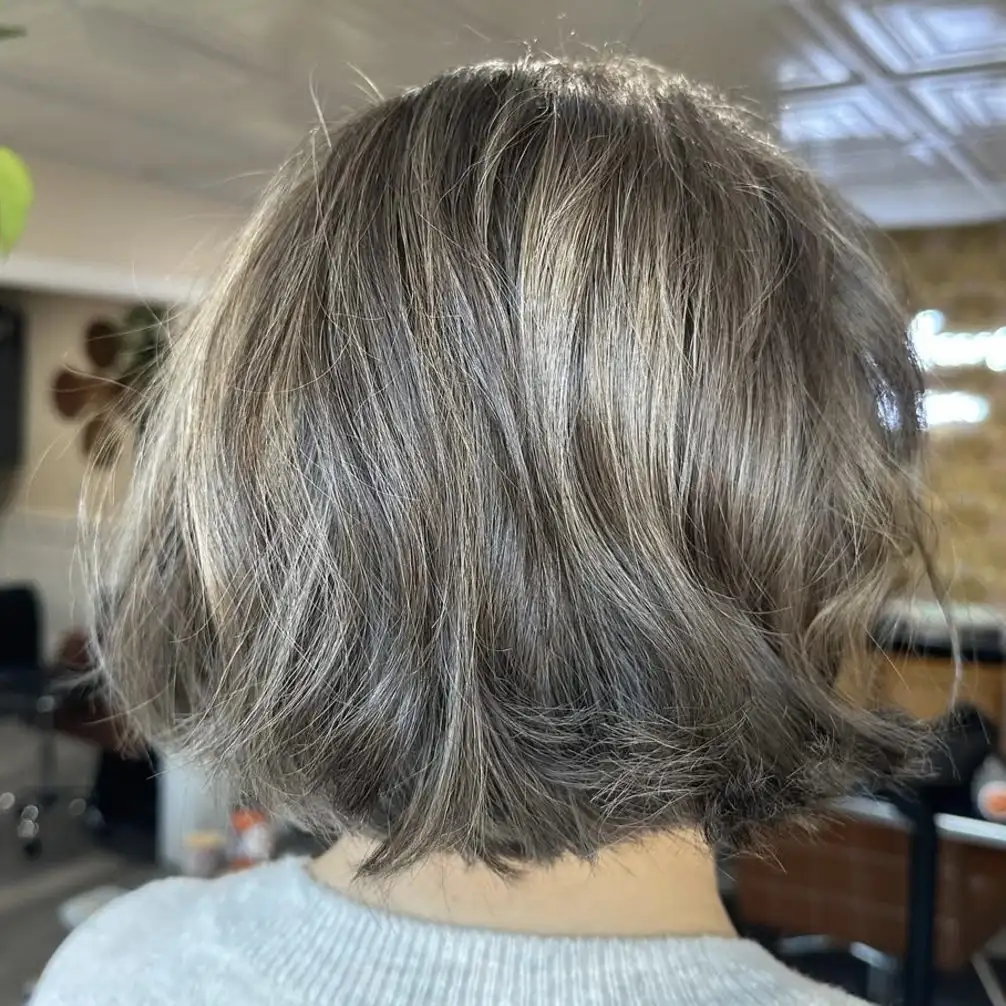
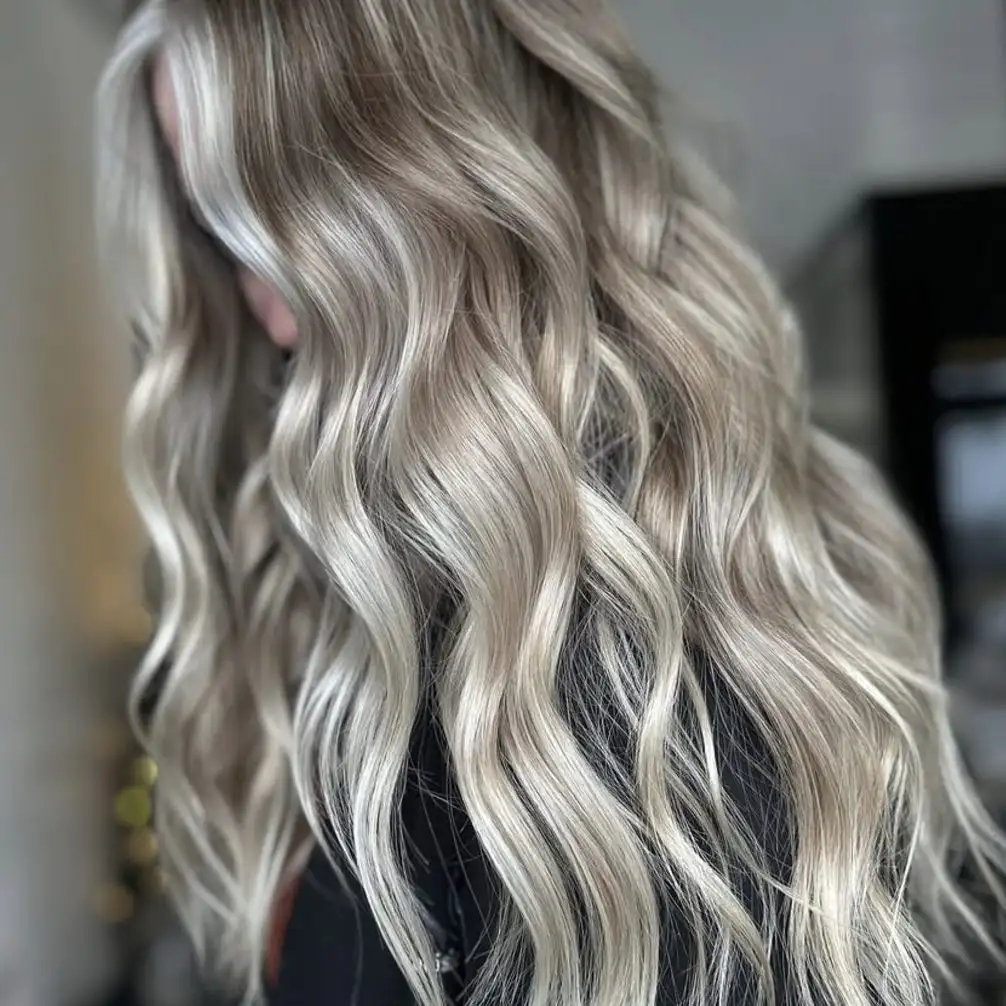
How to Care for Gray Hair with Lowlights
Keeping your lowlights looking gorgeous between salon visits requires a thoughtful care routine — and the good news is that it doesn’t have to be complicated. Here’s exactly what I tell every client after a lowlight appointment.
Use a purple or silver shampoo — but not too often. One of the most common questions I get is whether you need toning shampoo when you have lowlights on gray hair. The answer is: sometimes, and strategically. Use a purple or silver shampoo once a week to keep any brassy or yellow tones at bay on the lighter, gray sections. But don’t overdo it — used too frequently, these shampoos can make your lowlight pieces look dull or faded. Alternate with a hydrating shampoo the rest of the week.
Deep condition weekly. Gray hair tends to be drier and more porous than pigmented hair, and the lowlight coloring process — even when done gently — adds some degree of chemical stress. A weekly deep conditioning mask or hair oil treatment will keep your strands soft, shiny, and healthy. I love argan oil and bond-building treatments for this.
Protect from heat. If you use heat tools regularly, always apply a heat protectant before styling. Heat accelerates color fade, and the last thing you want is for your beautiful lowlights to turn brassy or dull after a few weeks of blow-drying without protection.
Schedule touch-ups every 8–12 weeks. One of the beautiful things about lowlights on gray hair is that they grow out gracefully — especially when done in a balayage or freehand style. Unlike regrowth from full-coverage color, lowlights don’t leave a harsh demarcation line. You can comfortably stretch your salon visits to every 8–12 weeks, or even longer if your colorist has done a particularly natural placement.
Protect from UV. Sun exposure can lighten and fade lowlights over time, especially if you spend a lot of time outdoors. Use a UV-protective hair spray in summer, or simply wear a hat. Your color investment is worth protecting!
Styling Tips to Make Lowlights Pop
Color and cut go hand in hand — and the way you style your hair can make a huge difference in how prominently (and beautifully) your lowlights show up. Here are my favourite styling strategies for maximizing dimension.
Add texture. Straight, smooth hair can sometimes flatten the visual effect of lowlights. Adding waves or curls — even loose, natural-looking ones — creates peaks and valleys in the hair that catch light differently, making the contrast between your lighter gray and darker lowlight strands far more visible. A large-barrel curling iron or braiding damp hair overnight both create beautiful effortless waves.
Part strategically. Changing your part can reveal your lowlights in a completely different way. A deep side part, for example, drapes more hair across the top of the head and can reveal beautiful shadow and depth from the lowlights underneath. Experiment with where you part your hair after a color service — you might be surprised by what it shows off.
Use shine-enhancing products. Lowlights look their absolute best when hair is glossy and light-reflective. Finish your style with a lightweight shine serum, gloss spray, or a tiny amount of hair oil worked through the ends. Avoid heavy, matte products that can dull the visual impact of your color.
Try an updo for maximum impact. When your hair is worn up — in a chignon, a twist, or even a loose half-up style — the lowlights become visible as contrasting layers peek through the lighter strands on the surface. It’s a stunning effect that works beautifully for evenings out or special occasions. For women who love an edgier aesthetic, an undercut pixie edgy over 50 with strategic lowlight placement can look incredibly bold and modern.
Frequently Asked Questions
Will lowlights make my gray hair look darker overall?
This is one of the first things women ask me, and the answer depends entirely on how the lowlights are applied. If your colorist uses a light touch — fine pieces, subtle shade difference, placed throughout the hair rather than concentrated in one area — the overall effect is depth and dimension, not darkness. The goal is to enhance your gray, not mask it. If you’re nervous, start with a softer, lighter lowlight shade that’s only one to two shades deeper than your gray.
How often do I need to get lowlights touched up?
Far less often than you’d think! One of the great advantages of lowlights on gray hair is their graceful grow-out. Because they’re adding depth rather than lightening the hair, there’s no harsh regrowth line. Most of my clients come back every 10–14 weeks, and some with very natural, balayage-style placement stretch to every four to six months. It’s one of the most low-maintenance color services you can choose.
Can I get lowlights if my hair is very fine or thinning?
Yes — but technique matters a great deal. For fine or thinning hair, I recommend ultra-fine lowlight pieces placed through the mid-lengths and ends rather than close to the scalp. Concentrating too much color near the roots on fine hair can make it look darker and flatter at the scalp, which is the opposite of what we want. Fine placement through the lengths creates the illusion of thickness and movement. It’s worth discussing your hair density with your colorist before the appointment so they can adjust accordingly.
Are lowlights damaging to gray hair?
Gray and white hair can be more porous and fragile than pigmented hair, so it’s a fair question. The good news is that lowlights — which deposit color rather than strip it — are among the gentler color services available. Depositing dye doesn’t require the same high-volume developer that lightening does, which means less structural damage to the hair shaft. That said, always use a bond-protecting additive (like Olaplex or a similar product) if your hair is particularly fine or compromised, and follow up with good conditioning care at home.
What’s the difference between lowlights and highlights on gray hair?
Highlights lighten strands to be brighter than your base; lowlights darken strands to be deeper than your base. On gray or white hair, highlights would create very light, often platinum or cream-colored pieces (which can blend invisibly into white hair), while lowlights add visible depth and shadow. For women with predominantly white or light silver hair, lowlights create far more visible, dramatic dimension than highlights would. Many colorists use a combination of both for the most natural, multi-tonal effect.
Is it too late to start lowlights if I’m in my 60s or 70s?
Absolutely not — it’s never too late, and I’ve seen some of my most breathtaking lowlight transformations on women in their late 60s and 70s. The key at this stage is choosing softer, more diffused shades and avoiding anything too dark or high-contrast, which can emphasize fine lines and look harsh against the skin. Soft ash browns, muted cool taupes, and light espresso shades all work beautifully. The result is a warmer, more luminous version of your silver — elegant, sophisticated, and completely age-appropriate.
Final Thoughts
Gray hair with lowlights over 50 is, in my professional opinion, one of the most flattering and modern color approaches available to women in this chapter of their lives. It respects and honors the beauty of your natural gray while giving it the richness, movement, and depth that makes hair look truly alive. Whether you’re just beginning to embrace your silver, fully committed to going natural, or simply looking for a fresh take on your current color, lowlights offer a customizable, low-maintenance, and genuinely stunning solution.
The most important thing? Work with a colorist who listens, understands the unique properties of gray and mature hair, and has the skill to apply lowlights in a way that looks natural and intentional. Show them photos, be specific about the depth you want, and don’t be afraid to start subtle — you can always add more dimension at your next appointment.
I hope this guide has given you the confidence and inspiration to explore this beautiful technique. Your gray is gorgeous — let’s make it even more so.
📌 Loved these ideas? Pin this article to your Pinterest hair board so you always have it handy — and share it with a friend who might be thinking about refreshing her gray! Find more inspiration at maturehairguide.com