
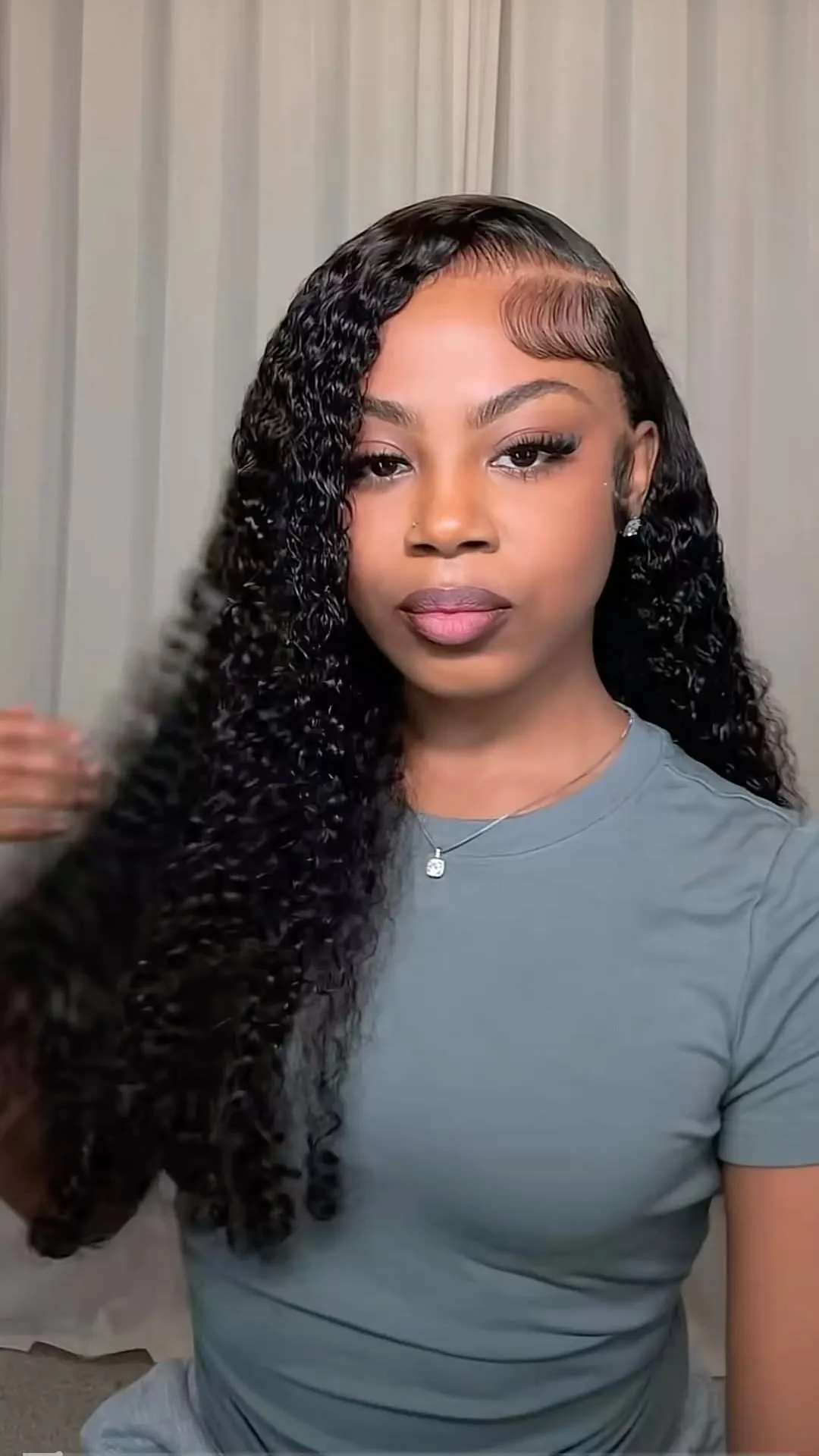
After more than two decades behind the chair, I can tell you there is nothing quite like the moment a woman sees herself with a head full of soft, bouncy curls for the first time in years. That is exactly why I keep coming back to the curly flip over quick weave. It gives you fullness, movement, and a natural-looking part in a fraction of the time a traditional sew-in takes, and it is one of the most forgiving protective styles I recommend to my mature clients. If you have been craving volume without the daily struggle, you are in the right place. Go ahead and bookmark our japan curly hair collection so you always have a folder full of gorgeous curly inspiration to bring to your stylist. In this guide I will walk you through everything I have learned about the curly flip over quick weave: how it is done, how to make it look seamless, the colors that flatter mature skin, the best shapes for your face, and exactly how to care for it so the hair underneath stays healthy.
What Exactly Is a Curly Flip Over Quick Weave?
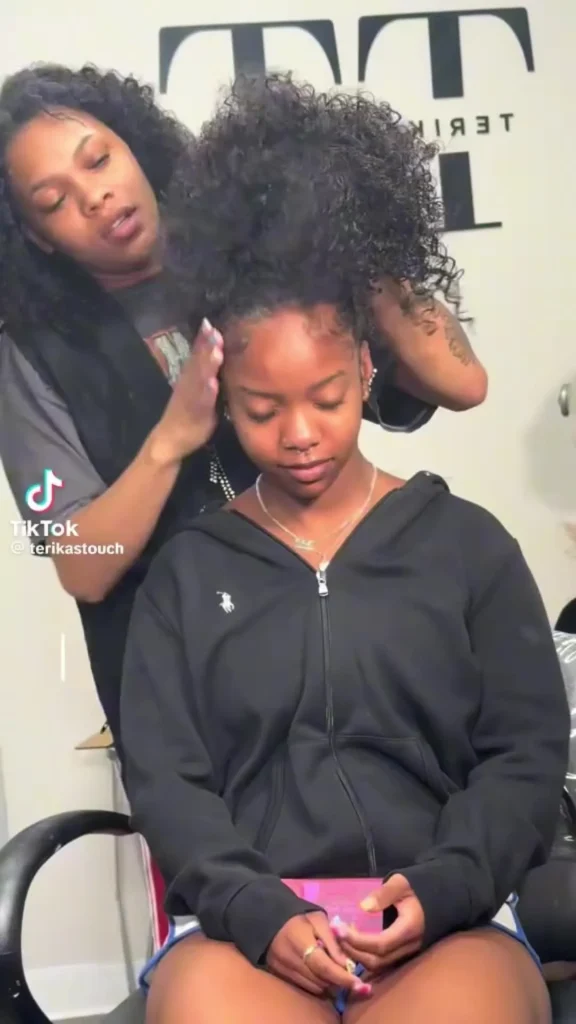
Let me start with the basics, because the name sounds more complicated than the style actually is. A quick weave is an install method where curly wefts, the rows of hair extensions also called tracks, are bonded onto a protective cap fitted over your own hair, rather than sewn onto braids the way a traditional weave is. Because there is no braiding-and-sewing process, the whole thing can be finished in an hour or two, which is where the word “quick” comes from.
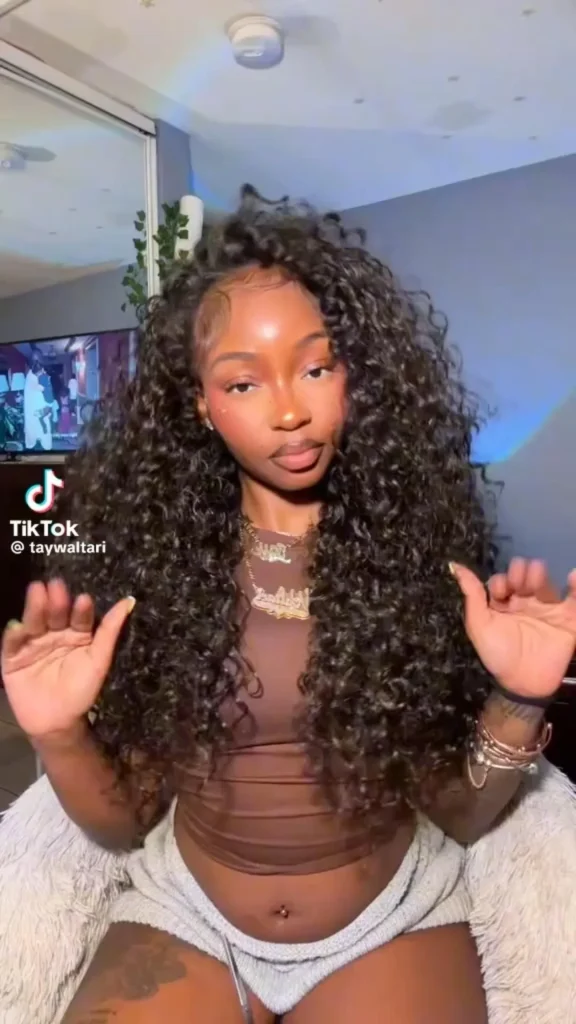
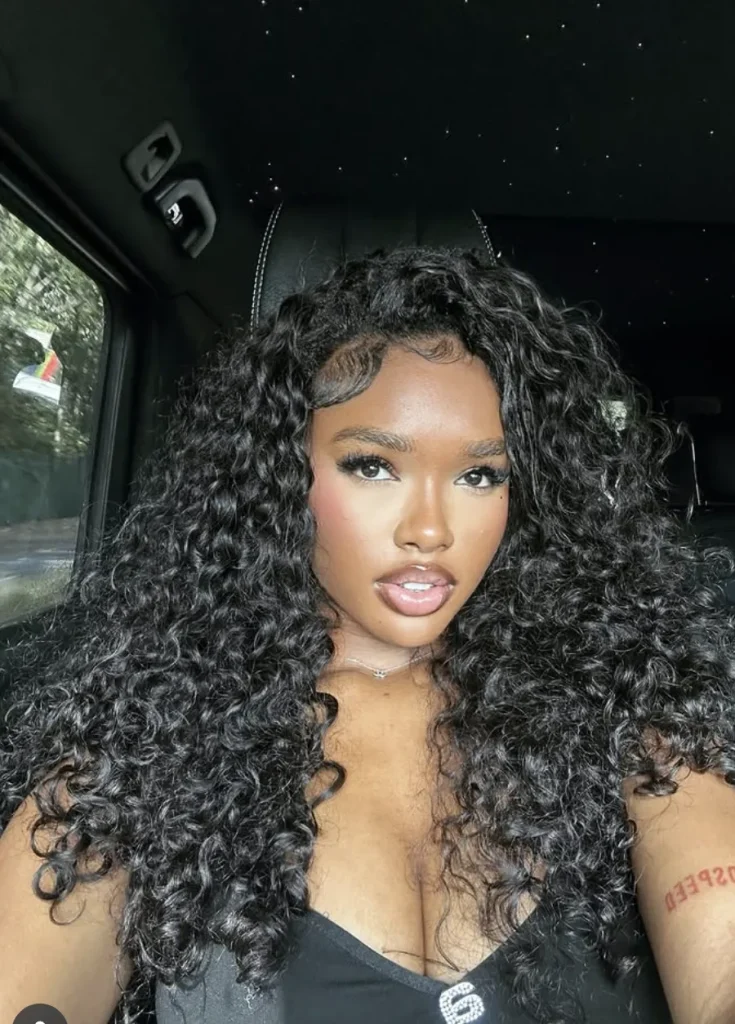
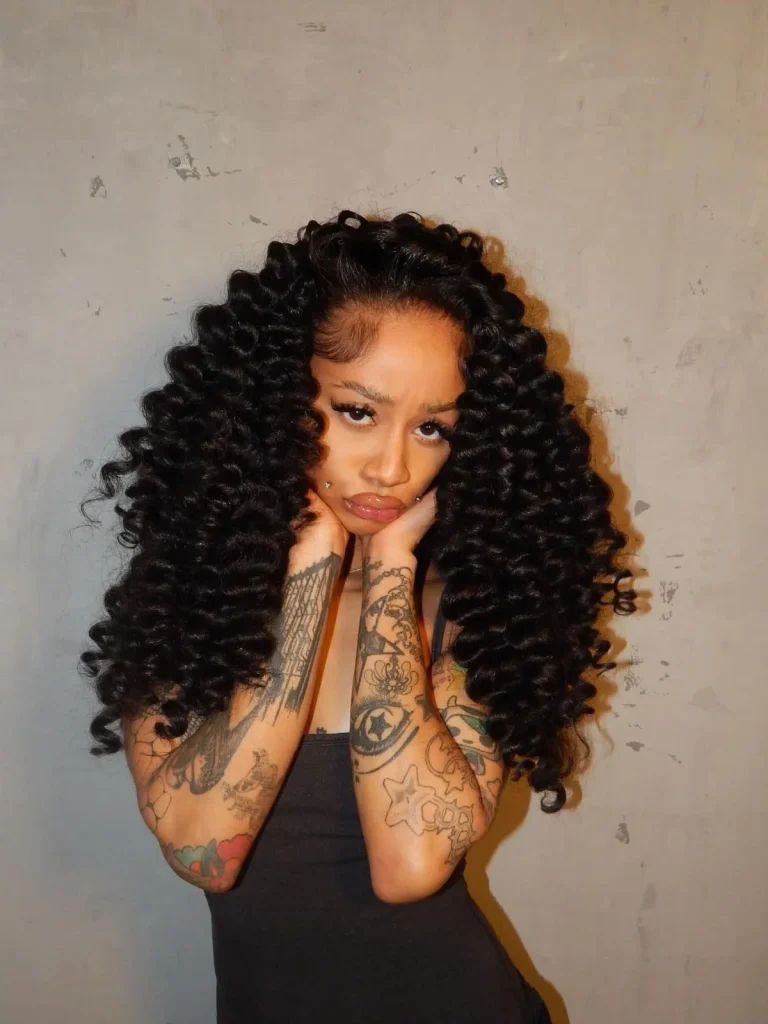
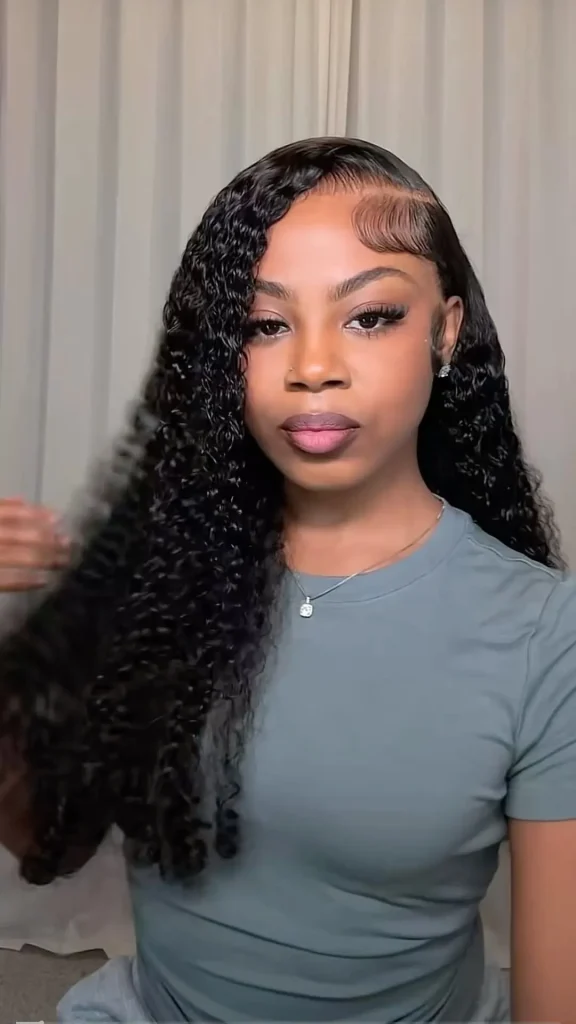
The “flip over” part refers to a clever leave-out technique. Instead of using a closure piece at the crown, your stylist leaves a section of your own hair out along the part. The curly wefts are installed underneath and around that section, and then your natural hair is curled to match the bundles and flipped over the top seam. When it is done well, that flipped-over hair hides exactly where the tracks begin, so you get a believable part and a touch of your own texture framing your face. With curly hair specifically, this method is wonderfully forgiving, because curls blur the line between your hair and the extensions and disguise any little imperfection that a straight style would put on display.
There are two common ways to build the base. The full cap method covers all of your hair with a dome-shaped cap and glues the wefts to it, leaving only your flip-over section out. The other approach leaves a horseshoe of your own hair out around the perimeter for an even more natural blend. Either way, when it is done correctly the bonding glue never touches your scalp, which is what makes a quick weave a genuinely protective, low-tension option.
Why I Recommend This Style for Women Over 40
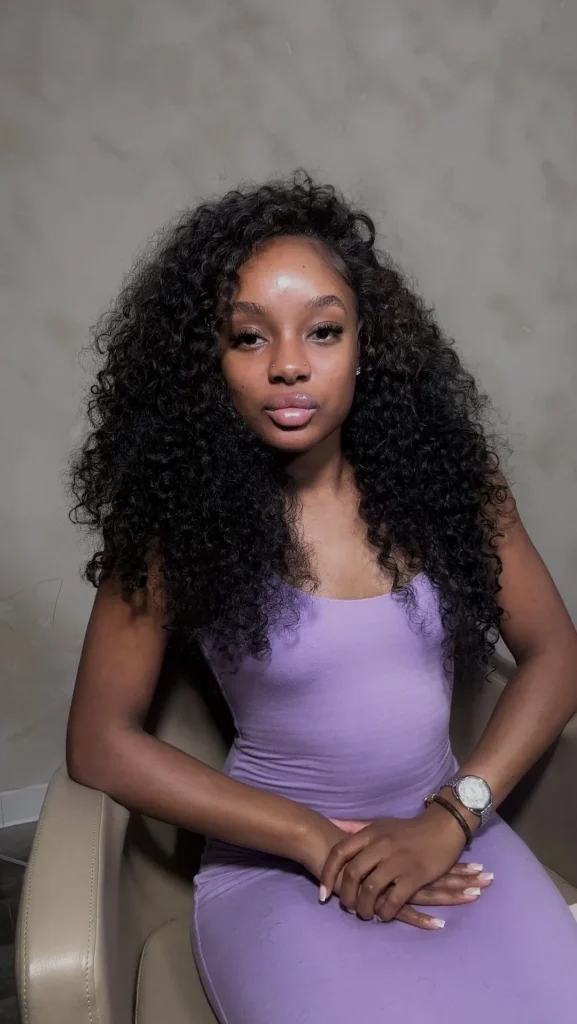
I will be honest about why this particular style has become a favorite of mine for clients in their forties, fifties, and beyond. As we age, our natural hair often becomes finer, drier, and a little less dense than it once was. That is simply hormones and time doing their thing. A curly flip over quick weave gives back the fullness that thinner hair cannot always provide on its own, and it does it gently.
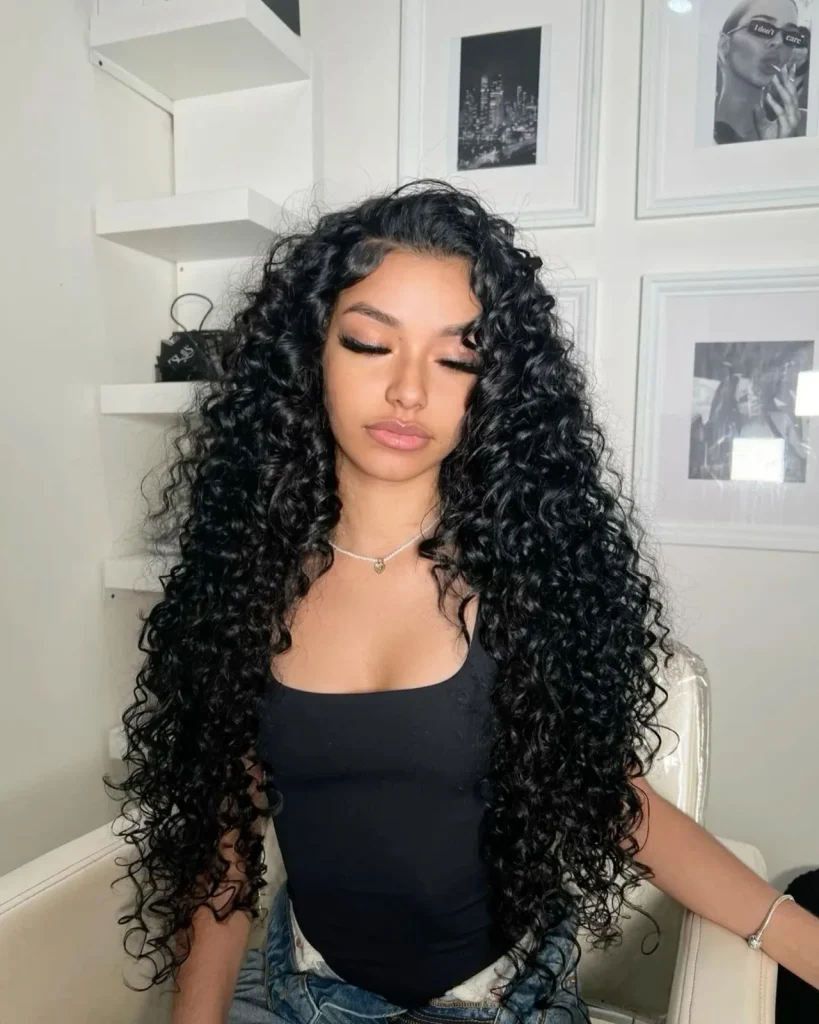
First, there is the volume. Curly bundles read as instantly thick and lush, so even a modest amount of hair looks abundant. Second, there is the protection. Your real hair spends a few weeks tucked safely under the cap, shielded from heat tools, friction, and over-manipulation, all of which are kind to fragile, mature strands. Third, there is the daily ease. Once it is installed, your morning routine shrinks to a quick fluff and a spritz of curl refresher. For women juggling careers, grandchildren, travel, and everything else, that simplicity is a real gift.
And then there is the confidence, which I never underestimate. So many of my clients tell me they had quietly given up on having big hair again. Watching them rediscover that feeling, turning their head and feeling curls move, is the part of my job I love most. If big, joyful curls speak to you, you might also enjoy the throwback drama of our 80s curly hair looks, which lean into that same full, glamorous energy.
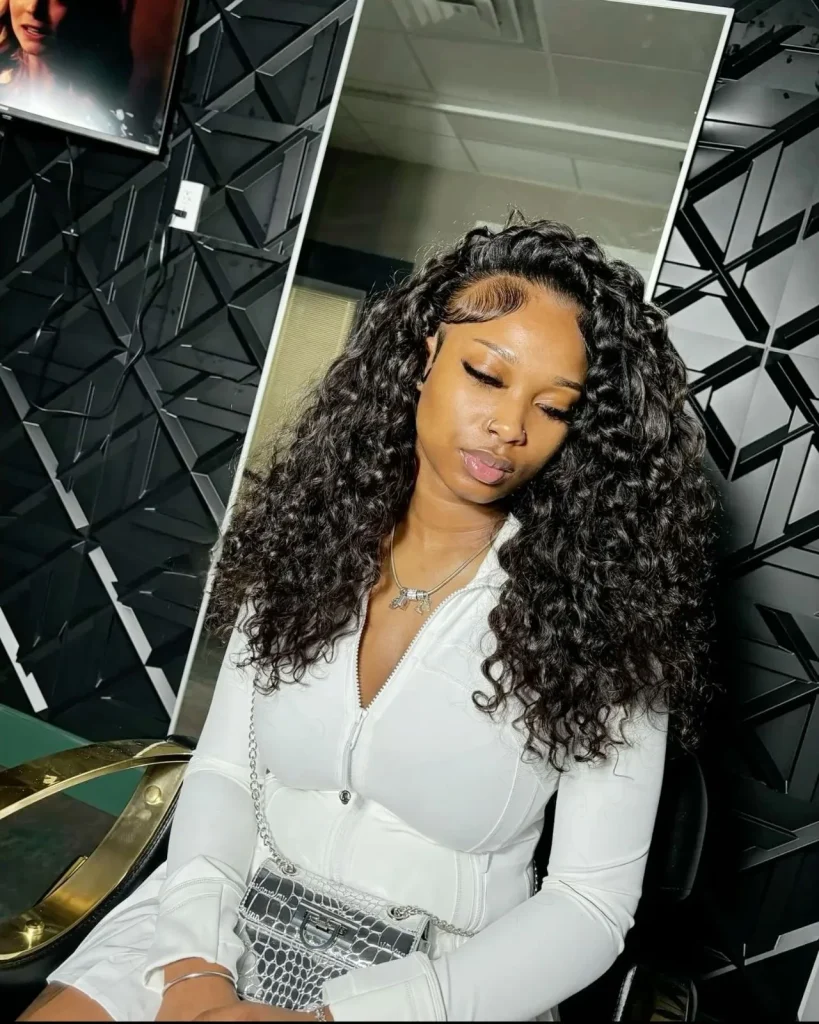
Styling Techniques That Look Truly Natural
The difference between a quick weave that looks obvious and one that looks like it grew out of your head almost always comes down to styling the flip-over section. This is where my years of experience really earn their keep.
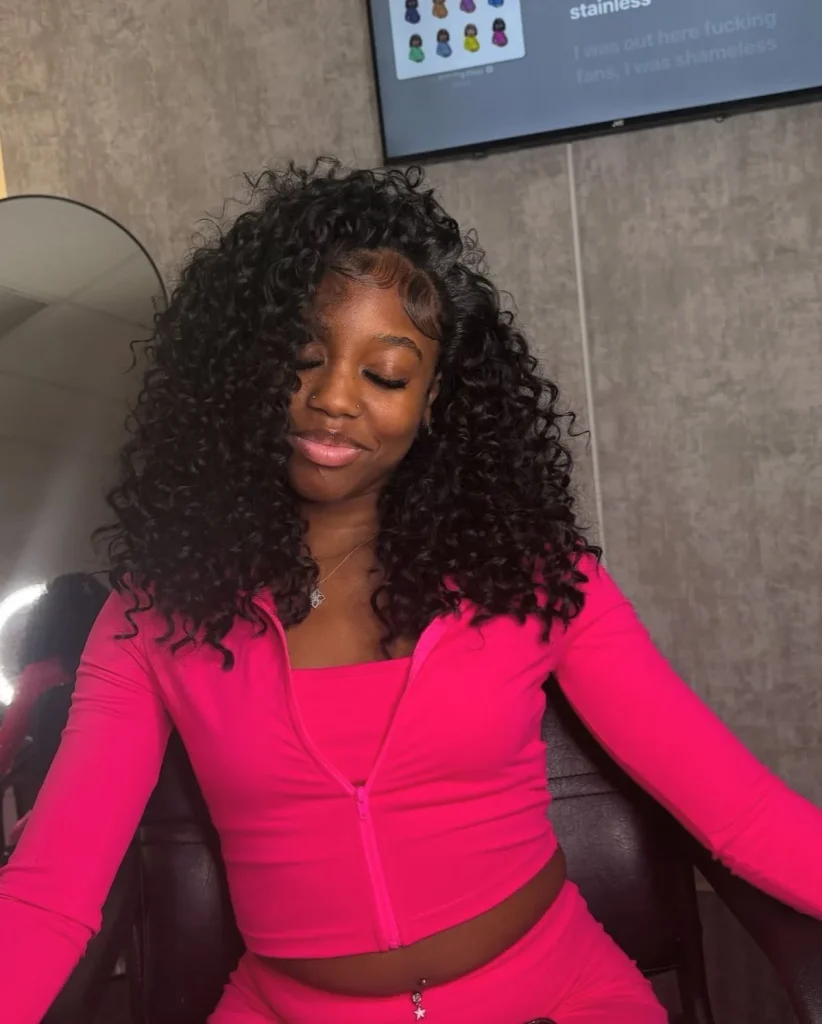
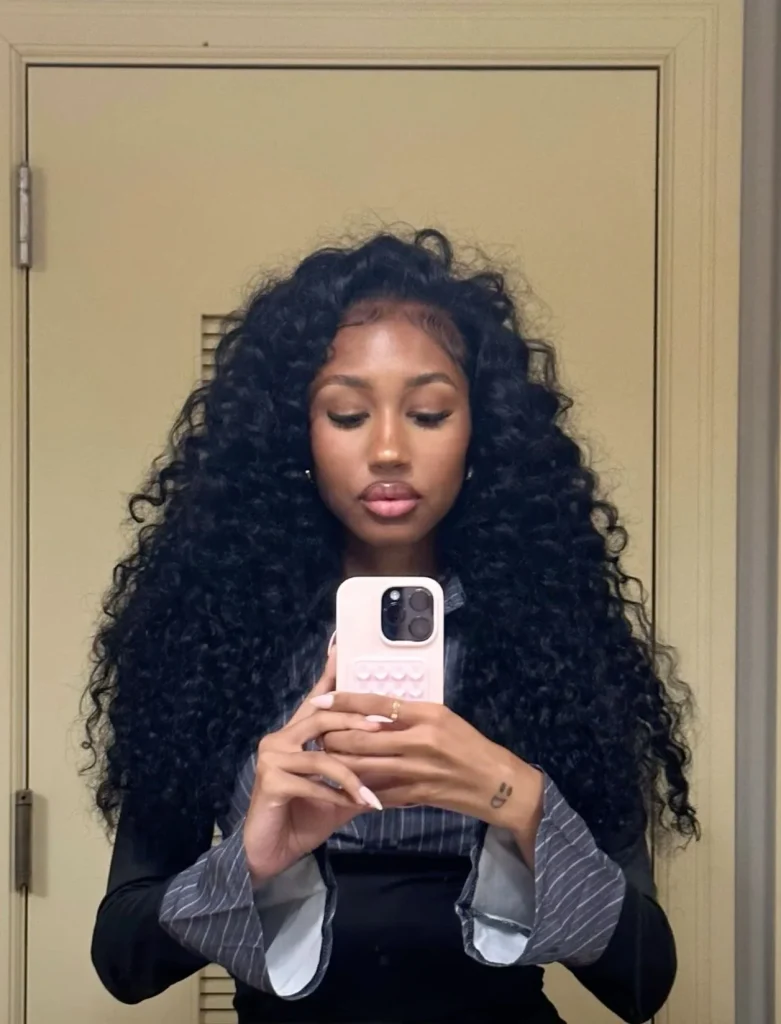
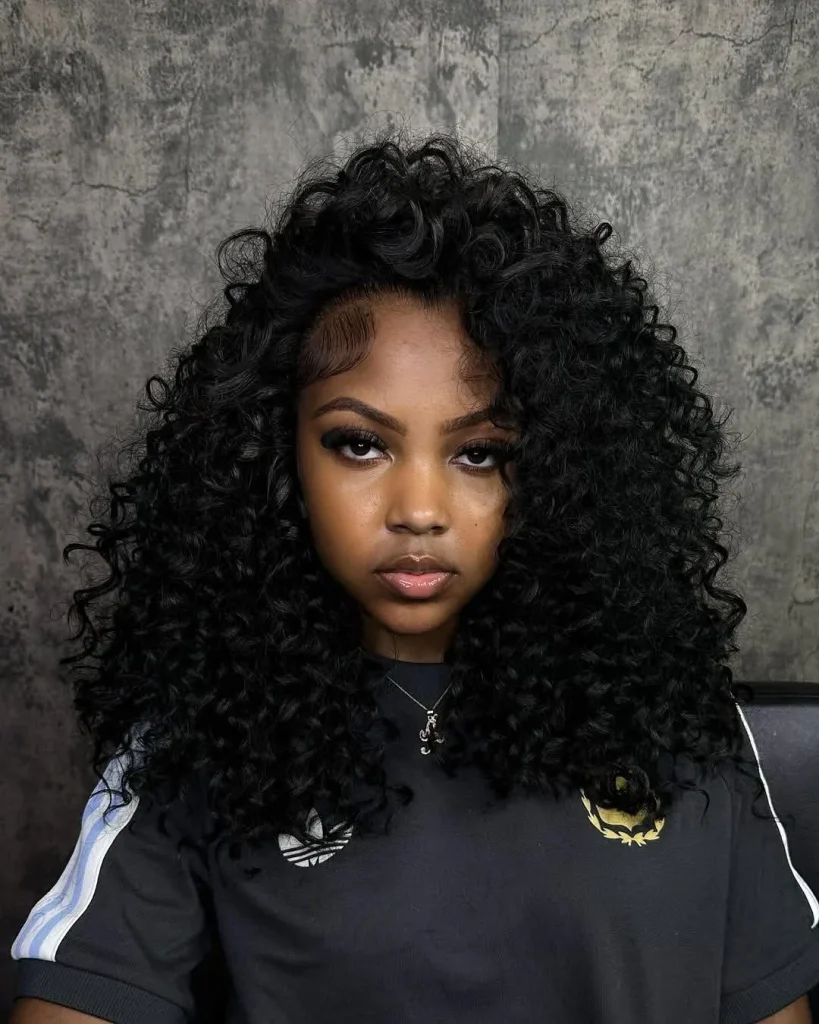
Match your texture first. The leave-out hair that flips over the top has to mimic the curl pattern of your bundles. If your bundles are a loose spiral and your own hair is straighter, gently curl that section with a small wand or flexi-rods so the two textures marry seamlessly. The closer the match, the more invisible the install.
Choose a part that suits you. A middle part is striking and modern, a deep side part adds drama and lift, and a soft zigzag part hides the seam beautifully because the eye cannot find a straight line to follow. I often steer my mature clients toward a side part, because it adds height at the crown, which is universally flattering and helps balance softer features.
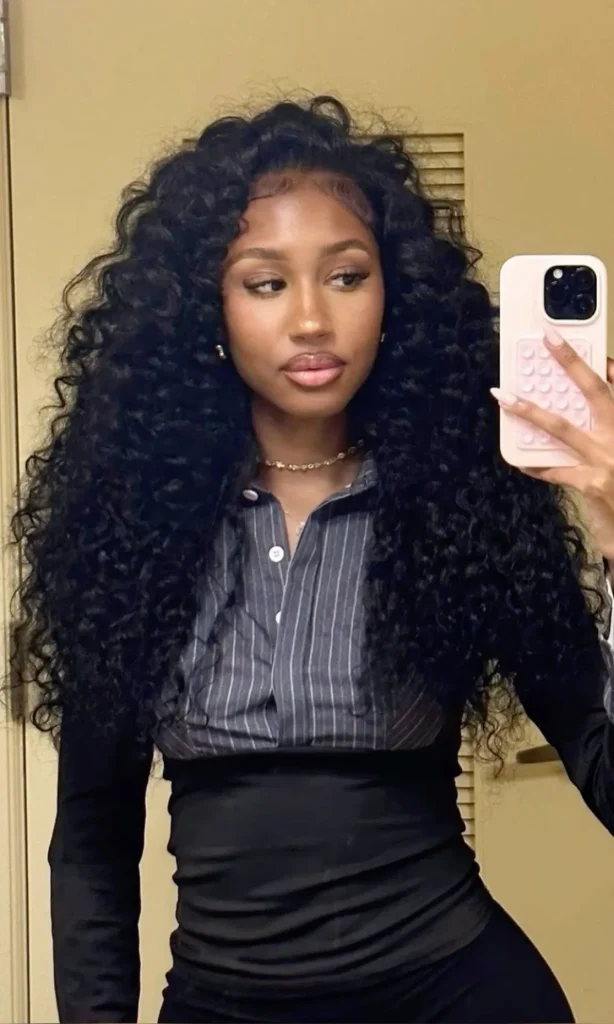
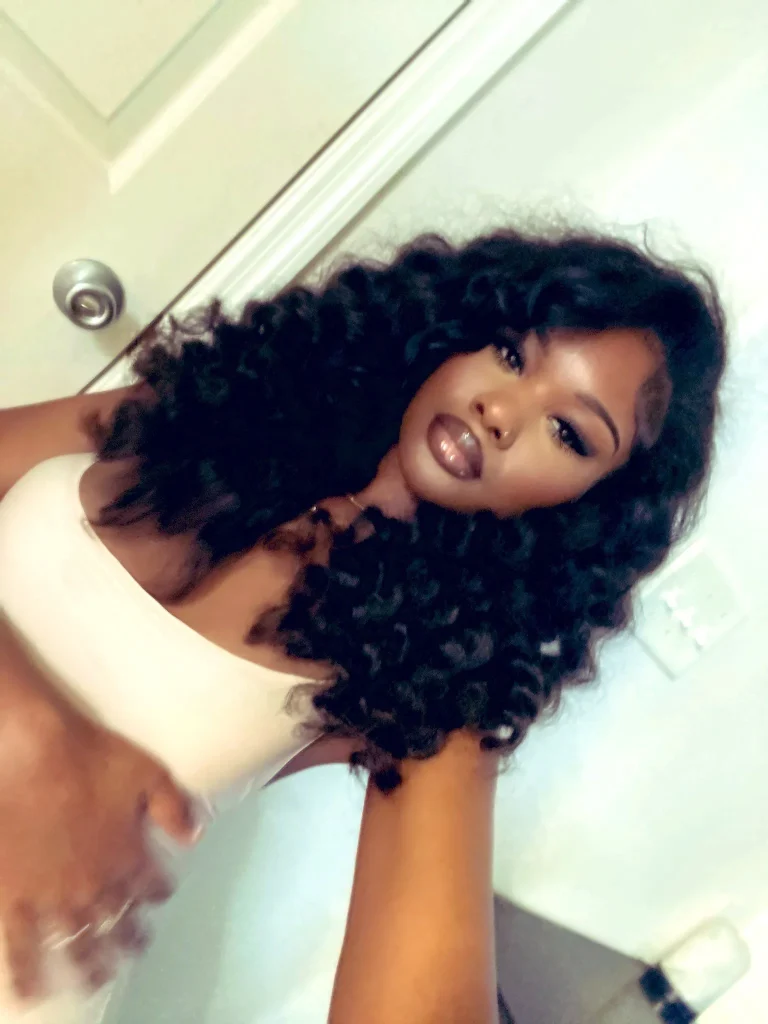
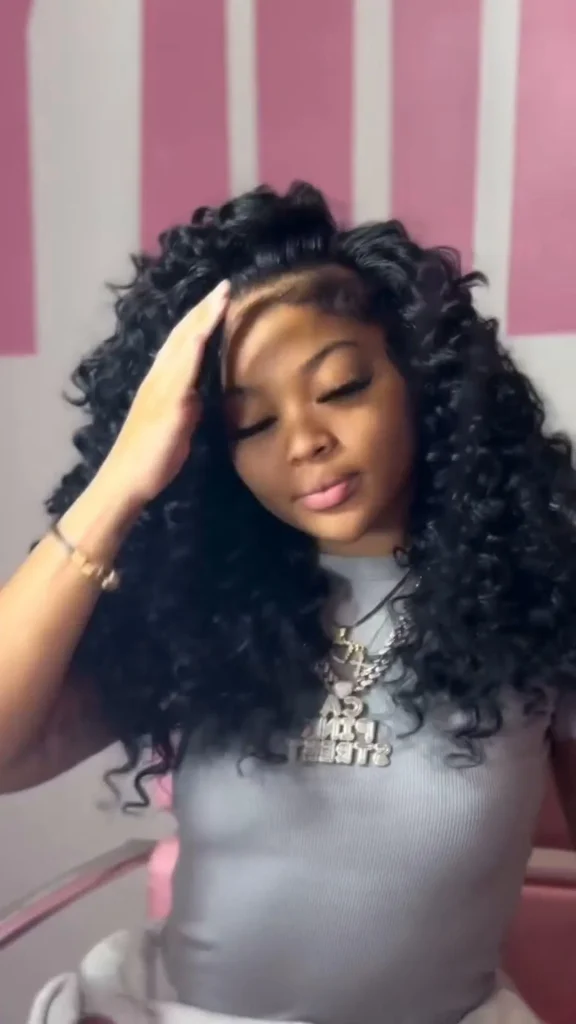
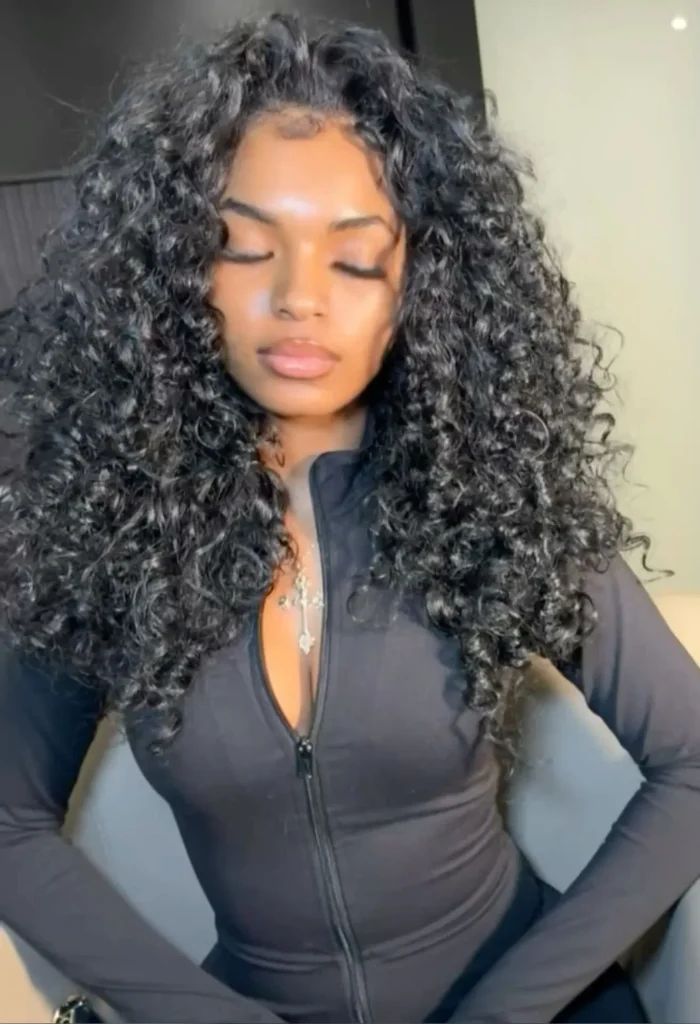
Shape the volume on purpose. Curly quick weaves want to be big, so the goal is shaping rather than shrinking. Use your fingers to lift at the roots for height, then let the lengths fall where they flatter your face. If a style feels too wide, a little smoothing serum on the sides tames the silhouette without flattening the crown.
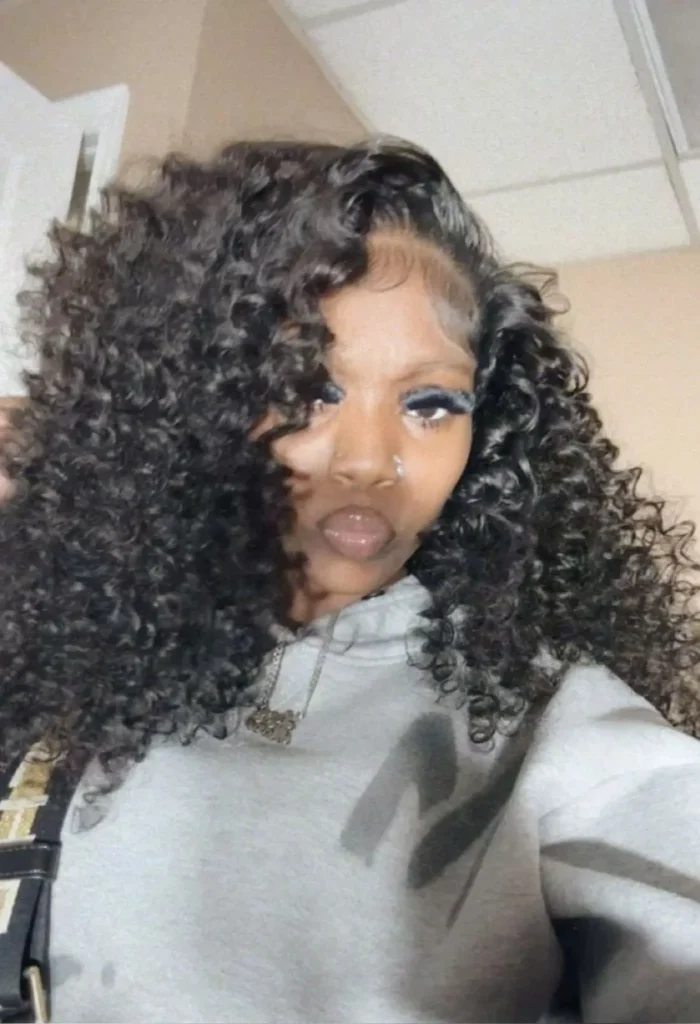
Refresh, do not rewet. Between washes, a leave-in or curl-refreshing spray brings curls back to life. Scrunch product upward into the curl, never brush, and let it air dry or diffuse on low. To take the look from day to elegant evening, a few bobby pins can sweep one side up, or you can gather the curls into a soft, high pineapple. Curly styles transition effortlessly, which is part of why they are so practical.
Choosing the Right Curl Pattern, Length, and Density
Not every curl is right for every woman, and choosing well is half the battle. Let me break down the three variables I always discuss with a client.
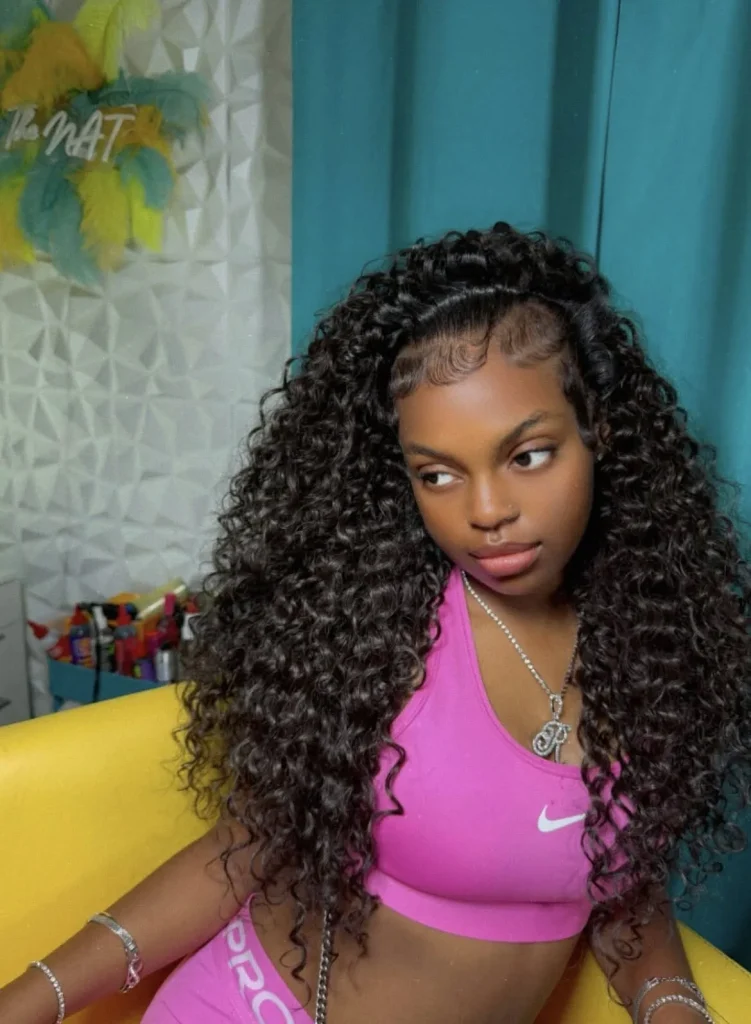
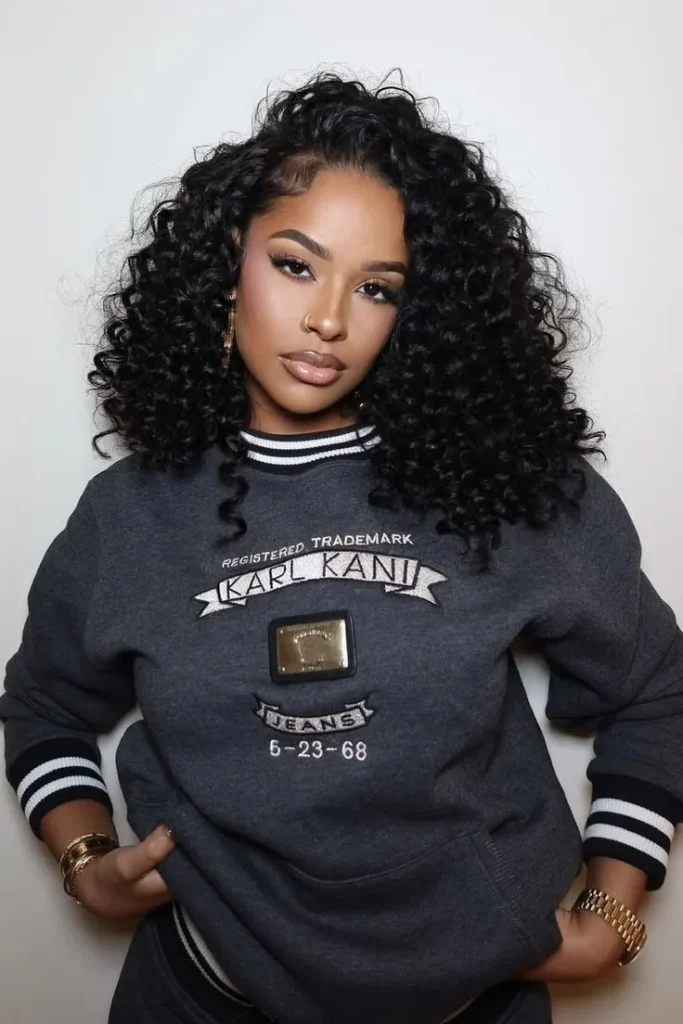
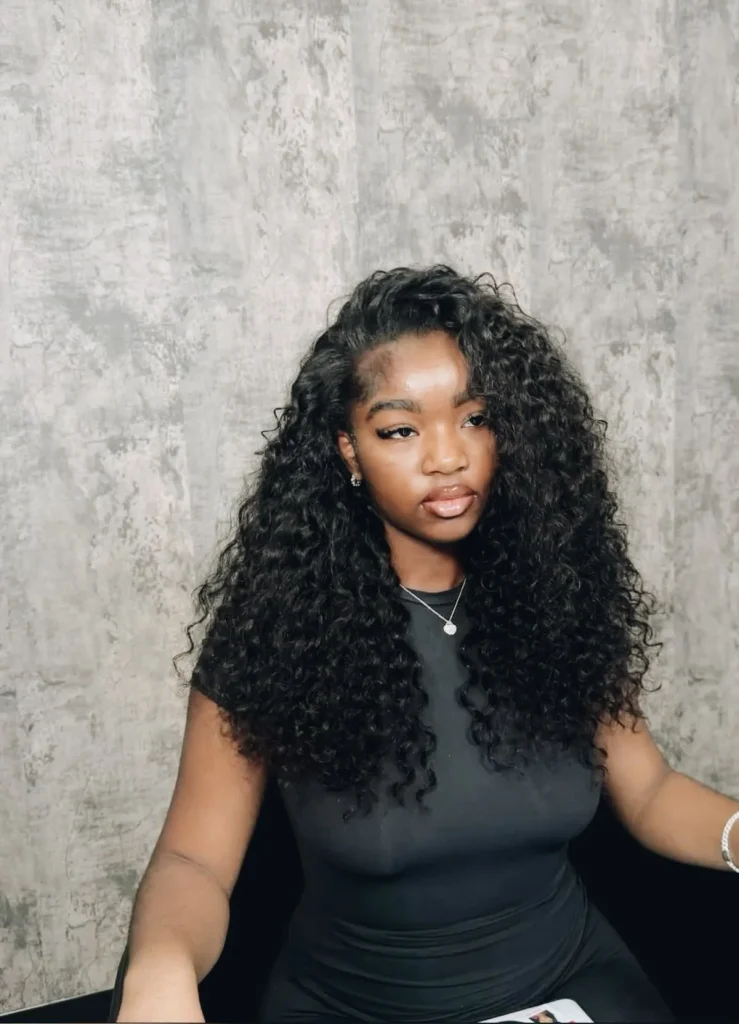
Curl pattern sets the mood. Loose, beachy waves feel soft, romantic, and low-maintenance, a wonderful starting point if you are new to curly extensions. A defined spiral curl gives you that classic, springy bounce with plenty of body. A tight, coily texture offers the most volume and a beautiful natural look, especially on deeper curl patterns, though it asks for a touch more moisture to stay defined.
Length should flatter, not overwhelm. A curly bob that hits at the chin or collarbone is youthful, easy to manage, and frames the face gorgeously. It is my most-requested length for clients over fifty. Mid-length curls grazing the shoulders give you versatility for updos. Longer curls are stunning, but remember that length adds weight and can drag curls into looking limp, so I usually suggest mid-length as the sweet spot for fine hair.
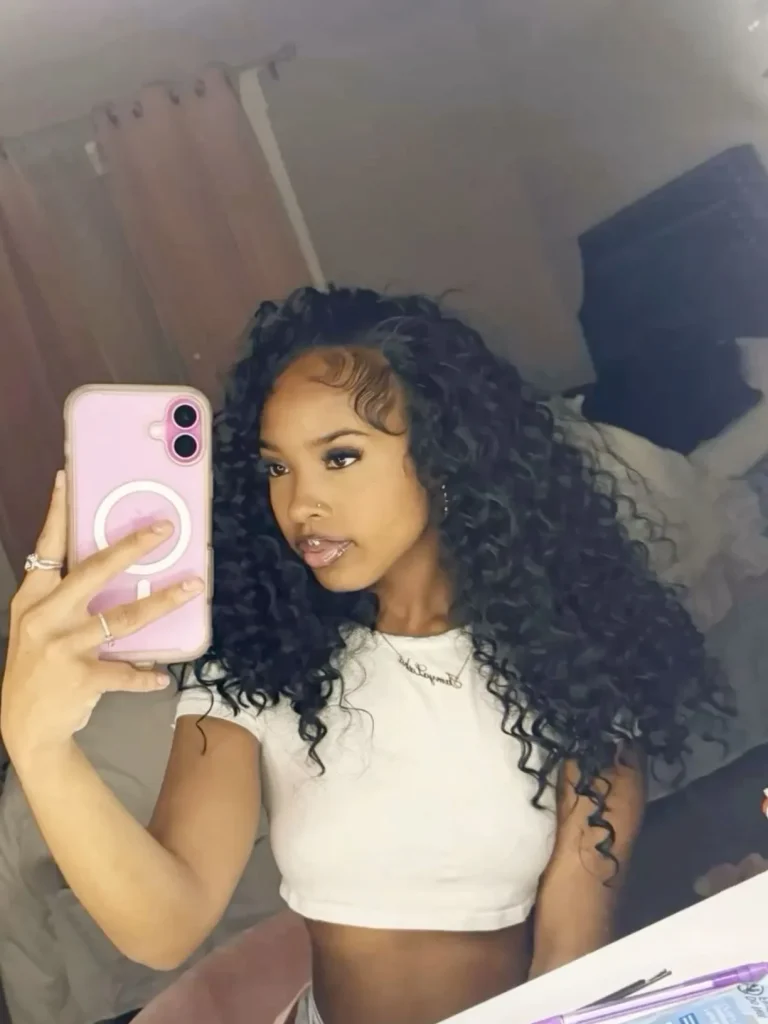
Density is the quiet detail that makes or breaks a look. Lighter-density bundles move more naturally and feel comfortable, while ultra-thick bundles can look heavy or wig-like on a mature face. When in doubt, less density reads more natural and sits more lightly on your edges. If you are gathering ideas before your appointment, take a few minutes to browse our full curly flip over quick weave gallery, because seeing different patterns and lengths side by side makes it so much easier to picture what you want and to explain it clearly to your stylist.
Color Options That Flatter Mature Skin
Color is where I love to have a little fun, because the right shade can take years off a face faster than almost anything else. With a quick weave you get to experiment freely, with no commitment and no chemical processing on your own hair.
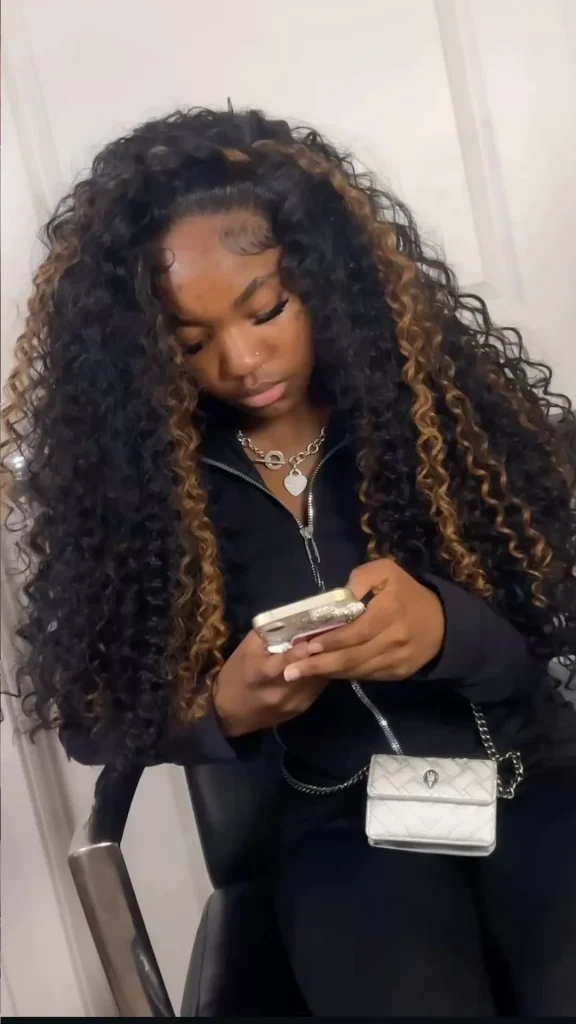
For a natural, everyday look, soft browns and rich espresso tones are endlessly flattering and easy to match to your real hair. If you want dimension, ask for bundles with subtle balayage or face-framing highlights, because that gentle play of light mimics how hair naturally lightens around the face and instantly looks more youthful. Warm shades such as caramel, honey, golden brown, and soft auburn bring radiance to skin that has lost a little of its glow, and I find these especially beautiful on warm and olive undertones. For cooler complexions, a cool brown or a smoky chestnut keeps things sophisticated.
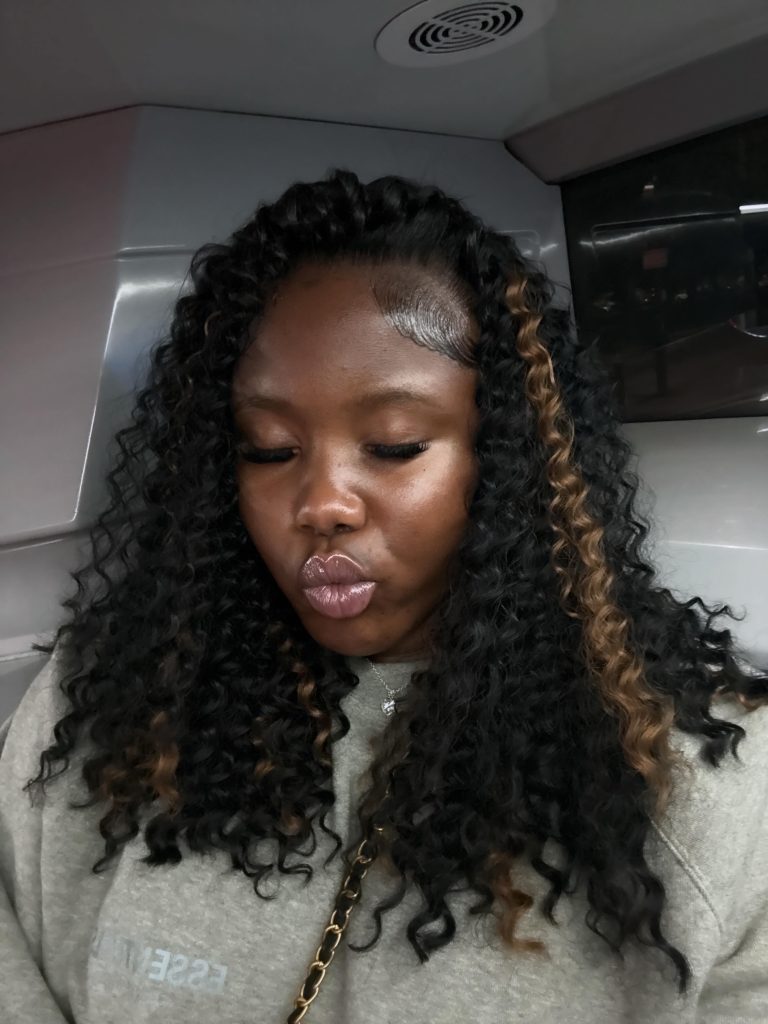
A money piece, meaning two brighter sections framing the face, is one of my favorite low-effort tricks for mature clients. It lights up the eyes and softens the features without committing to all-over color. And let us talk about silver and gray, because going curly does not mean hiding your gray. Salt-and-pepper and soft silver bundles are absolutely stunning in a curl, and a curly texture makes gray look intentional, polished, and chic rather than aging. If you have embraced your natural silver, a matching curly quick weave gives you all the volume with none of the color clash.
Best Curly Flip Over Quick Weave for Your Face Shape
A flattering curly style is really about balance, using curls to soften, lengthen, or add width exactly where your face needs it. Here is the quick guide I give every client.
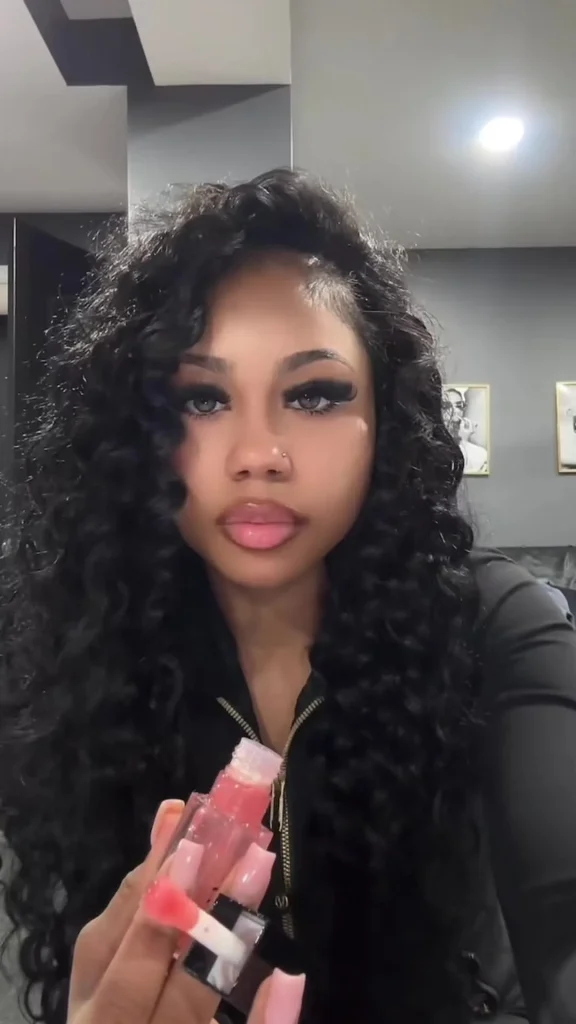
- Round face: Add height at the crown and keep some length so the shape gently elongates. A side part with curls falling just past the chin draws the eye downward.
- Oval face: Lucky you, almost everything works, from a curly bob to long spirals and any part you like.
- Square face: Soften a strong jaw with curls that curve inward around the face, and avoid blunt, heavy shapes.
- Heart-shaped face: Balance a wider forehead with fullness at the jaw and chin. A chin-to-collarbone curly length adds width where you want it.
- Long or oblong face: Build width at the sides rather than height on top. A rounded, shoulder-grazing curly shape with a side part softens a longer face.
- Diamond face: Add a little volume at the forehead and around the chin to balance prominent cheekbones with soft, face-framing curls.
If you are ever unsure, hold a few curls up to your face in the mirror and notice where your eye lands. The goal is for the curls to draw attention to your best features and create a soft, balanced frame, and curls are remarkably good at exactly that.
Curly Flip Over Quick Weave for Women 40, 50, and 60+
This is the section I am asked about most, so let me speak directly to each decade, because what flatters and feels right really does shift over time.
In Your 40s
Your forties are the perfect time to experiment. Your hair may just be starting to thin slightly or lose a little shine, and a curly flip over quick weave is a fantastic way to add fullness while you figure out what you love. This is the decade to play with dimensional color and a few different lengths. A mid-length spiral with caramel balayage and a soft side part is a look I install again and again for this age group, and it reads modern and vibrant.
In Your 50s
By your fifties, moisture becomes the priority, both for your natural hair underneath and for your curly bundles, since drier hair loses curl definition fastest. I lean toward soft, defined curls in a flattering chin-to-shoulder length, with face-framing pieces that gently lift the features. This is also a wonderful time to consider blending in your gray with dimensional or silver-toned bundles. Comfort matters more now, so I keep density moderate and avoid anything that tugs at the edges.
In Your 60s and Beyond
In your sixties and seventies, I prioritize ease, comfort, and elegance. A shorter curly bob or soft, rounded curls are endlessly chic, beautifully low-maintenance, and gentle on more delicate hair and scalp. Lighter-density bundles keep the style feeling weightless and comfortable to wear all day. Silver and salt-and-pepper curls at this stage are simply gorgeous, soft and sophisticated and full of personality. The key at every age is protecting your natural hair and edges, never leaving the install in too long, and treating your scalp with a little extra tenderness.
No matter your decade, the principles stay the same: choose a length and density that flatter and feel comfortable, keep moisture high, protect your own hair, and wear your curls with confidence. Age has nothing to do with whether you can pull off a head of beautiful curls. You absolutely can.
How to Care for Your Curly Quick Weave
A quick weave rewards good care with weeks of beautiful wear, and it protects the investment you made in your hair. Here is exactly how I tell my clients to look after one.
Be gentle with water. Because the wefts are bonded, you do not want to soak a quick weave the way you would a sew-in. Co-wash sparingly, focus shampoo on the scalp you can reach, rinse carefully, and make absolutely sure everything dries completely afterward. Trapped moisture against the cap is the enemy, because it can loosen bonds and, if it lingers, cause an unpleasant smell. I recommend a thorough air-dry or a low diffuser after any contact with water.
Moisturize the curls, not the bonds. Keep your curls soft and defined with a lightweight leave-in or curl refresher, but keep heavy oils and creams away from the bonded tracks, where buildup can weaken the glue.
Protect it overnight. This is the single most important habit. Loosely gather your curls into a high, loose pineapple on top of your head and wrap them in a satin or silk scarf, or sleep in a satin bonnet. Satin prevents the friction that causes frizz and tangling, so you wake up with curls that still look fresh.
Mind your edges, and know when to take it down. Your hairline is delicate, especially as we age, so avoid heavy product or tension at the perimeter and give your edges a little nourishing oil at night. A quick weave is a short-term style, so I recommend keeping one in for no more than two to four weeks. When it is time, never pick or pull at the bonds. Use a proper bond remover to dissolve the glue gently, then deep-condition your natural hair and give it a little breather before the next install.
Frequently Asked Questions
How long does a curly flip over quick weave last?
With proper care, most last between two and four weeks. I do not recommend going longer, because buildup and trapped moisture can irritate your scalp and stress your natural hair. Think of it as a beautiful short-term style rather than something semi-permanent.
Is a quick weave damaging to my natural hair?
When it is installed correctly, with a protective cap so the glue never touches your scalp or strands, a quick weave is one of the gentler, low-tension options out there. Most damage comes from improper removal, so always dissolve the bonds with a remover rather than pulling, and give your hair a rest between installs.
Can I wash a curly quick weave?
Yes, but sparingly and carefully. Focus on gently cleansing the scalp, rinse well, and make sure everything dries completely afterward. Trapped water is what causes loosened bonds and odor, so thorough drying matters far more than frequent washing.
Will a quick weave work on thinning or fine hair?
It is actually one of my top recommendations for fine and thinning hair, because it adds wonderful fullness with very little tension. The key is choosing lighter-density bundles and protecting your edges, which are the most fragile area as we age.
How is a flip over different from using a closure?
A closure is a separate piece of lace or hair that covers the crown, while the flip over method uses your own leave-out hair flipped over the top to hide the tracks. The flip over feels more natural and shows a little of your own texture, but it does require curling your leave-out to match the bundles.
Can I wear a curly quick weave if my hair is gray?
Absolutely, and I wish more women knew this. Silver and salt-and-pepper bundles in a soft curl look incredibly elegant and modern. A curly texture makes gray read as intentional and chic, so you get all the volume with a color that beautifully complements mature skin.
Final Thoughts
After all these years, my advice comes down to this: a curly flip over quick weave is one of the easiest, most flattering ways to enjoy soft, full, joyful curls at any age. It protects your natural hair, takes the work out of your mornings, and gives you the kind of volume and movement that fine or thinning hair cannot always manage alone. Choose a curl pattern and length that flatter your face, keep your moisture up, protect the hair underneath, and wear it with confidence, because you have earned every bit of that fabulous bounce.
If this guide gave you ideas, save it to your hair board on Pinterest so it is ready the next time you are planning a fresh look, and pin your favorite curly inspiration while you are at it. Here is to your most beautiful curls yet.