

Japan Hair Color: 23 Stunning Ideas for Women Over 40
After more than two decades behind the salon chair and hundreds of hours studying hair trends from Tokyo to Osaka, I can tell you with complete confidence: Japan hair color is unlike anything else in the world of hair artistry. Japanese colorists have an extraordinary gift for blending dimension, restraint, and luminosity in ways that feel effortlessly modern — and frankly, deeply flattering for women in their 40s, 50s, and 60s. Whether you’re drawn to the silky cool-toned ash shades that dominate Tokyo street style or the warm, earthy caramels that recall traditional Japanese aesthetics, there’s a Japanese-inspired color waiting to transform how you feel about your hair.
In this guide, I’m sharing 23 of my favorite Japan hair color ideas, curated especially for mature women. I’ll walk you through the techniques, the best shades for different skin tones and face shapes, and age-specific advice so you can walk into any salon knowing exactly what you want. If you love Japanese hair inspiration as much as I do, you’ll also want to save this guide on Japan curly hair and Japan short hair — both packed with ideas for your next appointment.

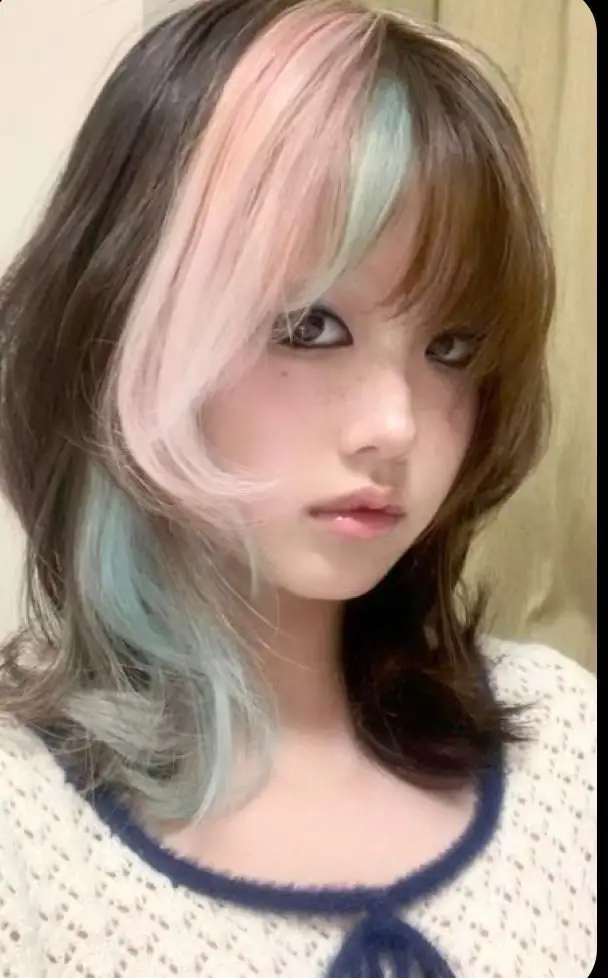
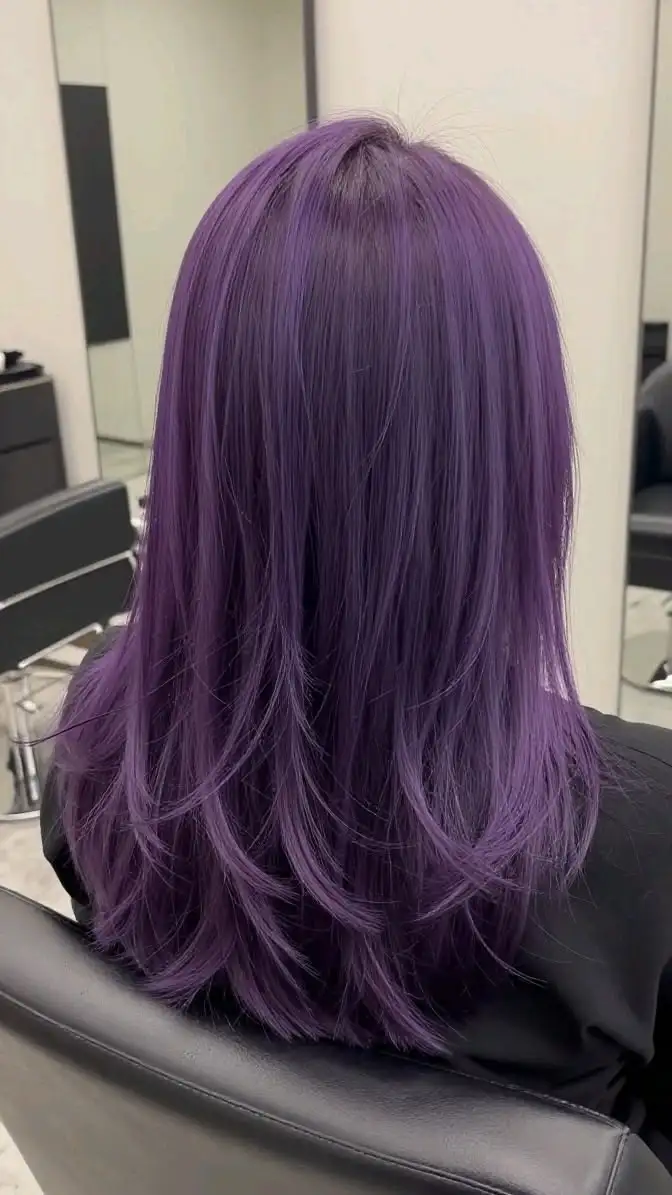
What Makes Japan Hair Color So Special?
If you’ve ever scrolled through Japanese hair inspiration and felt a quiet awe at how luminous and intentional every shade looks, you’re not imagining it. Japanese color philosophy is rooted in the concept of wabi-sabi — finding beauty in naturalness, subtlety, and imperfection. That translates into hair color that honors your natural base rather than fighting against it. Japanese colorists are masterful at creating tones that look as though the light simply loves your hair.
There are a few hallmark techniques that define Japan hair color. Kireaji (a Japanese concept meaning clean edge or clarity) is applied to coloring through precise, high-definition blending where every strand looks intentional. Ombre and sombre (soft ombre) are beloved for their seamless root-to-tip transitions. Ash toning is perhaps the most iconic element — Japanese salons are known worldwide for their ability to achieve the perfect cool, muted, smoky finish on even the darkest hair. And honey balayage, a warmer interpretation of Japanese color, uses golden and amber tones to create that sun-kissed depth so popular in Kyoto-inspired aesthetics.
What all of these have in common is a rejection of harsh lines and artificiality. For women over 40, this is genuinely good news. As our hair becomes finer, our skin tone shifts, and grays begin weaving in, the soft, dimensional approach of Japanese coloring is one of the most flattering frameworks available to us. It works with change rather than trying to erase it.
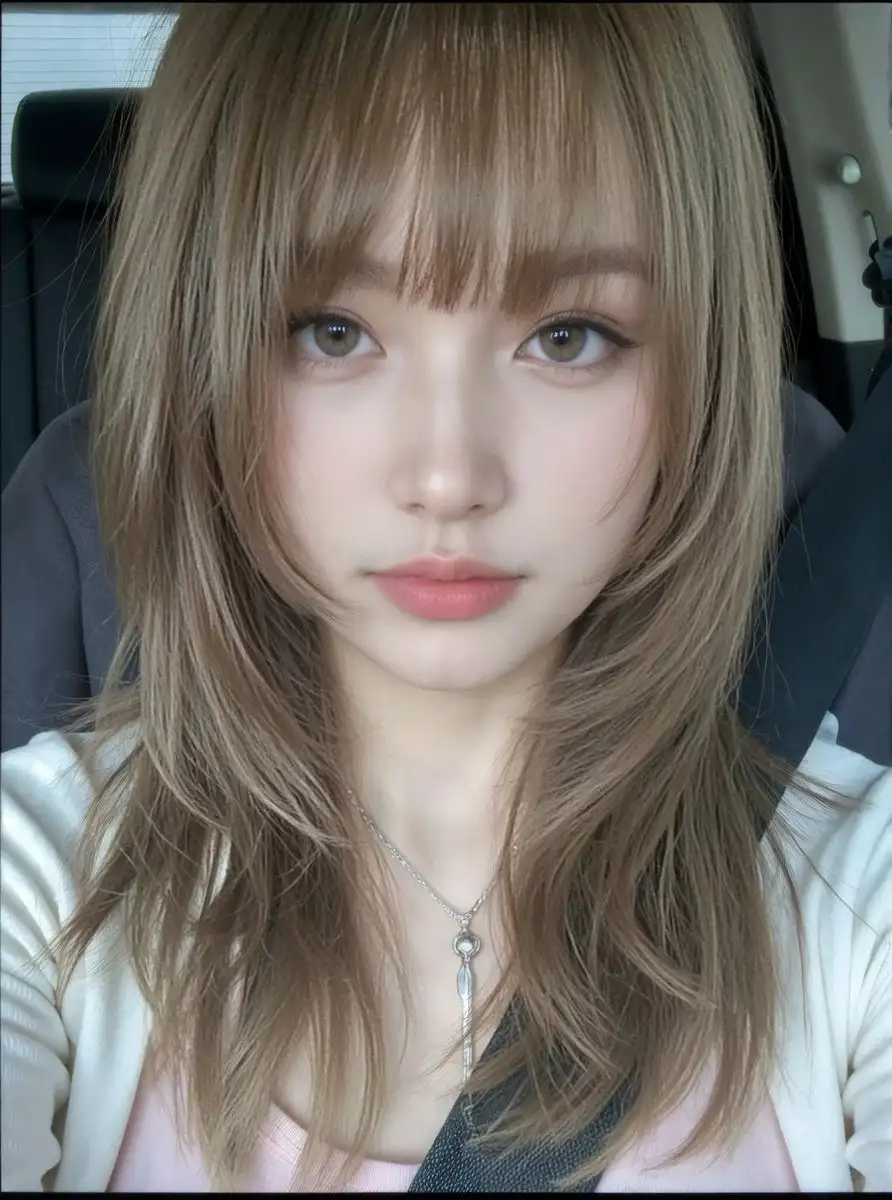
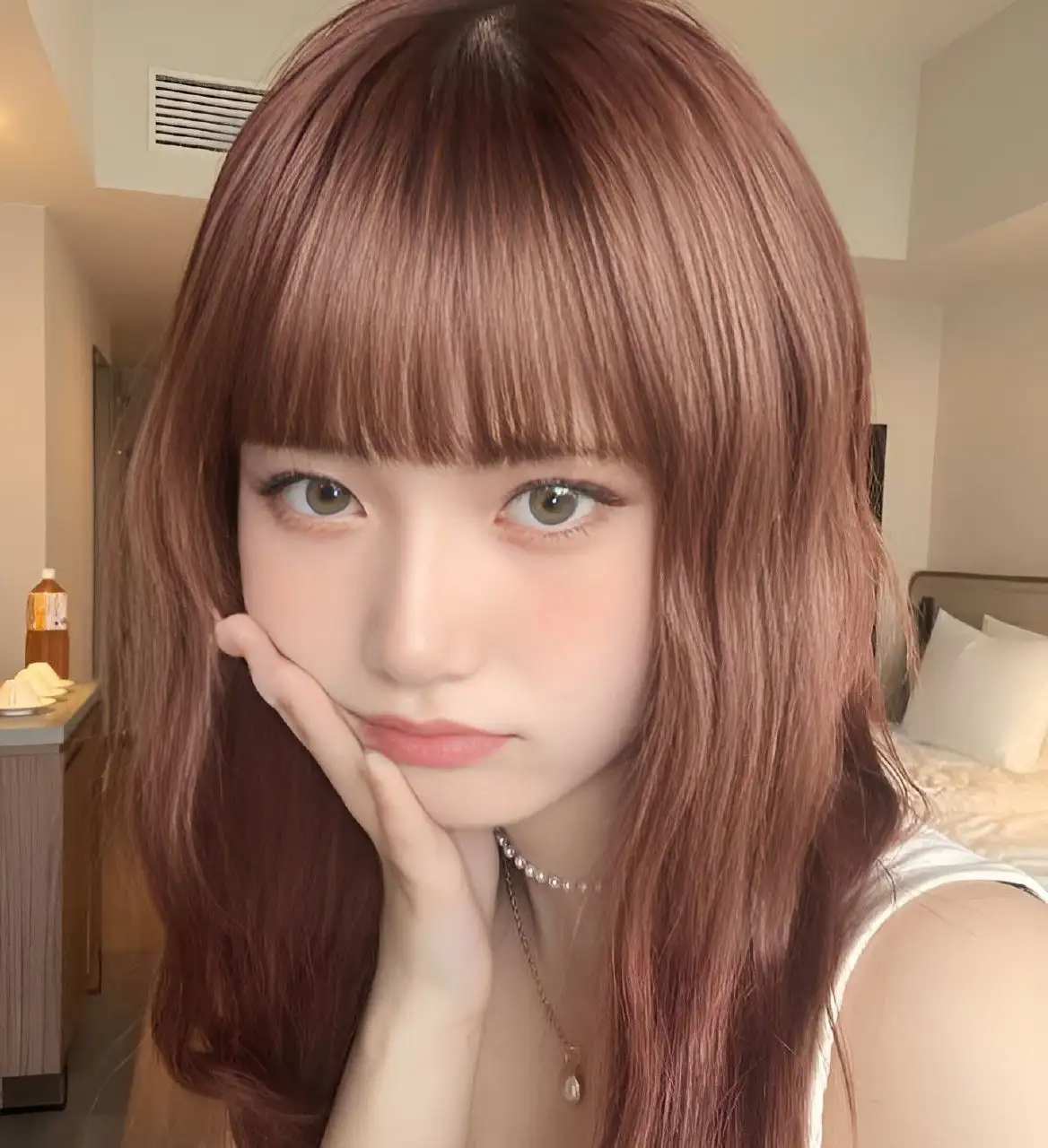
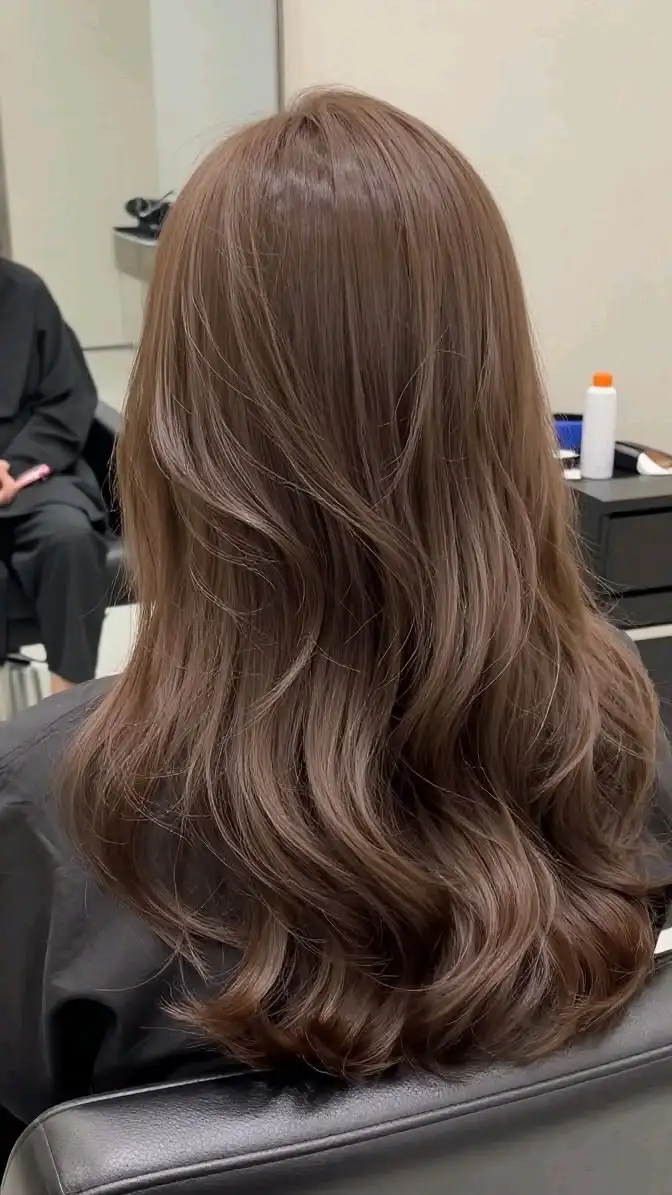
The Most Popular Japan Hair Color Shades for Mature Women
Let me share the shades I recommend most often to my clients who are inspired by Japanese hair color trends. These aren’t just beautiful — they’re strategically chosen for how they interact with mature skin tones, fine hair, and natural gray patterns.
1. Ash Brown with Silver Highlights
This is the shade I call the “Tokyo Classic” in my salon. A cool-toned ash brown base with delicate silver highlights woven through creates a multi-dimensional effect that makes gray hair look intentional and chic rather than accidental. For women who are transitioning away from full color coverage, this is an elegant bridge. The silver strands echo your natural grays, making grow-out seamless.
2. Chocolate Brown Balayage
Rich, warm, and deeply dimensional, chocolate brown balayage is one of the most requested Japan hair color styles I see. The Japanese interpretation is softer than traditional balayage — the highlights are blended until there’s no discernible starting point, creating that beautiful lived-in warmth. On darker natural bases, this adds incredible depth. On lighter or gray bases, it creates a striking contrast that photographs beautifully.
3. Honey Blonde Ombre
If you’re craving something lighter and luminous, honey blonde ombre is a gorgeous choice. Starting dark at the roots and melting into a warm golden honey at the ends, this style looks particularly stunning on shoulder-length and longer hair. It adds movement and brightness around the face — which is a natural light-lifting trick that works wonders for women over 40.
4. Cool Ash Blonde
Japanese salons are truly unmatched at cool ash blonde. The tone is smoky, sophisticated, and never brassy — achieved through careful toning protocols that most Western salons simply don’t prioritize. For fair-skinned women, this shade is ethereally beautiful. For olive or deeper skin tones, the contrast is striking and modern.
5. Soft Copper with Dark Roots
Copper tones have a warmth that is universally flattering — and when paired with intentional dark roots in the Japanese style, the result is sophisticated rather than edgy. This is a particularly beautiful choice for women with warm or golden undertones in their skin. The contrast is earthy and organic, never garish.


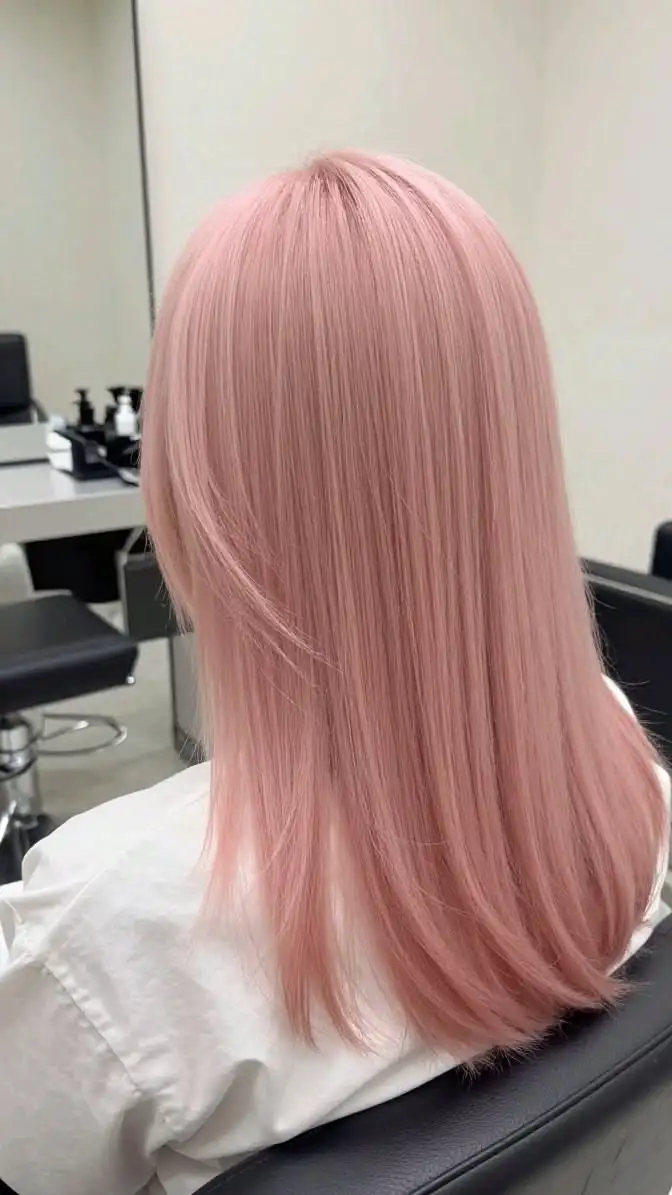
Japan Hair Color by Age: What Works Best for Your Decade
One of the things I’m most passionate about is helping women understand that hair color advice should evolve with you. What dazzles at 35 might not serve you as beautifully at 55 — and that’s not a limitation, it’s an invitation to refine your look. Here’s my age-by-age guide to Japanese-inspired hair color.
Japan Hair Color for Women in Their 40s
Your 40s are a fantastic decade for experimenting with Japan hair color. Your natural pigment is likely still strong, giving colorists a rich base to work with. I love recommending dimensional brunette balayage or warm honey ombre for this age group — both add depth and movement that keeps hair looking full and vibrant as it naturally begins to fine down.
If you’re noticing the first silvery threads appearing, don’t panic — embrace them. A skilled colorist can weave in soft highlights that blend seamlessly with your emerging grays, making the transition look intentional and polished. Ash brown with pearl highlights is my top pick for 40-something women who want to get ahead of the gray gracefully.
In your 40s, you also have the most flexibility for bolder Japanese color choices. A rich burgundy gloss, a deep plum tone, or a statement copper balayage can all be executed beautifully and maintained without overwhelming your color schedule. I recommend a gloss or toning treatment every 6–8 weeks to keep the vibrancy true.
Japan Hair Color for Women in Their 50s
The 50s are when I see the most powerful hair transformations in my clients. Many women in this decade are renegotiating their relationship with their hair entirely — moving away from rigid full-coverage color and toward approaches that feel more authentic and low-maintenance. Japan hair color is practically tailor-made for this shift.
Cool ash toning is transformative in your 50s. As gray hair grows in and skin loses some of its rosy warmth, cool-toned ash shades create a luminous, unified quality that is unmistakably modern. I often recommend a process called shadow rooting — keeping roots intentionally dark or gray and adding soft ash highlights through the mid-lengths and ends. This dramatically reduces maintenance while creating that coveted Japanese “effortless” aesthetic.
Warm-toned women in their 50s tend to flourish in caramel and butterscotch balayage. These shades echo the golden warmth of sun-kissed skin and bring an incredible softness around the face. The Japanese technique of keeping the color subtle and buildable means you’re never stuck with a color that feels too “done” — it always reads as natural.
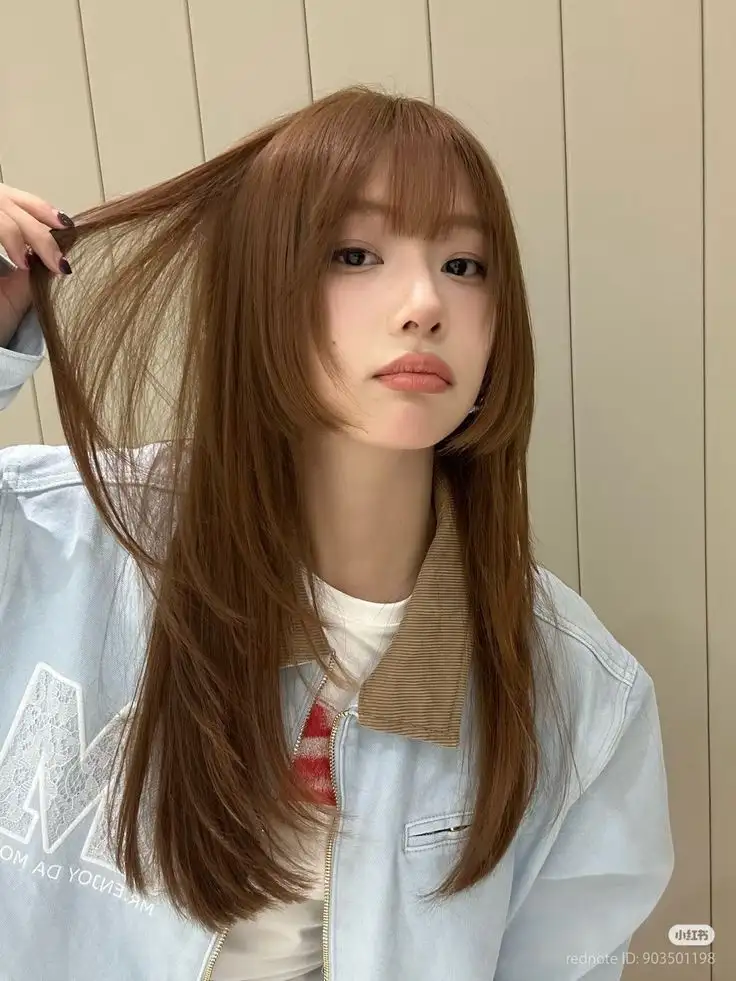
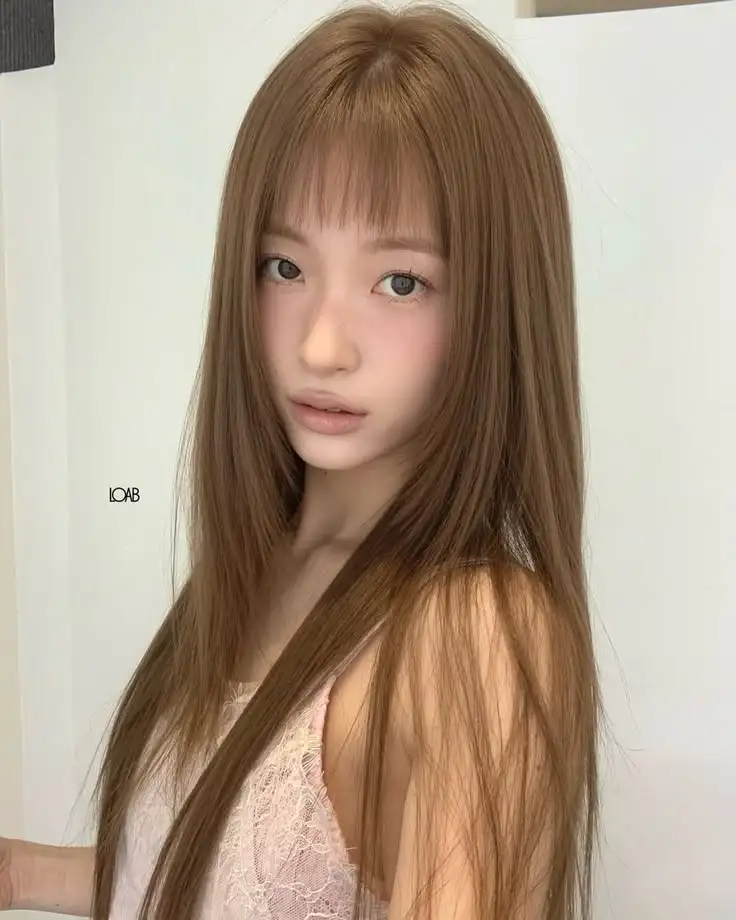
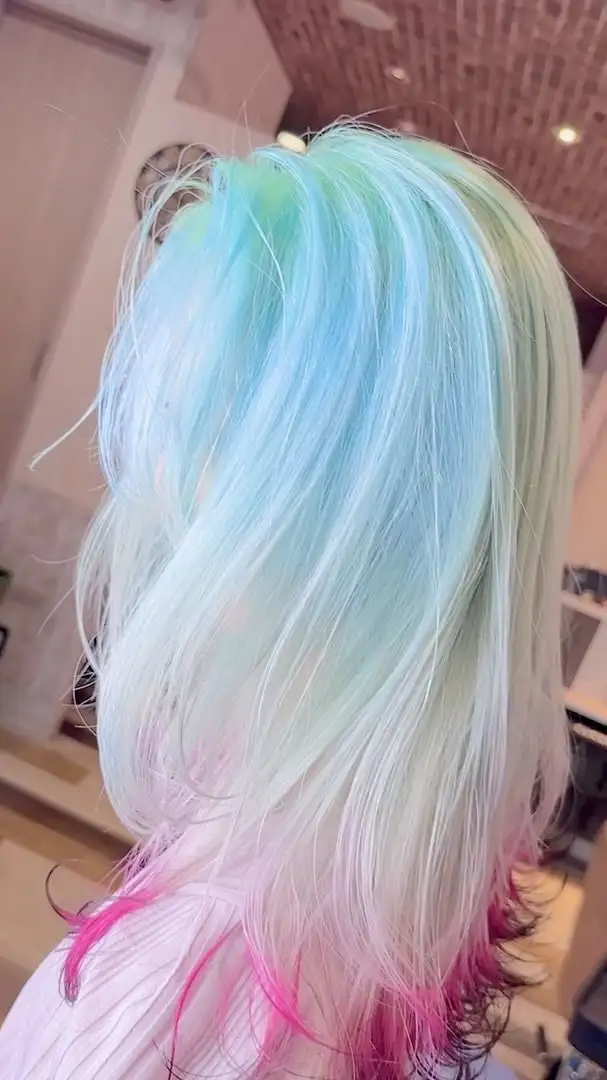
Japan Hair Color for Women in Their 60s
Here is where I get to share something I genuinely believe: your 60s can be the most stunning decade of your hair journey. Gray and silver hair — when colored and styled with intention — is one of the most striking and sophisticated looks available. Japanese colorists have pioneered what I call “silver artistry,” and it is breathtaking.
If you have predominantly gray or white hair, a violet-tinted gloss or a cool lavender toner (both beloved in Japanese salons) can add a dimensional, luminous quality that turns silver hair from flat to extraordinary. These toners are gentle, sheer, and wash out gradually — no harsh commitments required.
For women in their 60s who still want warmth, a soft apricot gloss or champagne highlights blended through silver hair creates an effect that is genuinely magical — like sunrise light catching in each strand. I’ve had clients in their late 60s who walked out of the salon looking ten years more vibrant, simply because we worked with their natural silver rather than against it.
The most important advice I give my 60+ clients: prioritize condition over color intensity. Japanese haircare philosophy places enormous value on the health and texture of the hair. A beautifully conditioned silver or ash brunette always looks more youthful than an aggressively dyed dark shade on hair that has lost its luster.
Japan Hair Color by Face Shape
Color placement is a powerful sculpting tool, and Japanese colorists are masters at using it. Here’s how I advise using Japan hair color techniques to complement different face shapes.
Oval face shapes are the most versatile — you can carry almost any Japan hair color style beautifully. I particularly love face-framing highlights in honey or copper tones for oval faces, as they draw attention to the symmetry of your features.
Round face shapes benefit from color that creates vertical length. I recommend keeping the darkest tones at the sides (which visually recedes width) and the lightest, most luminous shades along the top and front sections. A cool ash top with deeper sides is a classic Japanese technique that works beautifully here.
Square face shapes are softened by warm, golden tones concentrated around the face. Soft copper or butterscotch face-framing pieces in the Japanese sombre style are exceptional for this face shape — they draw the eye inward and downward, creating a more oval impression.
Heart face shapes look stunning with color that adds visual weight at the jaw and neckline. A slightly darker, richer tone at the ends rather than the classic lighter-ends ombre is an elegant choice. Rich chocolate or ash brown at the tips creates that necessary balance.
Long face shapes are complemented by horizontal color movement. Horizontal highlights or a strong contrast between dark roots and lighter mid-lengths (stopping before the ends) visually breaks up the length in a flattering way.
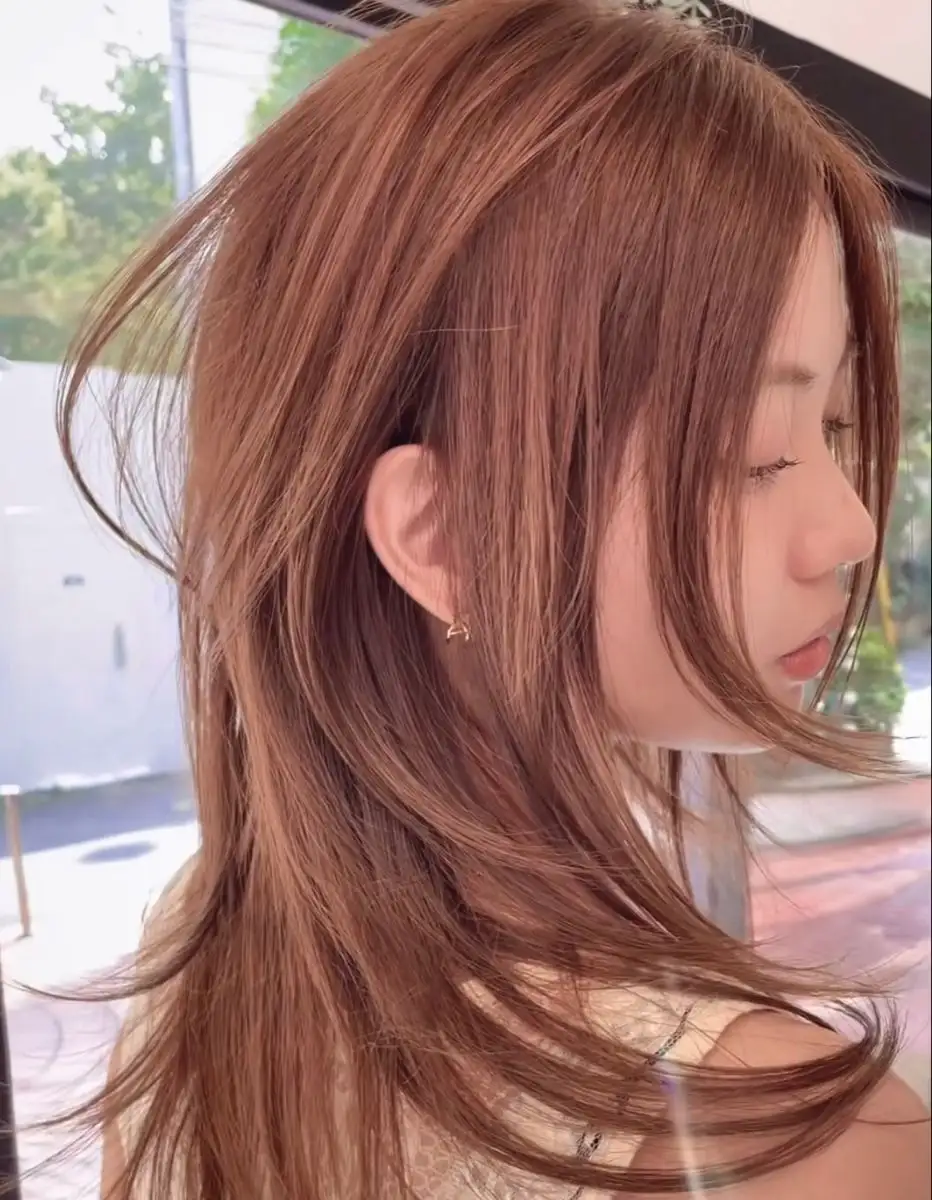
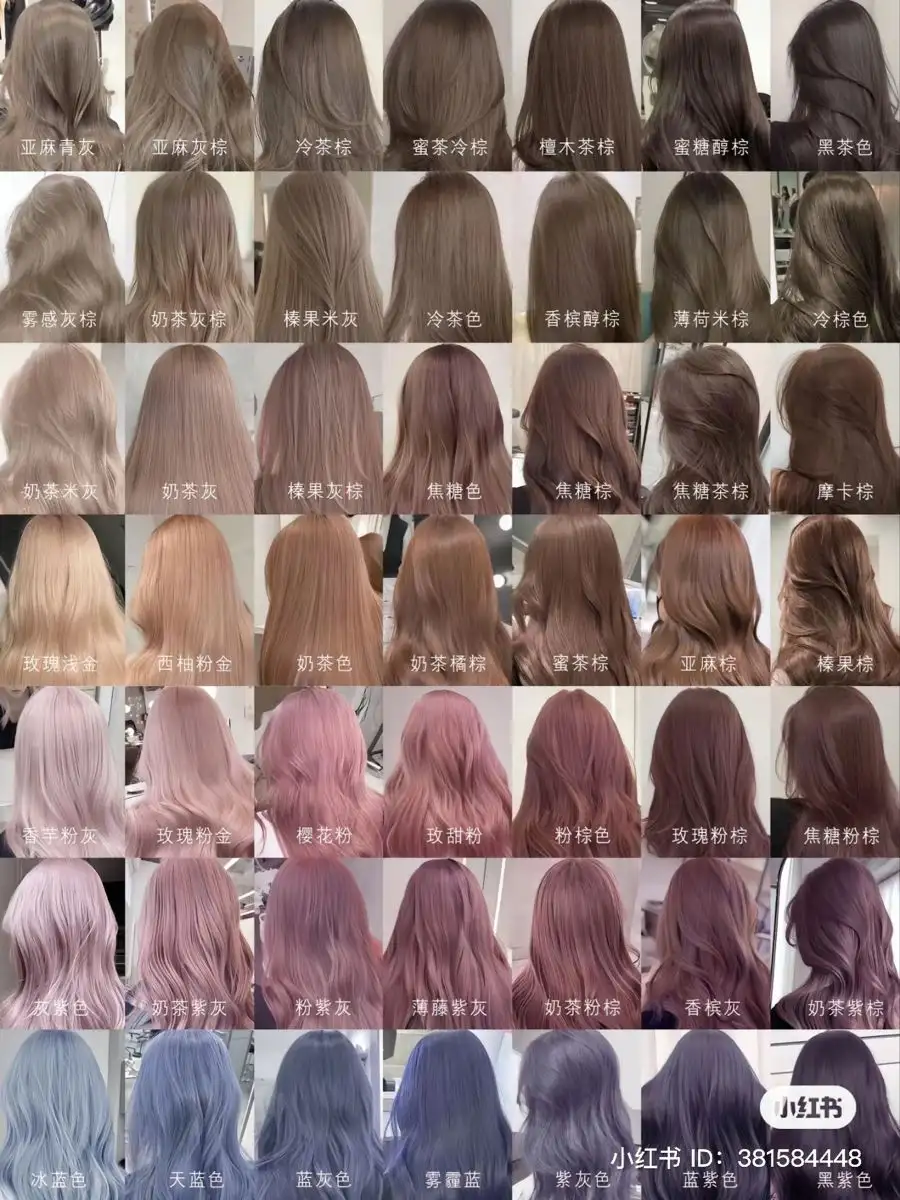
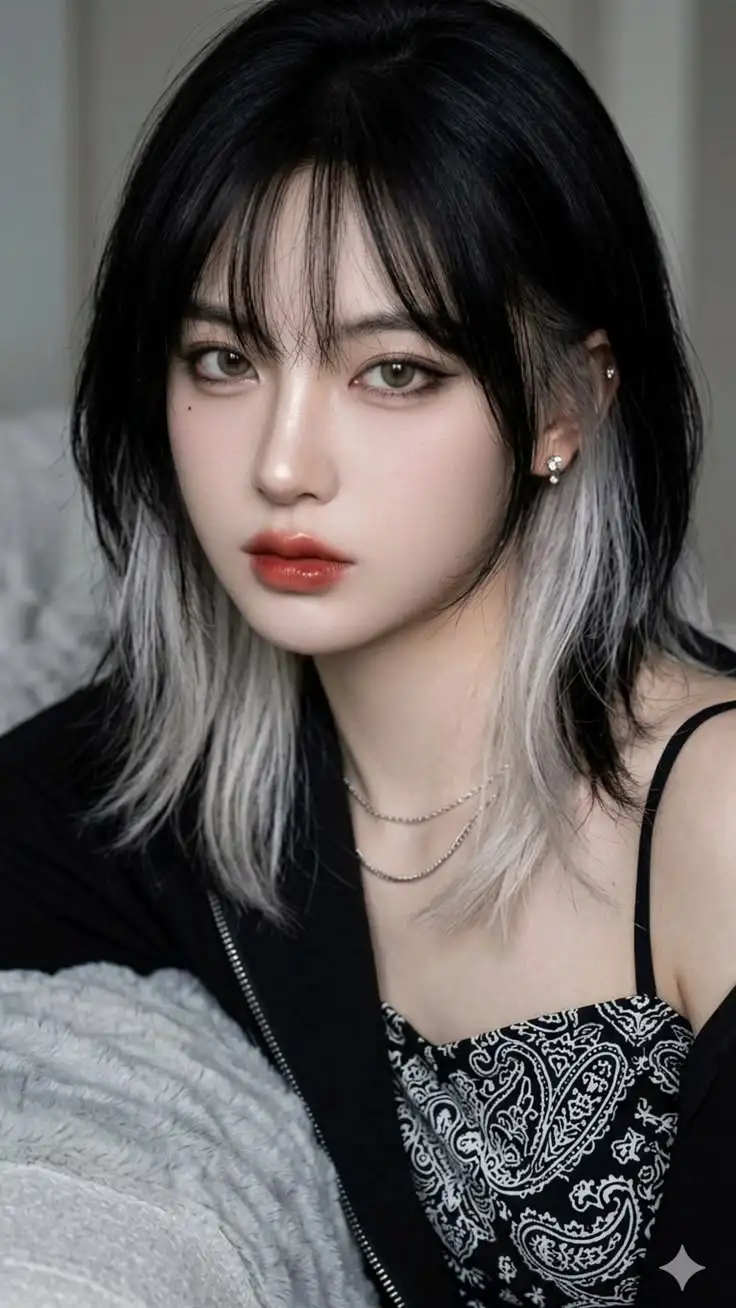
Japanese Hair Coloring Techniques Explained
Understanding the techniques behind Japan hair color helps you have better conversations with your colorist and set more realistic expectations. Here are the most important methods to know.
Balayage (Japanese Style)
While balayage originated in France, Japanese salons have refined it into something uniquely their own. The Japanese approach uses less product per section and blends more meticulously, creating a result that is softer and more natural than the chunky highlights that characterized Western balayage in the early 2010s. The grow-out is seamless — many of my clients go 4–6 months between appointments without any awkward regrowth visible.
Ash Toning
Japanese salons use ash toners in ways that most other salons don’t. Rather than applying a single flat toner, skilled Japanese colorists layer cool and neutral tones to create a multi-dimensional ash effect that changes slightly in different lighting conditions. This is the secret behind that almost iridescent quality you see in Tokyo hair color photos.
Glossing and Glazing
Glosses and glazes are semi-permanent color treatments that add shine, vibrancy, and tonal richness without the commitment of full permanent color. In Japan, these are used not just for color but as a regular conditioning treatment. For women over 40 whose hair may have lost some of its natural sheen, a gloss treatment every 6–8 weeks is genuinely one of the best investments you can make. It’s gentle, fast, and the results are immediate.
Shadow Root Technique
This is the Japanese technique I wish more Western clients knew about. Rather than fighting your root grow-out, shadow rooting intentionally creates a slightly darker, softer root that blends naturally into your color. It looks expensive, it’s low-maintenance, and it dramatically reduces the anxiety around root touch-ups. For mature women growing out color or embracing more gray, this is a true game-changer.
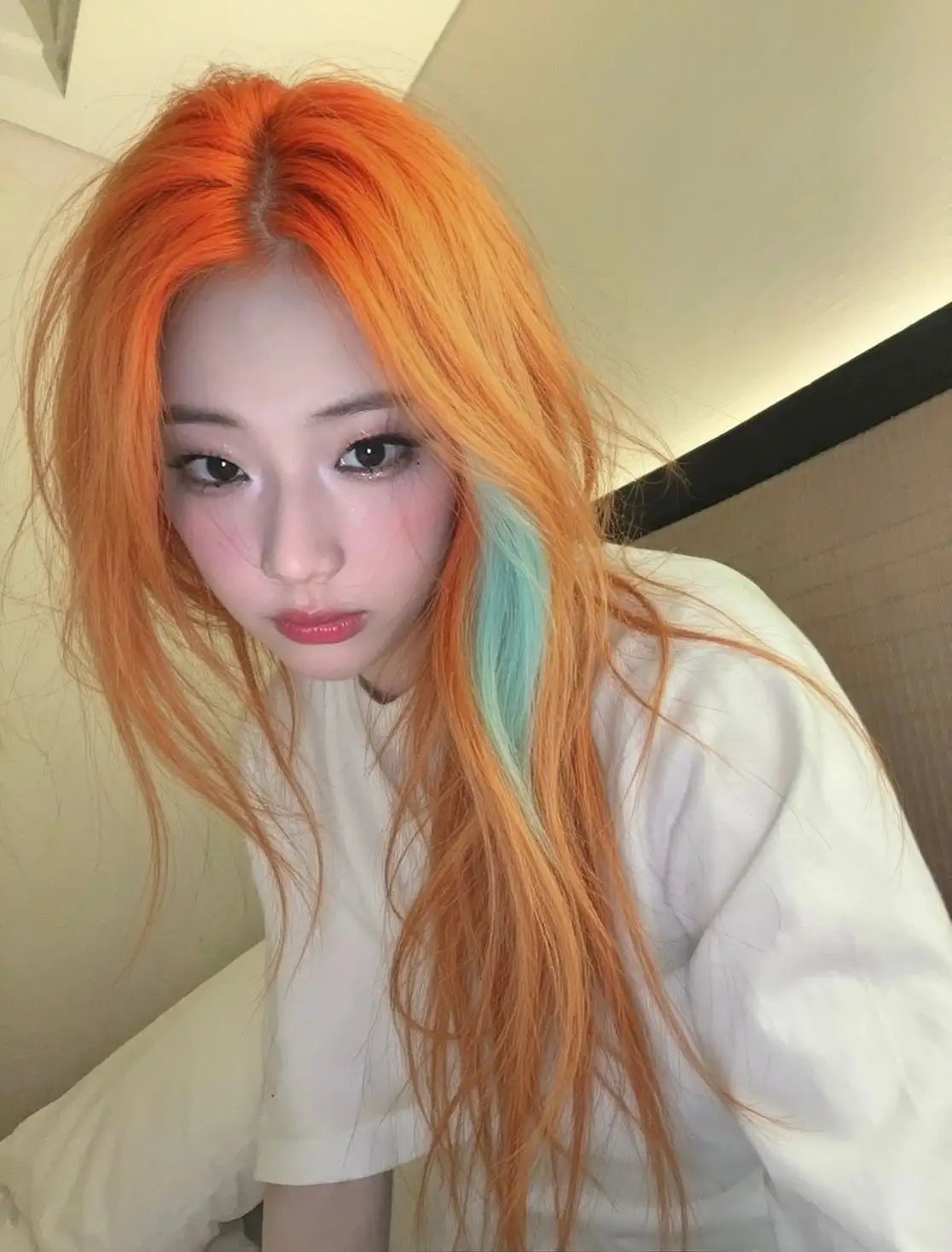

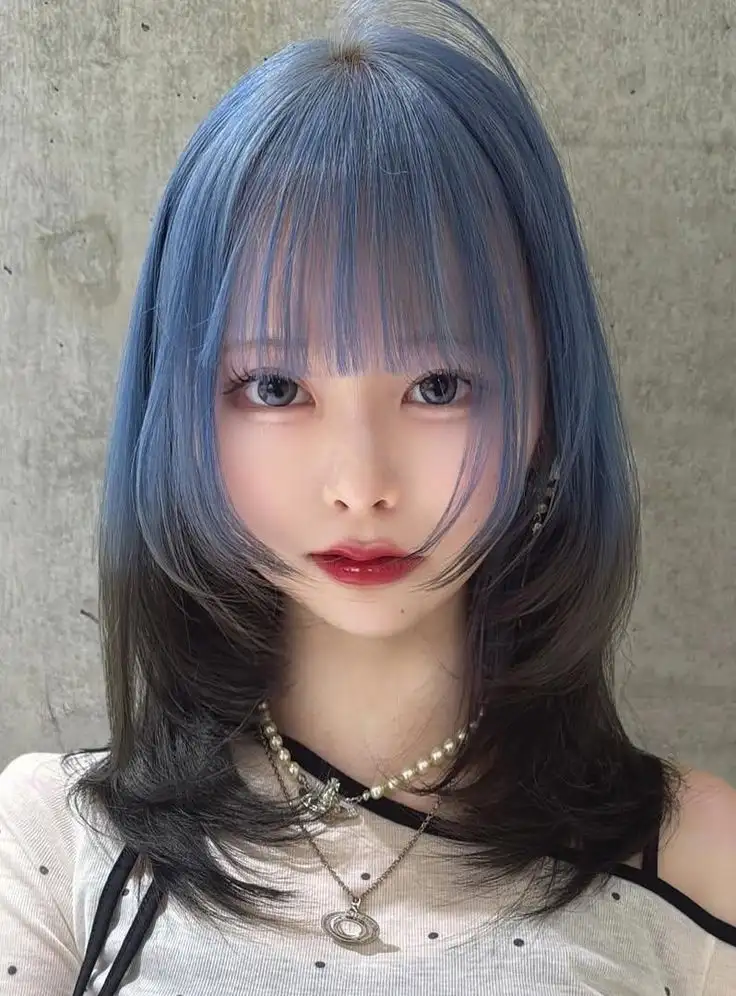
How to Care for Japan Hair Color at Home
One of the things I love most about recommending Japanese coloring techniques is that they’re typically gentler on the hair than their Western counterparts. But that doesn’t mean you can skip home care — particularly for women over 40, whose hair may already be dealing with hormonal changes, dryness, or increased fragility.
Use a color-safe, sulfate-free shampoo. Sulfates strip color molecules and contribute to premature fading. Japanese haircare brands like Shiseido, TSUBAKI, and Milbon are formulated specifically for color-treated hair and are worth seeking out. They also tend to be deeply nourishing — a bonus for mature hair.
Wash hair in cool or lukewarm water. Hot water opens the cuticle and accelerates color fade. I know a hot shower feels wonderful, but rinsing your hair in cooler water makes a significant difference in longevity.
Deep condition weekly. Colored mature hair needs moisture above almost everything else. Japanese hair masks — particularly those containing camellia oil, rice water, or keratin — are exceptional. Apply from mid-length to ends, leave for 10–15 minutes, and rinse thoroughly.
Use a violet or blue toning shampoo. If you’re wearing ash or cool-toned Japan hair color, a purple shampoo used once or twice a week neutralizes brass and keeps your color looking fresh and salon-perfect between appointments.
Protect from UV and heat. Sun exposure and styling heat are the two biggest enemies of color longevity. A UV-protective spray and a good heat protectant are non-negotiable. Japanese salons often recommend wearing a hat or UV-blocking hair mist during summer — a habit worth adopting regardless of where you live.
And if you love the texture and movement of Japanese-inspired styles, you’ll find plenty of complementary styling ideas in our guide to Japan short hair — a wonderful companion to this color collection.
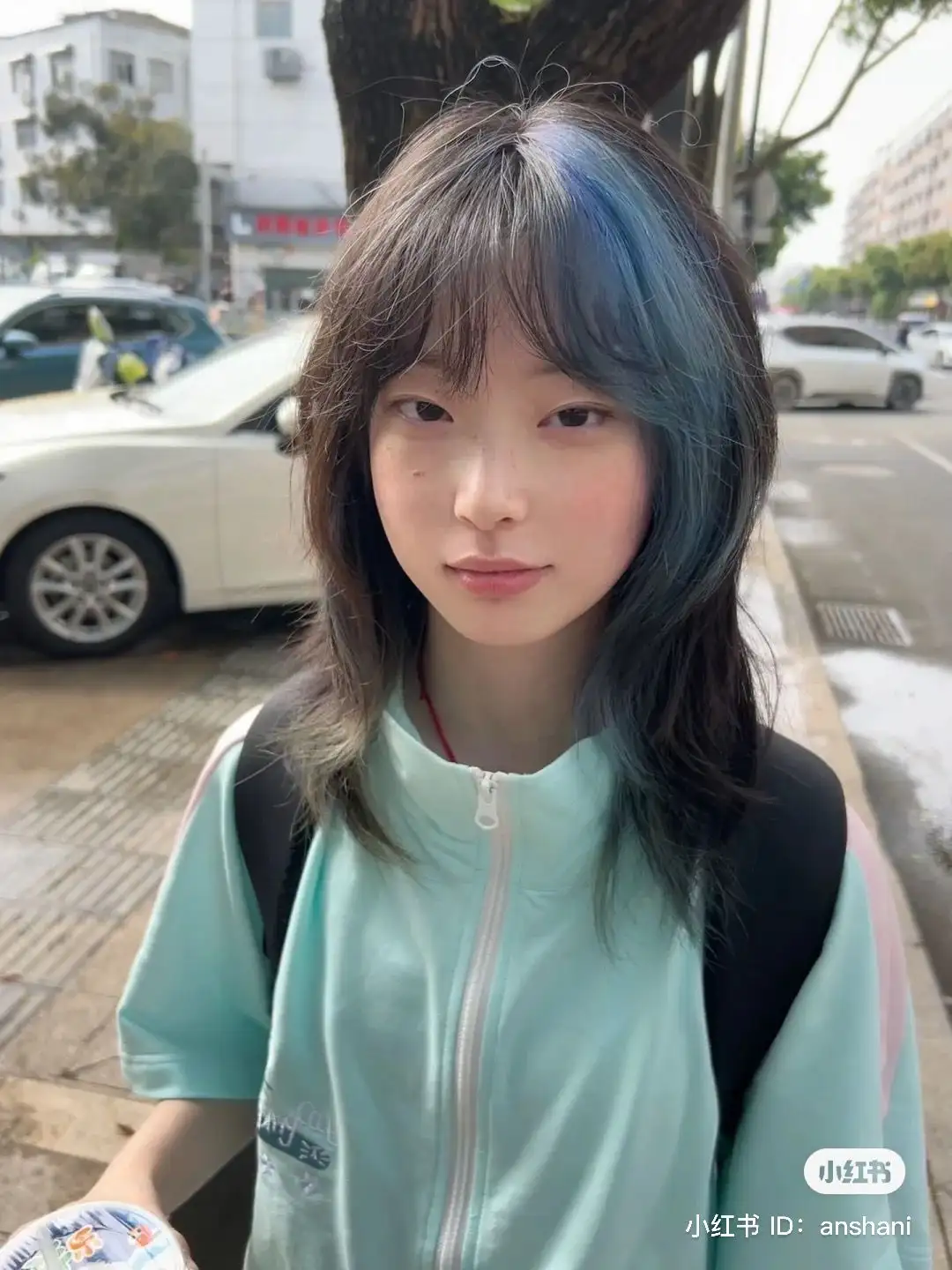
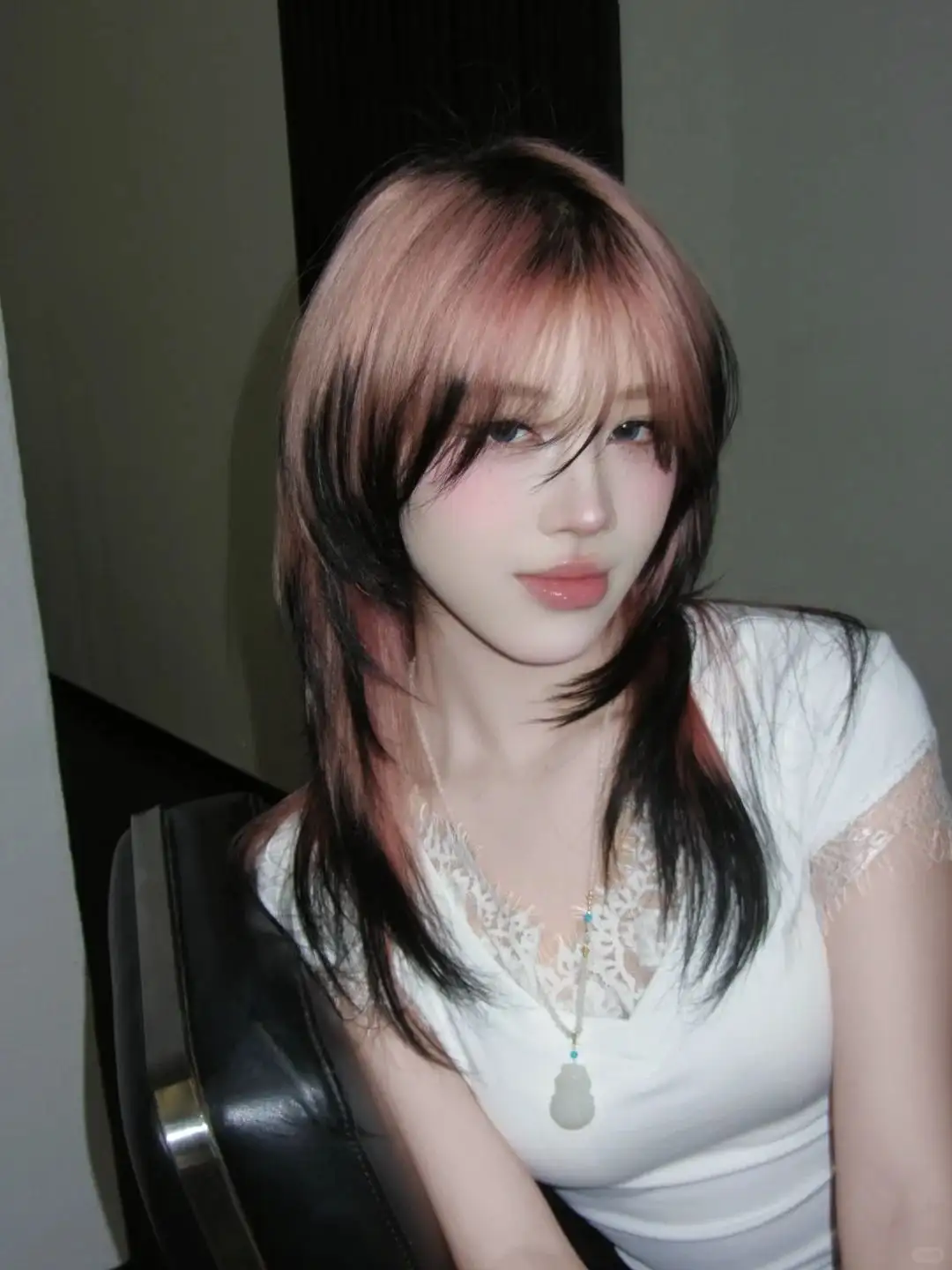
Choosing the Right Japan Hair Color for Your Skin Tone
No hair color conversation is complete without talking about skin tone. This is one of the areas where Japan hair color really shines — because Japanese colorists approach skin tone analysis with remarkable precision. Here’s how to apply those principles to your own coloring decisions.
Cool skin tones (pink, rosy, or bluish undertones) look exquisite in cool Japan hair color shades: ash brown, cool espresso, silver-blonde, or soft platinum. These shades harmonize with the blue-pink undertone in your skin and create an elegant, polished effect. Avoid anything too warm or brassy — it can make cool-toned skin look sallow.
Warm skin tones (golden, peachy, or yellow undertones) are beautifully complemented by the warmer palette of Japan hair color: honey blonde, caramel balayage, copper, and warm auburn. These shades echo the warmth in your skin and create a sun-kissed, cohesive look that is deeply flattering. Avoid very cool ash tones, which can make warm skin look washed out.
Neutral skin tones are the most versatile — you can successfully wear both warm and cool Japan hair color shades. My recommendation? Let the season guide you. Cooler ash tones are lovely in autumn and winter; warmer honey and caramel shades sing in spring and summer. Changing your gloss or toner seasonally is a Japanese technique that keeps your hair color feeling fresh and current year-round.
Frequently Asked Questions About Japan Hair Color
Is Japan hair color suitable for women over 50 with fine hair?
Absolutely — and in many ways, it’s ideal. Japanese color techniques like balayage and glossing are significantly gentler than traditional full-color applications, which means less damage to already delicate mature hair. The dimensional nature of Japanese color also creates the appearance of more volume and texture, which is a very welcome effect for fine hair. I’d specifically recommend a soft balayage or gloss treatment over all-over permanent color for fine-haired women in their 50s.
How often should I touch up Japan hair color?
One of the great advantages of Japanese coloring is the reduced maintenance schedule. For balayage and ombre styles, many of my clients go 3–4 months between appointments — sometimes longer with good home care. For glossing and toning treatments, every 6–8 weeks keeps the tone vibrant. If you’ve opted for shadow rooting to blend gray, you may find you only need two or three salon visits a year. This is genuinely one of the most time- and cost-efficient color approaches for mature women.
Can I achieve Japan hair color on gray or white hair?
Not only can you — it can be absolutely spectacular. Gray and white hair takes color differently than pigmented hair, but Japanese colorists have mastered this. Toning treatments on gray hair produce the most vibrant, jewel-like results — a violet tone on silver hair, for example, is truly stunning. Balayage over gray creates dimensional contrast that looks incredibly modern and intentional. If you’re navigating gray hair and wondering whether Japanese color can work for you, the answer is a resounding yes.
What’s the difference between Japanese balayage and regular balayage?
The key differences lie in precision, blending, and toning. Japanese balayage uses smaller, more strategically placed sections that are painted with greater feathering at the roots, producing a softer, more natural finish. The toning step is also more elaborate — Japanese colorists often apply two or three different toners to achieve the precise cool, warm, or neutral balance they’re after. The result is more nuanced and multi-dimensional than standard balayage, and it tends to grow out more gracefully.
Are Japanese hair dyes and products better for mature hair?
Japanese haircare brands are genuinely worth your attention. Many Japanese hair color formulations contain ingredients like hydrolyzed keratin, camellia oil, and silk proteins that provide conditioning benefits alongside color. Japanese brands like Milbon, WELLA Japan, and Shiseido tend to prioritize hair health as part of the coloring process — not as an afterthought. For women over 40 whose hair needs both color and nourishment, these dual-purpose formulations are a meaningful step up from standard drugstore color.
How do I ask my stylist for Japan hair color?
The clearest way is to bring reference photos — ideally from Japanese hair magazines or salon social media accounts — and use specific language: “I want an ash brown balayage with a shadow root,” or “I’d love a honey ombre with a seamless blend.” You can also describe the effect you’re after: “I want something that looks very natural, with cool tones that won’t go brassy.” A good colorist will appreciate the visual and verbal direction. If your local salon isn’t familiar with Japanese techniques specifically, the concepts of soft blending, shadow rooting, and ash toning are universally understood by skilled colorists.
Final Thoughts on Japan Hair Color for Mature Women
If there’s one thing I hope you take away from this guide, it’s this: Japan hair color is not about chasing youth. It’s about refining your relationship with your hair and choosing a color strategy that truly serves where you are right now. The Japanese approach — with its emphasis on subtlety, health, and intentional beauty — aligns beautifully with how most women over 40 actually want to feel: confident, cared for, and genuinely themselves.
Whether you’re drawn to the smoky sophistication of cool ash tones, the warmth of honey balayage, or the striking elegance of a silver gloss, there is a Japan hair color style that is waiting to become yours. Bring these images to your next salon appointment, have a real conversation about your goals and lifestyle, and trust the process. I promise it’s worth it.
📌 Love these ideas? Save this collection to your Pinterest board so you always have it when inspiration strikes!