
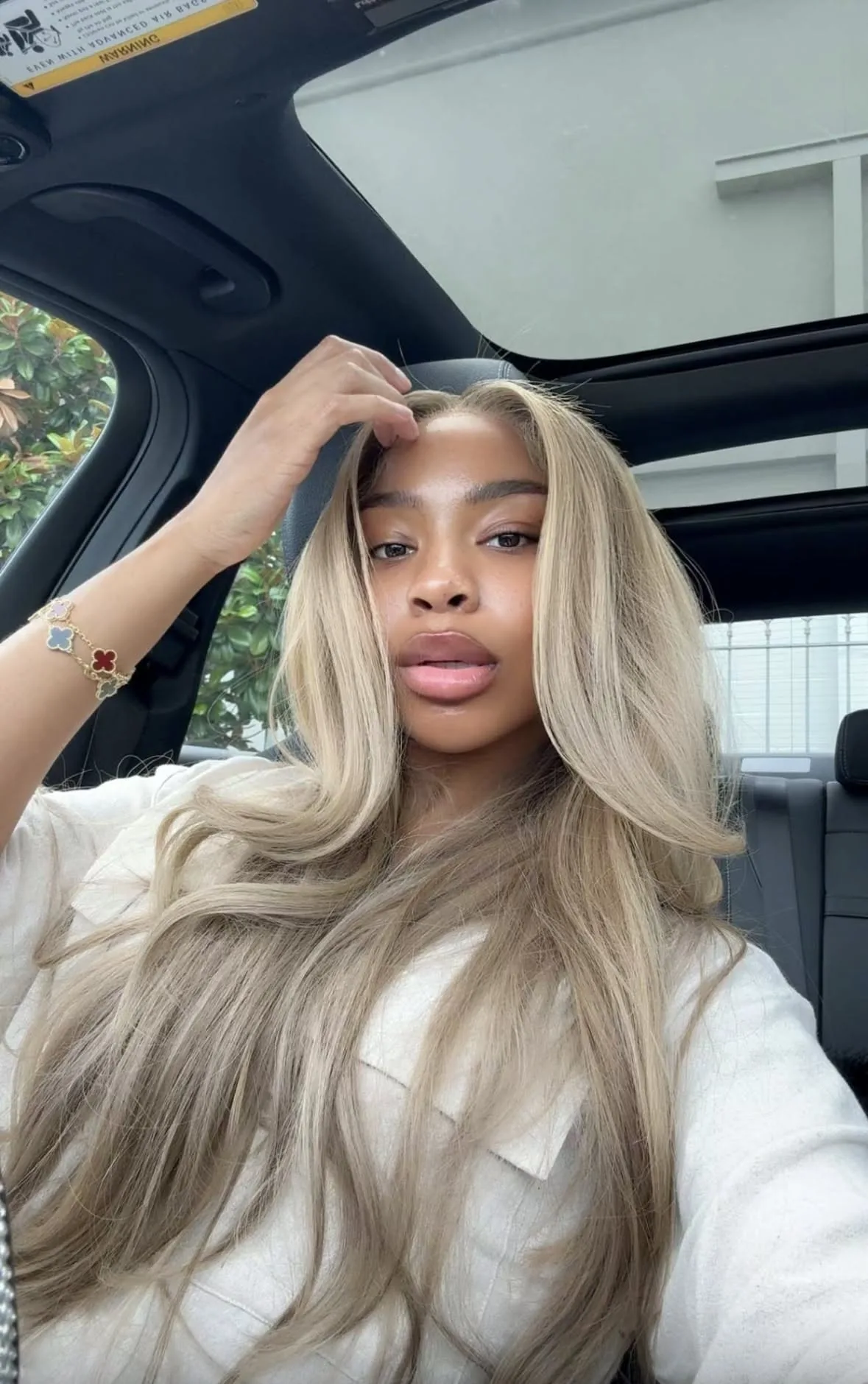
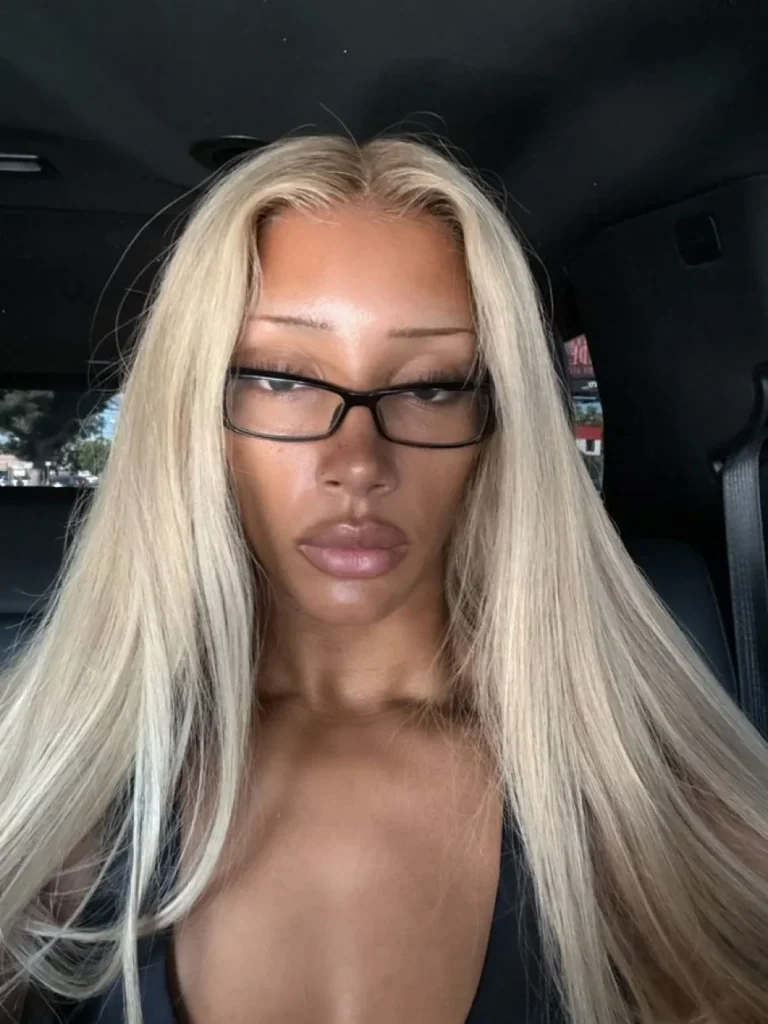
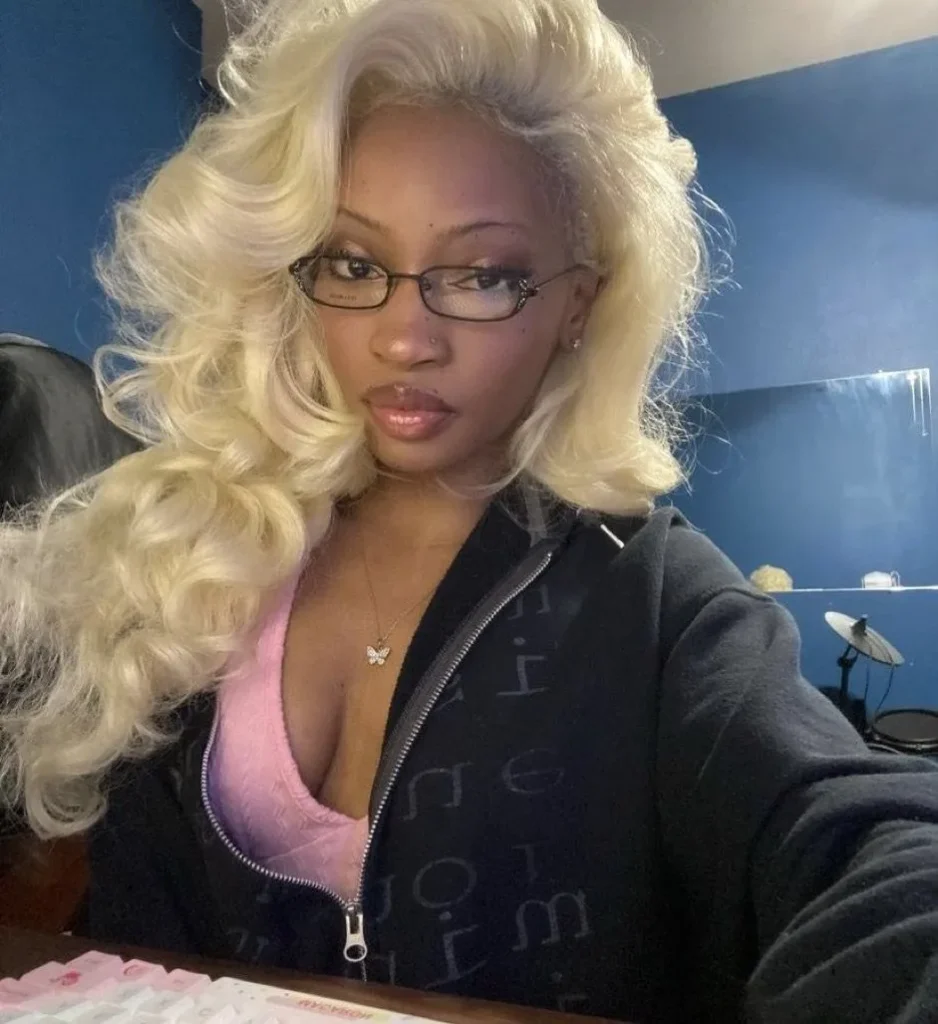
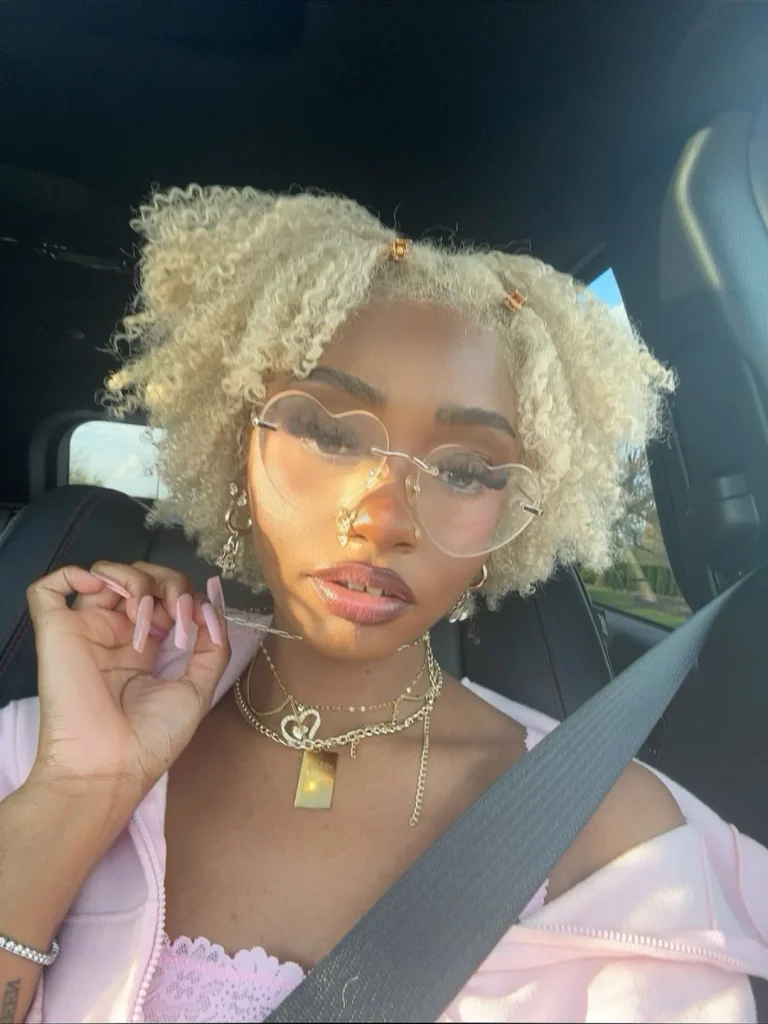
In twenty years behind the chair, I’ve never seen a color transformation turn heads quite like platinum blonde hair on Black women. It’s dramatic, it’s confident, and when it’s done right, it’s absolutely show-stopping against deeper skin tones. I’ve worked with clients in their 40s wanting a fresh reinvention, 50-somethings ready to be bold after years of “safe” color, and 60-plus women who simply refused to let age dictate their style. Platinum blonde isn’t just for twenty-somethings on Instagram — it’s for any woman with the confidence to wear it.
Before we dive in, I want you to save this collection of short platinum blonde hair ideas to your bookmarks — you’ll want to reference it as you talk through options with your colorist. This guide covers everything: the styling techniques that keep platinum looking fresh, the maintenance routine that prevents breakage, color variations that flatter different undertones, and how to choose the right shade and cut for your specific face shape and age. Let’s get into it.

Why Platinum Blonde Works So Beautifully on Black Hair
Platinum blonde creates a striking contrast against deeper skin tones that you simply don’t get with lighter complexions. The visual pop is immediate — it draws the eye, brightens the face, and reads as polished rather than washed out, which is a common worry I hear from clients before their first session. The key is understanding that “platinum” isn’t one shade. It ranges from a stark icy white-blonde to a warmer, buttery platinum, and the right one depends entirely on your skin’s undertone.

Cool undertones (pink or blue undertones in your skin) generally pair beautifully with icy, ash-toned platinum. Warm undertones (golden or peachy undertones) tend to look more natural with a platinum that has a slight champagne or honey lean rather than going stark white. Neutral undertones have the most flexibility and can experiment with either direction. I always tell clients: bring a few reference photos to your consultation, but trust your colorist’s read on your specific undertone over what looked good on someone else.

The Honest Truth About the Bleaching Process
I’m not going to sugarcoat this part: getting to platinum on naturally dark or coily hair is a process, not a single appointment. Most clients need multiple lightening sessions spaced several weeks apart to lift the hair safely without compromising its integrity. Anyone who promises platinum in one sitting on virgin dark hair is either inexperienced or not being upfront with you about the damage risk.

A responsible colorist will assess your hair’s current health, porosity, and previous chemical history (relaxers, perms, prior color) before mapping out a timeline. Bleach lifts the natural pigment in stages, and rushing it is how hair ends up with that telltale gummy, overprocessed texture. Patience here pays off in the final result and in how your hair feels six months down the line.

Color Options Beyond Stark White Platinum
While true platinum is the headline, I love introducing clients to its close cousins, which can be easier to maintain and just as striking. A soft champagne blonde reads as platinum but with slightly less upkeep between toning sessions. If you want warmth without sacrificing brightness, consider transitioning gradually — some of my clients move from all-over brunette hair color into platinum over the course of a year rather than shocking the hair all at once.
For those who aren’t ready to commit fully, dimensional platinum — where the blonde is woven through as highlights rather than an all-over color — is a fantastic middle ground. It softens the high-maintenance factor while still delivering that bright, eye-catching effect. I’ve also had great success blending platinum sections using a technique similar to peekaboo hair color, where pops of platinum show through underlayers for a more subtle reveal.

If platinum ultimately isn’t the right fit after you’ve tried it, or you want a seasonal change, I often guide clients toward richer alternatives like dark auburn hair or a dark strawberry blonde with light auburn tones for a warmer transition that still photographs beautifully.
Styling Techniques That Make Platinum Pop
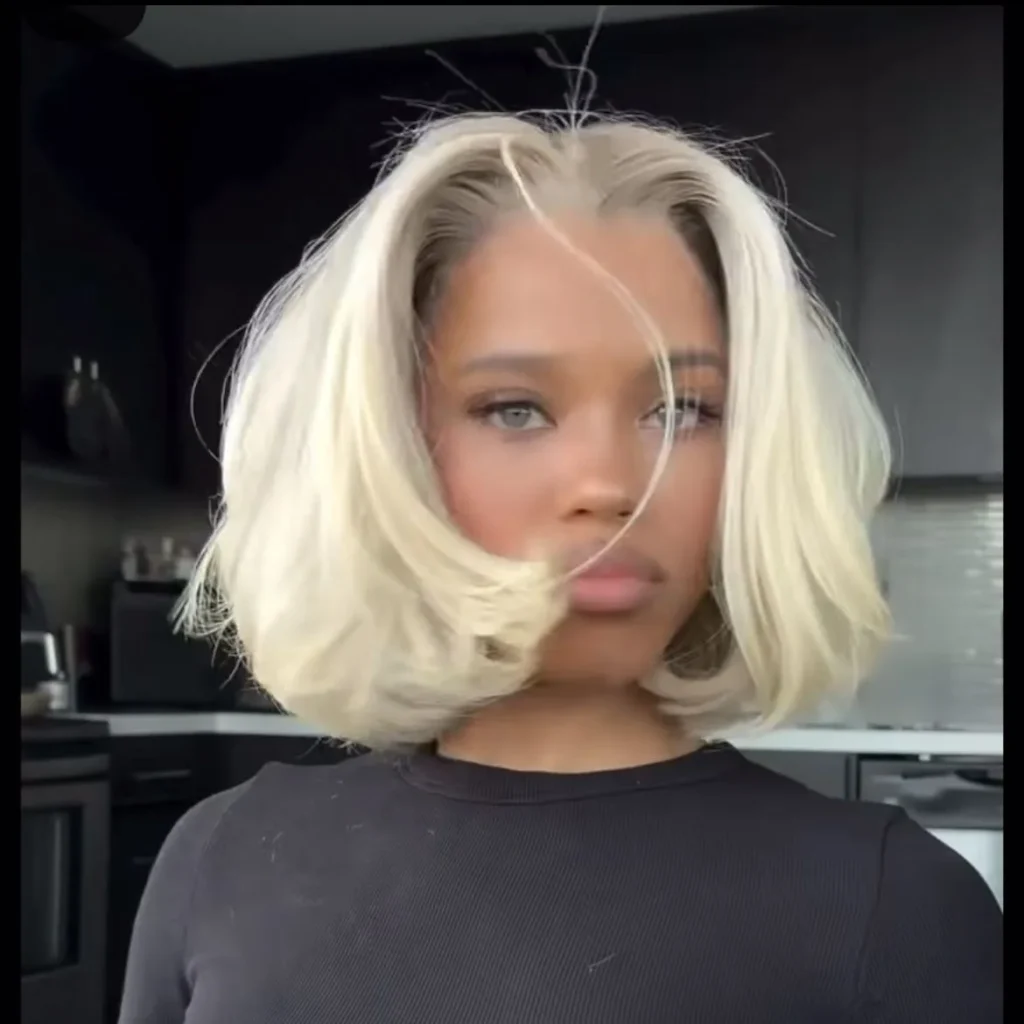
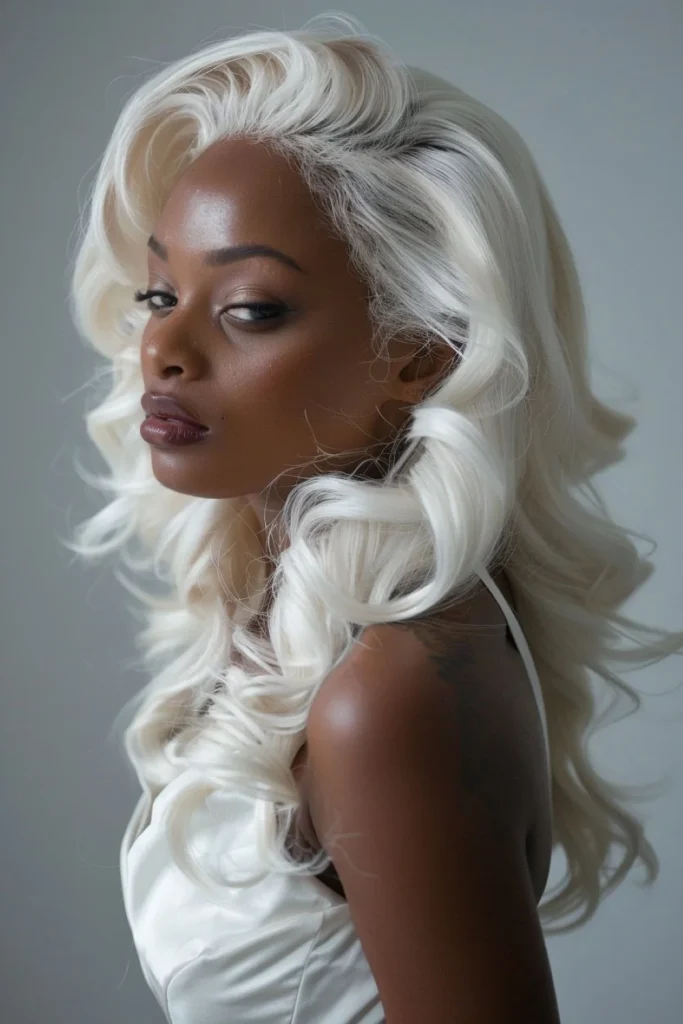
Platinum hair has a unique relationship with light, which means how you style it changes how dramatic or subtle it reads. Sleek, straight styles emphasize the brightness and create a glossy, editorial finish — this works exceptionally well for special occasions or when you want maximum impact. Soft waves, on the other hand, diffuse the light across more surface area and give the color a softer, more lived-in glow.
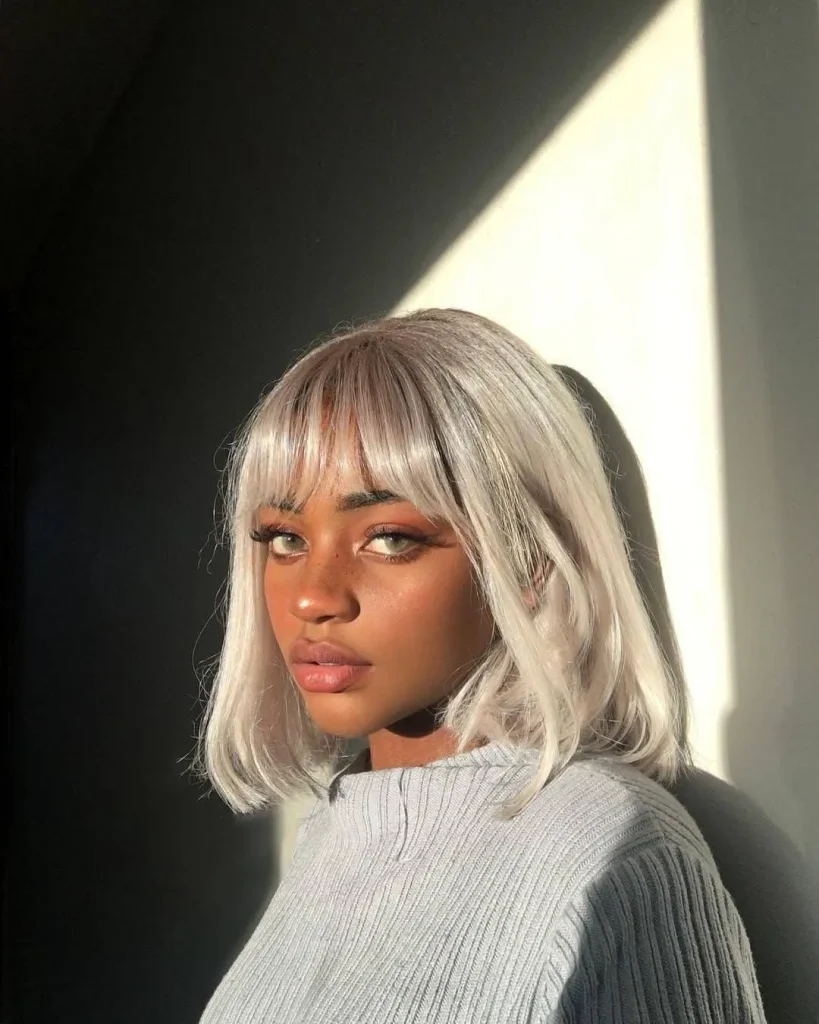
I’m a big believer in seasonal styling too. Around the summer holidays, platinum looks incredible paired with festive, voluminous curls — it’s actually one of my favorite go-to looks for 4th of July hairstyles, since the brightness photographs beautifully outdoors. For everyday wear, a simple half-up style or a low bun keeps the color the star of the show without requiring constant restyling.
One styling note I give every platinum client: invest in a good heat protectant and turn your tools down a notch. Lightened hair is more porous and reacts faster to heat damage, so what used to be your “normal” flat iron setting may now be too aggressive.

Care Tips to Keep Platinum From Turning Brassy or Brittle
This is the section I spend the most time on with new platinum clients, because the color is only half the battle — maintenance is what keeps it looking salon-fresh. Purple or blue-toned shampoo is non-negotiable; use it once or twice weekly to neutralize the yellow and orange tones that naturally creep back in as toner fades.

Deep conditioning treatments should become a weekly ritual, not an occasional treat. Bleached hair loses moisture and protein faster than untreated hair, so a bond-repairing treatment (look for ingredients that rebuild the hair’s internal structure) every few weeks alongside your regular deep conditioner makes a real difference in elasticity and shine.
Trims are also more important on platinum hair than on most other colors. Split ends show up more visibly against bright blonde, and damaged ends tend to look duller and more prone to breakage. I recommend a trim every six to eight weeks, even if you’re growing your hair out — just enough to keep the line healthy.
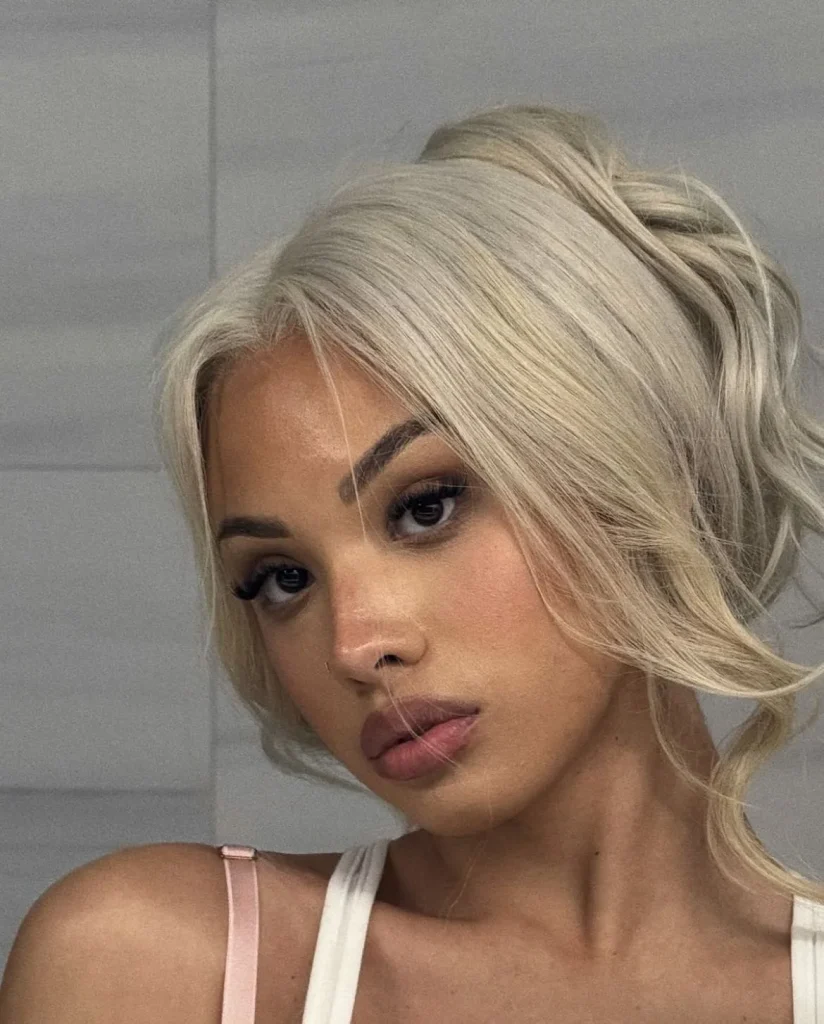
Sleeping on a silk or satin pillowcase, minimizing wash frequency, and using lukewarm rather than hot water in the shower all add up to longer-lasting color and less frizz. None of these are glamorous tips, but they’re the unglamorous habits that separate hair that looks great for three months versus hair that looks great for a year.

Finding the Right Platinum Cut and Style for Your Face Shape
Round faces tend to benefit from cuts with height at the crown and length that extends past the jawline, since this elongates the face visually. A platinum lob or longer layered cut works beautifully here. Square faces look stunning with soft, rounded layers or waves that soften strong jaw angles — platinum’s brightness draws attention upward and outward, away from the jawline.
Oval faces are the most versatile and can wear nearly any platinum style, from a sharp bob to a long, sleek cut. Heart-shaped faces often look gorgeous with platinum styled to add width at the jaw and chin, balancing a wider forehead. If you wear glasses regularly, certain platinum cuts pair more harmoniously with frames than others — I always point clients toward our guide on hairstyles for glasses wearers before finalizing a cut, since the wrong layering can clash with frame shape.


Platinum Blonde for Women in Their 40s
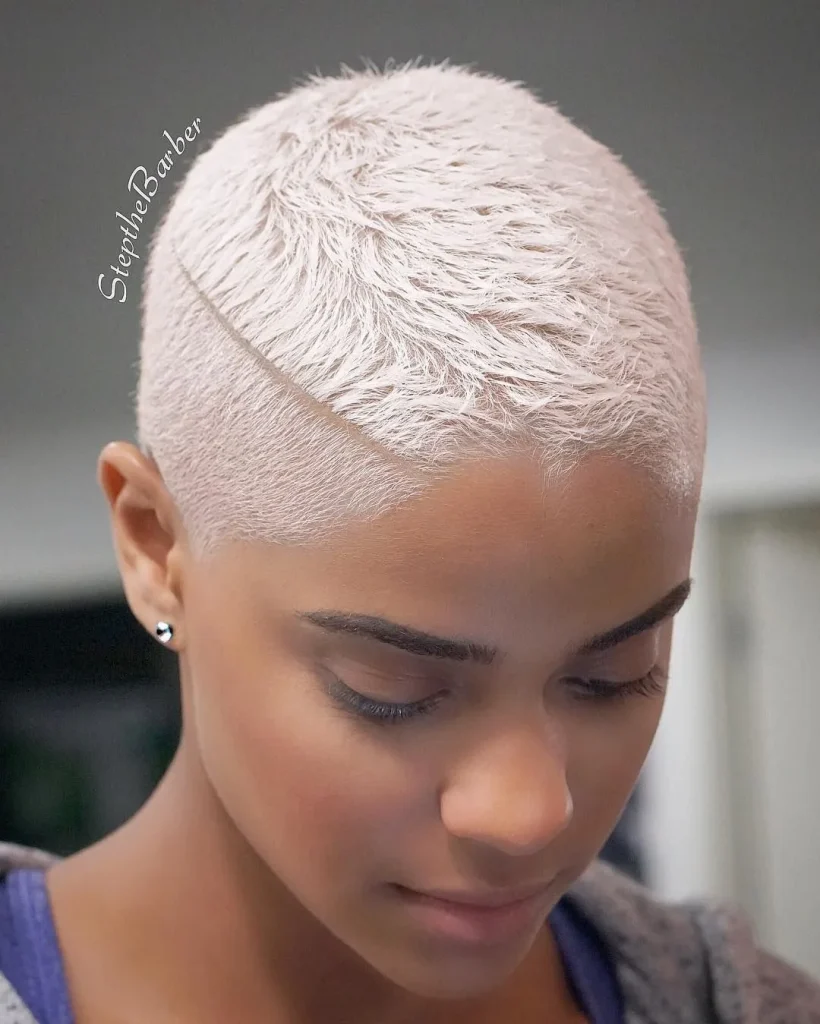
Clients in their 40s often come to me wanting a reinvention moment, and platinum delivers that in a big way. At this stage, I usually recommend a dimensional approach rather than flat, all-over platinum — adding lowlights or keeping a slightly darker root creates depth and feels a touch more sophisticated for daytime and professional settings. Medium-length cuts with movement, like a textured lob or shoulder-length style, tend to be the sweet spot: bold enough to feel like a transformation, polished enough for the boardroom.
If you’re not ready to commit to full platinum but want the dramatic effect, I often suggest a blonde to brunette before and after approach in reverse — starting with strategic platinum highlights against a darker base, then deciding over a few months whether you want to go fuller.
Platinum Blonde for Women in Their 50s
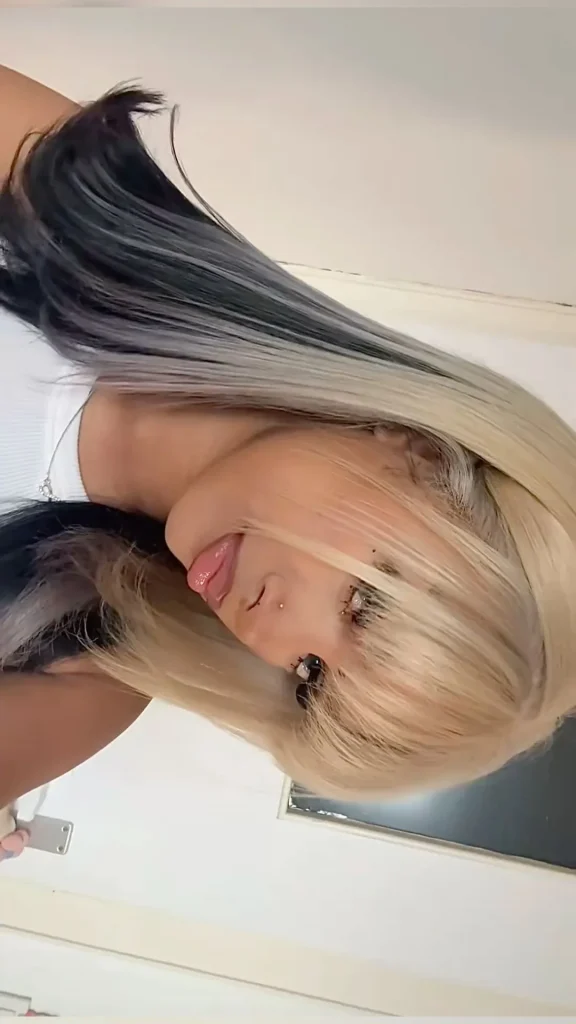
By the 50s, many of my clients have a clearer sense of what they want and are less worried about “matching” a trend — they want platinum because it makes them feel powerful. This is where I get to have the most creative fun. A shoulder-length cut with soft layering frames the face beautifully at this age, and if bangs are part of your routine, our piece on shoulder length hair with bangs over 60 has cut inspiration that translates just as well to your 50s.
I also encourage 50-something clients to pair platinum with a slightly warmer undertone if they’re noticing changes in skin tone or are concerned about washing out — a champagne-leaning platinum tends to be more forgiving here than icy white. It still reads as bold and bright, just with a touch more softness around the face.
Platinum Blonde for Women 60 and Beyond
This is genuinely one of my favorite age groups to work with on platinum, because the confidence in the chair is unmatched. For 60-plus clients, I often recommend shorter cuts that highlight the color’s brightness without requiring as much daily styling time — a sleek pixie reads incredibly chic on platinum, and our roundup of pixie cuts for older women is a great starting point if you’re considering going shorter.
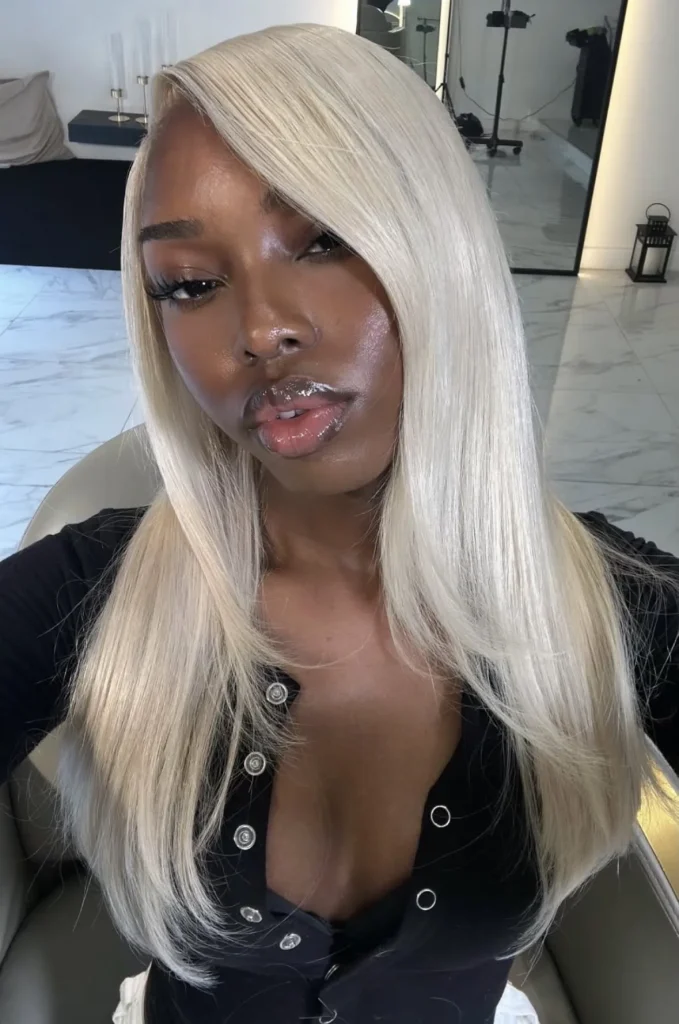
Texture and density naturally shift with age, and platinum can actually work in your favor here — the brightness adds the illusion of fullness, and shorter cuts minimize the appearance of any thinning at the crown. I also recommend gentler, sulfate-free formulas in this age range since hair and scalp tend to need more moisture overall.

Seasonal and Alternative Color Inspiration
Platinum doesn’t have to be a forever commitment, and I love when clients treat hair color as something playful rather than permanent. If you’re craving the drama of platinum but want to explore other directions seasonally, a deep red can be just as striking — I point a lot of clients toward our guide on red hair for women over 40 when they want warmth and intensity instead of brightness.

For those drawn to texture-driven nostalgia, platinum paired with bold, voluminous curls channels a gorgeous retro feel — similar to the volume and movement we cover in our 80s curly hair piece, just updated with a modern platinum base instead of the original era’s typical tones.
I’ve also seen clients pull inspiration from international color trends — the precision and subtlety found in Japan hair color techniques, for instance, has influenced how some colorists approach root shadowing on platinum to keep regrowth looking intentional rather than obviously grown-out.

When Platinum Isn’t the Right Fit
I always tell clients honestly: platinum isn’t for everyone, and that’s okay. If your hair is already compromised from previous chemical processing, or if your lifestyle doesn’t allow for the maintenance commitment, there’s no shame in choosing a different direction. Many clients find just as much satisfaction exploring hair color ideas for brunettes, which offer richness and dimension with a fraction of the upkeep.

The most important thing is that whatever color you choose makes you feel like yourself — confident, polished, and excited to look in the mirror. Platinum is simply one beautiful option among many.
Frequently Asked Questions
How long does it take to reach platinum blonde on natural Black hair?
It varies widely depending on your starting hair color, texture, and previous chemical treatments, but most clients need multiple sessions spaced several weeks apart rather than a single appointment. Rushing the process to save time is the leading cause of breakage and over-processed texture.
Will platinum blonde damage my hair permanently?
Lightening always changes the hair’s internal structure to some degree, but with a proper consultation, gradual lifting, and consistent bond-repairing treatments, most clients maintain healthy, manageable hair. The key is working with an experienced colorist and committing to the maintenance routine.
How often do I need to touch up my roots?
Most clients return every four to six weeks for root touch-ups, though this can stretch slightly longer if you opt for a root-shadow technique that blends regrowth more naturally.
What’s the best way to prevent platinum hair from turning yellow?
Use a purple or blue toning shampoo once or twice weekly, avoid hot water when washing, and limit sun exposure when possible, since UV rays accelerate brassiness. A toning gloss refresh every few weeks at the salon also helps maintain the cool tone between full color appointments.

Is platinum blonde appropriate for women over 50?
Absolutely. Platinum has no age limit, and many of my most confident, striking clients are in their 50s and 60s. A dimensional or softer champagne-leaning platinum tends to feel especially flattering and sophisticated at this stage.
Can I go platinum if my hair is already relaxed or has previous color?
It’s possible, but it requires an honest assessment from your colorist first. Previously processed hair lifts differently and may need a longer timeline with extra reparative treatments built in to protect the hair’s integrity along the way.
Final Thoughts
Platinum blonde hair on Black women is one of the most transformative looks I’ve had the privilege of creating over my career, and age is never a reason to rule it out. Whether you’re 40 and craving reinvention, 50 and finally doing exactly what makes you feel powerful, or 60-plus and proving that boldness only gets better with time, platinum can be shaped, toned, and styled to suit exactly where you are in life. The process takes patience, the maintenance takes commitment, and the payoff is a color that genuinely turns heads.
If this guide inspired you, save it to your Pinterest board so you have it on hand for your next salon consultation — and keep exploring maturehairguide.com for more color, cut, and styling inspiration made specifically for women who refuse to play it safe with their hair.