
There is a particular kind of hair color that seems to light a woman’s face from within without ever shouting for attention. After more than twenty years behind the chair, mixing formulas and watching how different tones settle against real skin, I have come to think of soft autumn hair color as the great equalizer for women over 40. It is warm without tipping into brass, rich without going heavy, and dimensional without the hard stripes that can add years to a face overnight.
Soft autumn is one of the gentle, warm seasons in color analysis, and translated into hair it gives us a palette of honeyed browns, soft coppers, warm beiges, and toasted caramels that look as though they were always meant to be there. If the shades you see here speak to you, bookmark this soft autumn hair color collection so it is easy to come back to when you are ready to book an appointment or talk options with your colorist.
In the guide below, I will explain exactly what makes a color soft autumn, the specific shades worth asking for by name, and how to match them to your skin tone, eye color, and face shape. I will also show how the conversation shifts a little in your 40s, 50s, and 60s, and share the styling and care habits that keep these tones looking expensive long after you leave the salon.
What Exactly Is Soft Autumn Hair Color?
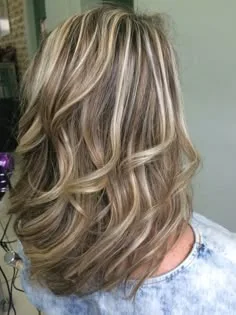


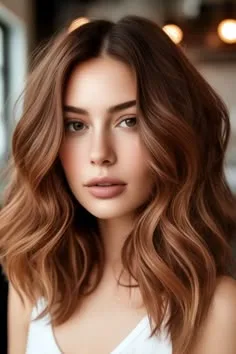

Soft autumn lives at the meeting point of two ideas: soft, meaning low contrast and gently blended, and autumn, meaning warm and earthy. In color analysis, a soft autumn person tends to have a quiet harmony between their hair, skin, and eyes, with no sharp jumps from light to dark. The coloring is warm-leaning but muted, as if someone laid a fine veil of grey over otherwise golden tones.
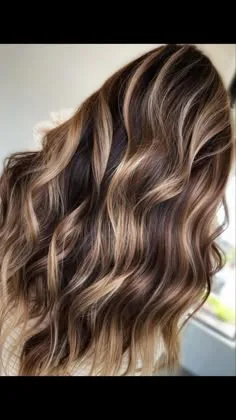
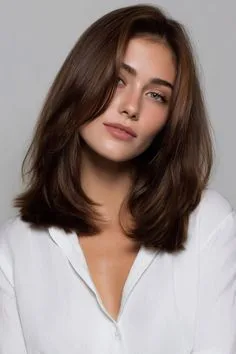
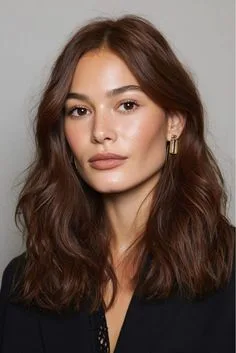
When we move that idea onto hair, the palette reads like a forest floor in late October rather than a bag of bright candy. Think toasted almond, warm taupe-brown, soft amber, and dusty copper instead of jet black, icy platinum, or a vivid box red. Nothing is harsh, nothing is neon, and nothing fights the face. The magic is in the restraint: these colors flatter precisely because they stay a step or two away from full saturation.
It helps to know what soft autumn is not. It is not cool and ashy, the way a true summer or winter palette can be, and it is not bold and clear like a bright autumn. If a shade looks like it belongs on a paint chip labeled espresso or silver platinum, it is probably outside this lane. The sweet spot is warm, blended, and a little understated, which is exactly what makes it so wearable year after year.
Why Soft Autumn Tones Flatter Mature Skin


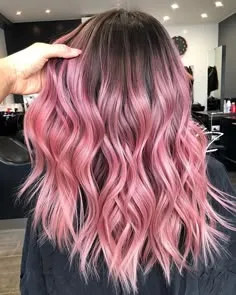
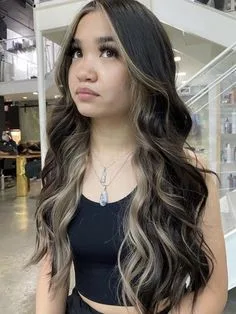

Here is something I tell clients all the time: as we move through our 40s, 50s, and 60s, our skin quietly loses some of its own pigment and warmth. Complexions can drift toward sallow or grey, and the high-contrast colors that looked striking at 25 can start to feel severe. A very dark, cool brown against paler skin throws every line and shadow into sharp relief, which is rarely the goal.
Soft autumn tones do the opposite. Because they are warm, they hand a little glow back to the skin, almost like a flattering lipstick for your whole face. Because they are muted and low in contrast, they blur rather than highlight the texture changes that come with age. The eye reads softness and health instead of hard edges, and the overall effect is rested and lit from within.
These shades also happen to be wonderfully forgiving as grey arrives. Silver and white strands tuck into a warm, muted base far more gracefully than they do into a flat, solid dark color, where every new grey announces itself at the part. That is a big part of why I steer so many of my mature clients toward this family: it works with the changes in your hair rather than against them.
The Soft Autumn Color Palette: Shades Worth Asking For
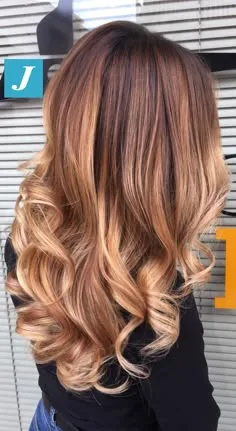


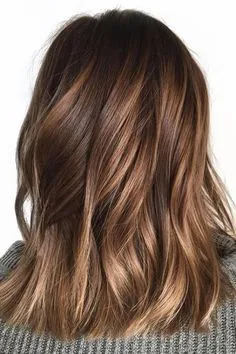
When a client sits in my chair and says she wants something warm but not too much, this is the palette I reach for. None of these shades exist in isolation; the best results usually weave two or three of them together for depth. Here are the soft autumn tones I come back to again and again:
- Warm mushroom brown: a soft, greyed-down brown with a golden heart that is endlessly wearable.
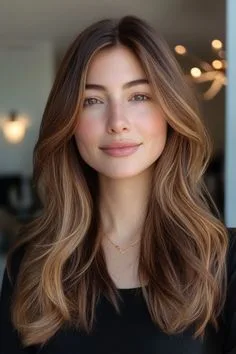
- Honey caramel: buttery, gilded, and beautiful as a face-framing accent.
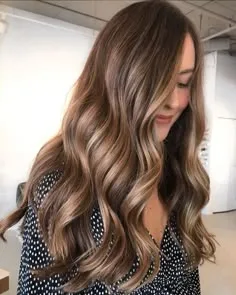
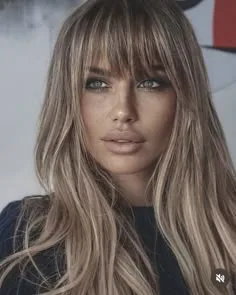
- Toasted bronze and golden bronde: that lovely in-between of brown and blonde, kept warm and muted.
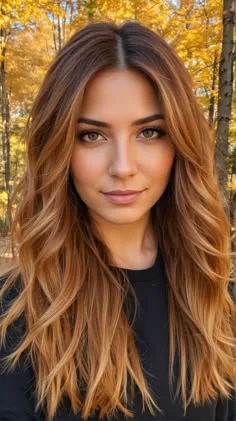
- Soft copper and muted ginger: the gentlest way to flirt with red without going fiery.
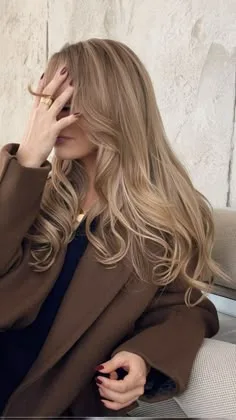
- Warm beige and sandy blonde: a hushed, sun-warmed blonde rather than a cool platinum.
- Warm chestnut and milk chocolate: rich, glossy depth for those with a darker base.
If your natural base sits on the darker side, count yourself lucky, because you have a gorgeous canvas. My deeper soft autumn clients tend to land somewhere in the warm chestnut to milk-chocolate range, and there is no shortage of hair color ideas for brunettes that fit this season perfectly. For the lowest-maintenance route of all, a soft, warm all-over brunette color keeps things simple while still looking expensive in the light.
Soft auburn and dusty copper sit right at the heart of this palette, and they are often the shades that surprise people most. If you have quietly wanted to try something warmer, this is the most wearable way in. I have pulled together more inspiration in this look at red hair for women over 40 that leans soft and lived-in rather than bright and brassy.
Finding Your Best Shade by Skin Tone and Eye Color


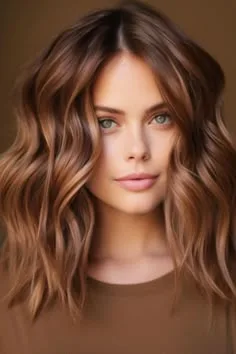

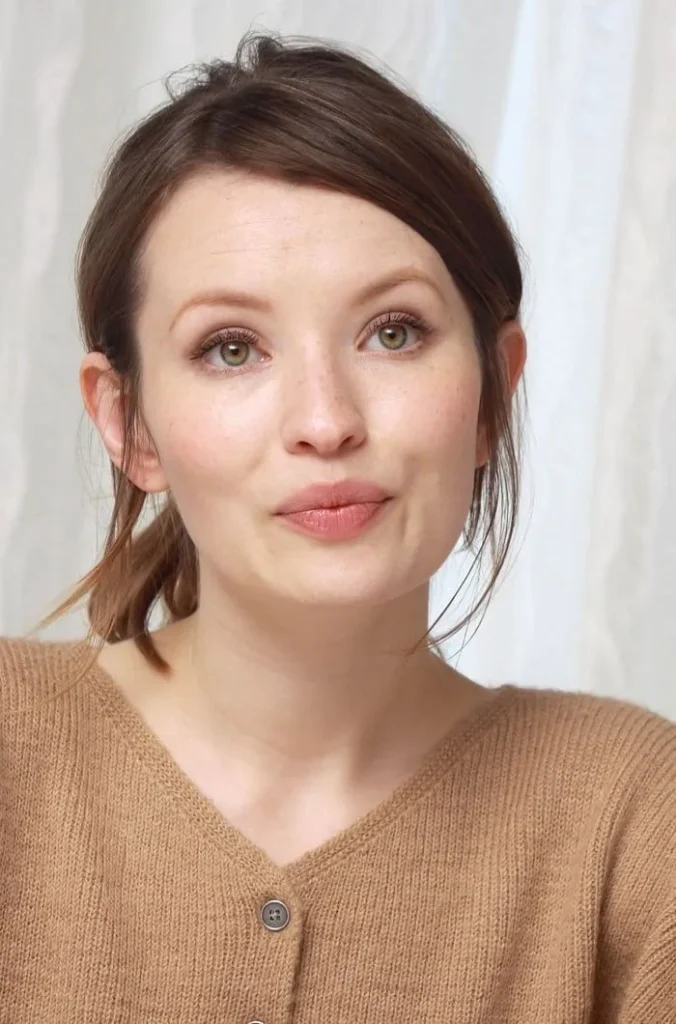
The reason soft autumn color looks so natural on the right person is that it echoes tones they already carry. Soft autumn skin usually has a neutral-to-warm undertone with a soft golden or peachy quality, and the complexion itself often reads a touch muted rather than vivid. If the veins on your inner wrist look more green than blue, and gold jewelry tends to flatter you more than bright silver, those are friendly signs you live in warm territory.
Eye color is another helpful clue. Soft autumn eyes are frequently soft hazel, gentle greyish-green, warm light brown, or a muted, slightly grayed blue. They tend to have a blended quality rather than a crisp, high-contrast ring. When your eyes are soft, hair that is equally soft and warm creates a harmony that is hard to put your finger on but easy to see.
The practical takeaway is to keep your depth and contrast gentle. Choose a color that stays within a few levels of your skin’s depth rather than jumping to an extreme, and resist both jet black and icy platinum, which tend to overpower muted coloring. When in doubt, warmer and softer almost always serves a mature face better than cooler and darker.
Choosing Soft Autumn Color for Your Face Shape


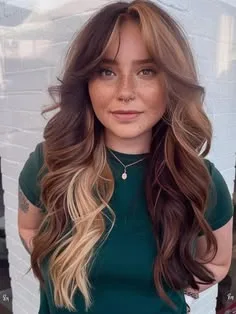

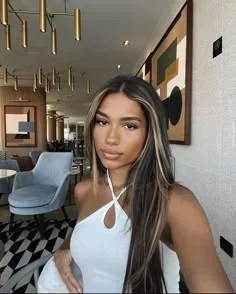
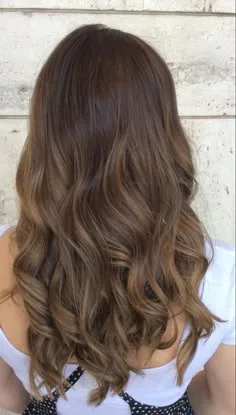
Color is not only about the shade in the bottle; where we place it can quietly reshape how a face reads. Soft, warm dimension is a wonderful tool for this, because it lets us draw the eye exactly where we want it without anything looking obvious. Here is how I think about placement for different face shapes.
For a rounder face, I like a touch more depth at the root and around the face, with softly lightened mid-lengths and ends to create a gentle vertical lift that lengthens and slims. If that is your shape, you will find more cut-and-style ideas in this guide to hairstyles over 40 for women with a round face, which pairs beautifully with this kind of color work.
An oval face is the lucky all-rounder and can carry almost any placement, so it becomes a question of personal taste. A square face softens beautifully with warm, face-framing pieces and a blended root rather than hard contrast at the jawline. A heart-shaped face, wider at the forehead and narrower at the chin, looks lovely with a little extra warmth and weight carried toward the jaw to balance the proportions. And a longer, oblong face benefits from soft horizontal interest, such as a gentle money-piece and waves, rather than anything that emphasizes length.
Soft Autumn Hair Color in Your 40s, 50s, and 60s
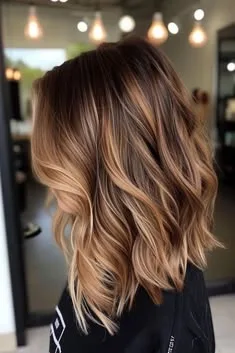


While the palette stays the same across the decades, the strategy behind it shifts in lovely, practical ways. I want to speak to each stage, because the questions I hear change with every ten years.
In your 40s, soft autumn color is often about easing into change. This is when many women spot their first scattered greys and start thinking about lower-maintenance options. Hand-painted balayage in warm, muted tones is ideal here, because it grows out softly with no harsh regrowth line, letting you stretch the time between salon visits while keeping that healthy warmth.
In your 50s, the conversation usually turns to dimension and grace. With a little more grey in the mix, a warm root shadow and dimensional lowlights keep the color looking lived-in and three-dimensional rather than flat. A gloss every several weeks revives the warmth, and many clients find this the decade where they finally stop fighting their hair and start working with it.
In your 60s and beyond, soft autumn tones are a gift, because warm, muted color blends so beautifully with silver and salt-and-pepper, and dimension creates the impression of fullness on hair that may be finer than it once was. Many of my clients at this stage have embraced a chic crop, and these pixie cuts for older women show how richly soft autumn tones read on a shorter style. For those keeping a bit more length, a soft, layered shoulder-length cut with bangs over 60 frames the face wonderfully and gives dimensional color room to shine.
Color Placement Techniques: Balayage, Babylights, and Peekaboo


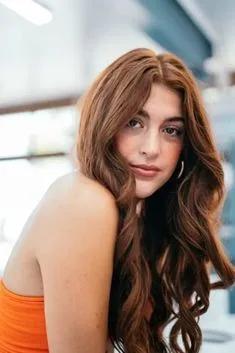
How we apply color matters as much as the shade itself, and a few techniques suit soft autumn especially well. Each one builds that gentle, blended dimension the season is known for.
Balayage, the hand-painted method, is my desert-island technique for this palette. It creates a sun-grown softness with no hard lines, which means kinder regrowth and a more natural result. Babylights, which are very fine, delicate highlights, add a whisper of sun-kissed brightness without lifting the whole head, while a root shadow or root melt blends your base into the lengths and helps grey disappear into the design rather than stand out.
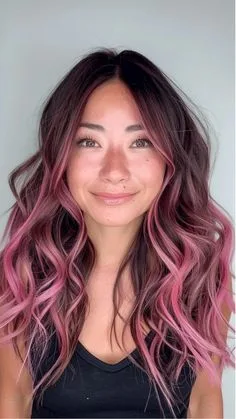
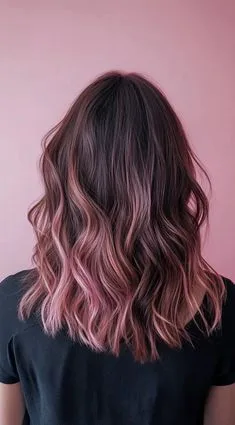
If you want a little secret warmth, a peekaboo placement is a playful, low-commitment option that tucks brighter tones underneath the top layer. These peekaboo hair color ideas show how you can hide soft copper or honey caramel beneath a warmer brown and reveal it only when you move.
I also see many clients who have spent years going lighter and lighter and now want to come home to a warm, muted brown. That journey is worth planning with a professional so it stays glossy rather than flat, and this blonde to brunette before and after shows just how soft and natural the transition can look when it is done with dimension in mind.
For inspiration on finish, I am a longtime admirer of the soft, glossy dimension coming out of Japanese salons. This look at Japan hair color techniques captures the gentle, low-contrast, glass-like shine that suits soft autumn beautifully and translates wonderfully to mature hair.
Styling Techniques to Show Off Soft Autumn Dimension

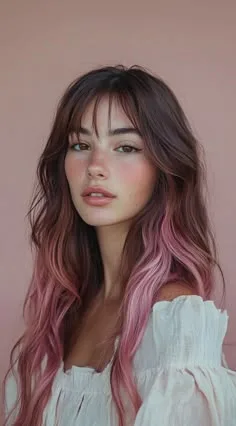
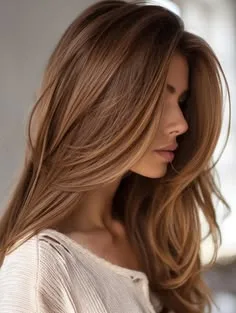

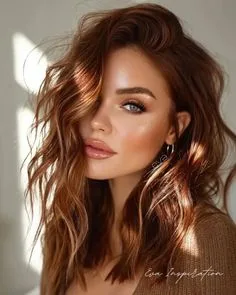
Great color deserves styling that lets it breathe. Because soft autumn shades are all about subtle, woven dimension, the styles that flatter them most are the ones that catch and bend light. You do not need anything elaborate; you need movement and shine.
Soft, loose waves and gentle bends are the most reliable way to show off this kind of color, because every curve creates a new highlight and shadow that reveals the warmth you have layered in. A loose curl or a relaxed blow-out does the same. Polished, sleek styles look beautiful too, especially when the color has high shine, but a little texture almost always makes dimensional color sing.
Updos are a secret weapon, since lifting the hair reveals the warmer tones tucked underneath. For a summer celebration or a relaxed gathering, an effortless updo lets that hidden warmth peek through, and these 4th of July hairstyles offer easy, festive ideas that work for any warm-weather occasion.
And if you love changing up your texture and volume without a long-term commitment, there are fun options to play with. A curly flip-over quick weave, for instance, adds bounce and movement while letting you see how warm, dimensional color reads with extra texture, which is a low-stakes way to experiment before you commit to anything permanent.
Caring for Soft Autumn Color: Keeping It Rich and Glossy



Warm, muted color is some of the most rewarding to wear and some of the easiest to dull if you are not a little intentional about care. The good news is that the habits that protect it are simple, and they protect the health of your hair at the same time.
- Wash less, and cooler: every wash gently lifts color, so stretching the days between shampoos and rinsing in cool rather than hot water keeps tones richer for longer.
- Choose color-safe, sulfate-free formulas: harsh cleansers strip warmth quickly, while gentle, color-protecting products preserve it.
- Go easy on purple and blue toning shampoos: they are designed to cancel warmth, so for soft autumn they should be used sparingly, if at all, and only to tame genuine brassiness.
- Book a gloss every four to six weeks: a clear or warm gloss is the single best way to revive shine and refresh tone between full color services.
- Protect from heat and sun: always use a heat protectant before styling, and shield your hair from strong sun, which fades warm tones toward brass.
- Feed the hair moisture: a weekly mask or bond-building treatment keeps strands healthy, and healthy hair simply holds color and reflects light better.
A regular dusting of the ends helps too. Fresh ends look healthier and let dimensional color read cleanly, where dry, split ends can make even a beautiful shade look tired. Small, consistent care beats any single dramatic treatment, and it is the quiet secret behind hair that always looks freshly done.
Salon or At Home: Getting Soft Autumn Right

I will always be honest about this: muted, dimensional color is one of the harder things to achieve from a box at home. The whole point of soft autumn is nuance, a warm tone that stays just shy of brassy, woven through hair with believable dimension, and that nuance is exactly what mass-market color tends to flatten or overshoot. Many at-home reds turn fiery, many browns turn flat and cool, and recovering from either can take time.
If your heart is set on a true soft autumn transformation, especially one with balayage or grey blending, a colorist is worth every penny, and bringing two or three reference photos makes a world of difference in getting your vision across. If you do color at home between visits, set yourself up to succeed: choose warm, muted shades rather than cool or ultra-bright ones, always do a strand test first, and lean on a gloss to refresh tone rather than reaching for permanent color every time. Refreshing is far gentler than re-dyeing, and your hair will thank you.
Frequently Asked Questions
What is soft autumn hair color, exactly?
It is a family of warm, muted, low-contrast shades drawn from the soft autumn color season, colors like honey caramel, warm mushroom brown, soft copper, and golden bronde. The defining traits are warmth that never tips into brass and softness that keeps everything gently blended rather than high-contrast.
Is soft autumn hair color a good choice for grey or silver hair?
It is one of the best, in my experience. Warm, muted tones let silver and white strands blend into the base far more gracefully than a flat, solid dark color does, where every new grey shows at the part. Many women use soft autumn shades as a beautiful bridge while transitioning toward fully embracing their natural silver.
Will warm tones make my hair look brassy?
Not when they are chosen and cared for well. Brassiness usually comes from warmth that is too intense, or from sun and harsh shampoos pulling a color off-tone over time. Staying in the muted soft autumn lane, using color-safe products, and booking a gloss every few weeks keeps warmth looking intentional and rich rather than brassy.
How much maintenance does soft autumn color need?
Less than most, which is part of its appeal. Because the tones are soft and grow out gently, particularly with balayage, many women comfortably stretch six to ten weeks between salon visits, with a gloss in between to keep things fresh. The exact timing depends on how much lift and grey coverage you want.
Can I wear soft autumn color if my hair is naturally very dark or very light?
Yes, with the right approach. If you are naturally very dark, lean into the deeper end of the palette, such as warm chestnut and milk chocolate, and add soft dimension rather than heavy lightening. If you are very light, choose warm beige and sandy tones over cool platinum. The goal is always to keep things warm and low in contrast for your coloring.
What is the most low-maintenance soft autumn option?
A soft, warm all-over brunette or a balayage in muted tones is usually the most forgiving route. Both grow out softly and disguise regrowth well, so you get that lit-from-within warmth without frequent touch-ups. Pair either with a periodic gloss and gentle care, and you have rich color that mostly takes care of itself.
Bringing Your Soft Autumn Look to Life
If there is one thing I hope you take from all of this, it is that soft autumn hair color is less about a single shade and more about a feeling: warm, gentle, lived-in, and quietly flattering. It is a palette that gives back to mature skin instead of competing with it, that welcomes grey rather than battling it, and that looks effortlessly expensive with very little fuss. Whether you go for a whisper of honey caramel through a warm brown or a soft copper that finally lets you try red, you really cannot make a wrong choice within this family.
When you find the looks that make you stop and smile, pin them to your hair inspiration board on Pinterest so they are ready to share with your stylist at your next appointment. And whenever you want more color ideas created with women over 40, 50, and 60 in mind, you will find plenty more waiting for you at maturehairguide.com.